What is Surgical Steel? Must-Know Material for Jewelry Brand
ByPerry Xu
Nowadays, Surgical steel is a renowned metal to be used in jewelry production. You have heard about it; however, you might be wondering: What is surgical steel? If so, then this guide is just for you. Surgical steel isn’t a new kind of metal discovered; basically, it’s a type of stainless steel.
But the difference here is that it is made hypoallergenic by reducing the carbon content. Thus, it would prevent the nickel metal from coming in contact with the skin and make the jewelry safe for the skin. So, keep reading this blog; there is much more to know about surgical steel, so you can make an informed decision regarding your jewelry business.
Contents
What Is Surgical Steel?
Surgical steel is actually an iron-based metal alloy that, in combination with iron, also contains chromium ( 20-22%), molybdenum (3%), nickel ( 10-12% ), and very low carbon content around 0.03%.
Thus, owing to the above composition, it is considered a refined form of stainless steel. You know it was basically designed for use in medical equipment, which requires safety from infections and also durability. So, yes, that’s the reason that it’s renowned to us as surgical steel.
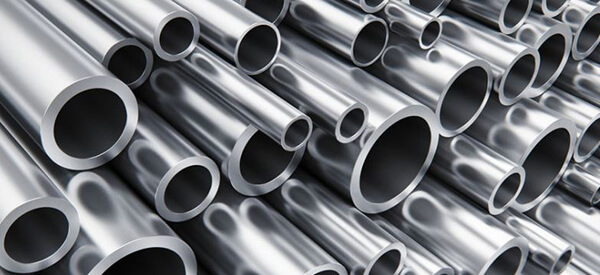
Source: rocheindustry
Let me clarify one thing here is that its use isn’t limited to the medical field, but owing to its durability, corrosion resistance, and skin safety, they are also used in everyday jewelry.
Let’s have a quick look at its pros and cons for better understanding!
| Pros | Cons |
| High durabilityLow maintenanceCorrosion-resistanceAppealing modern lookAffordable for bulk production | Difficult to engrave A little heavier than other materials |
Grades of Surgical Steel used for Jewelry
Next, you know this type of stainless steel jewelry steel exists in many forms, each having its own unique features. So, you must be aware of all of its grades so you can choose the one that best matches your needs. Let’s dive deeper and understand each type deeply!
316L vs 316LVM surgical stainless steel
316L and 316LVM are the most famous types of surgical steel used for jewelry. Here, you might be confused about their name, right? Well! Let me clarify that 316 is actually a name given to the alloy on the basis of the American Iron and Steel Institute (AISI) classification.
Similarly, the L letter after 316 actually shows that it contains low carbon content. You know that low carbon content is actually responsible for making jewelry safe for the skin. Otherwise, the nickel present in may leach out and cause skin irritation.
However, this low carbon doesn’t interfere with chromium, which actually creates the CrO protective layer to lock the nickel content in it. Hence, even with the presence of nickel, the metal remains skin safe.
But keep in mind that 316LVM involves a vacuum-melting process that removes many impurities, thus making it a preferred and safer option compared to 316L.
| Composition | Key features | Jewelry uses | |
| 316L | Fe (balance), Cr: 16–18%, Ni: 10–14%, Mo: 2–3%, C ≤0.03% | Hypoallergenic for most people, highly resistant to tarnish and rust, durable, and affordable. | Earrings, necklaces, rings, body jewelry (belly, nose, lip, eyebrow) |
| 316LVM | Same as 316L but vacuum melted for purity | Extra hypoallergenic, smoother finish, fewer impurities, preferred for sensitive skin. | Premium body jewelry, implants, and high-end piercings |
Why is surgical steel a practical choice for a Jewelry line?
Now, it’s come to the main section where you will get to know the features of surgical steel that make it a preferred choice for jewelry businesses. So, let’s get started!
Corrosion Resistance
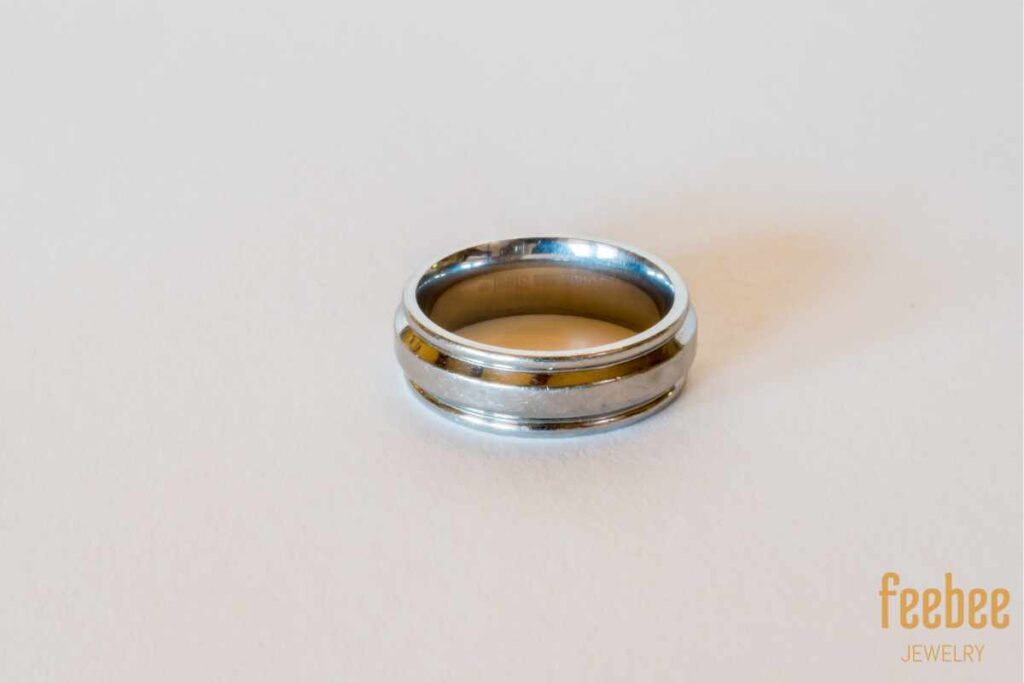
First of all, surgical steel contains chromium metal, which gives it a benefit in the form of making it resistant to stains or corrosion. This is because chromium metal actually has the ability that when it gets exposed to air or water, it undergoes oxidation and forms a protective CrO layer.
Thus, owing to this chromium oxide shield, you can wear surgical-grade stainless steel jewelry in everyday use, even in humid climates.
Hypoallergenic (Skin-Friendly)
Next, keep in mind that the metal alloy containing nickel isn’t considered safe for skin. Now you might be confused that surgical steel also contains 8-10% nickel, so is surgical steel hypoallergenic? Well, although it contains nickel but it wouldn’t be able to leach out to get in contact with your skin, that’s amazing, right?
Let me explain this: as mentioned earlier, surgical steel contains very low carbon content, around just 0.03%. Thus, this low carbon doesn’t interfere with the CrO protective layers, which actually resist the nickel from leaching out.
Keep in mind that if the carbon content were higher, like in other stainless steel types, then actually this C would react with chromium, forming chromium carbide precipitates instead of a protective CrO layer.
Strength and Scratch Resistance
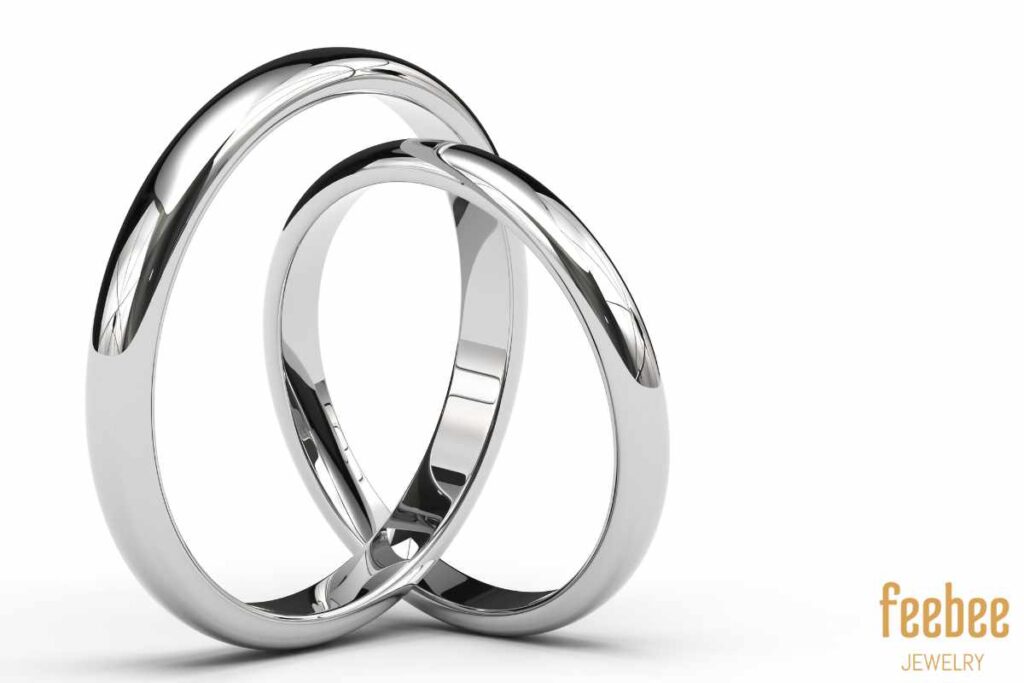
Furthermore, surgical steel has a strong metallic structure by combining iron with chromium, nickel, and molybdenum. These metals make surgical steel highly durable (with tensile strength of 485–620 MPa), even then silver or gold, thus it doesn’t bend easily.
Aesthetic Appeal
You know, the chromium oxide protective layer not only gives surgical steel tarnish resistance but also gives it a bright, shiny look. Also, because of its hardness, you can easily polish its surface, giving it a mirror-like shine.
Affordability in bulk orders
Last but not least, surgical steel is made up of raw materials like iron, molybdenum, chromium nickel. etc which all are widely available. Hence, the availability of raw materials makes surgical steel a very cheap metal alloy. Furthermore, the plus point is that its corrosion resistance eliminates the need for protective plating. Thus, making it overall a much affordable option.
How Surgical Steel Supports Scalable Jewelry Production?
Next, the point to note is that surgical steel is considered best for large-scale jewelry production. For instance;
Material Uniformity and Consistency: As you know that surgical steel is very hard and durable, thus it can easily undergo CNC machining, stamping, or laser cutting. You know such processes are renowned for providing precise results. Thus, it’s best for brands that want a bulk of the same designs to maintain their reputations and customer satisfaction.
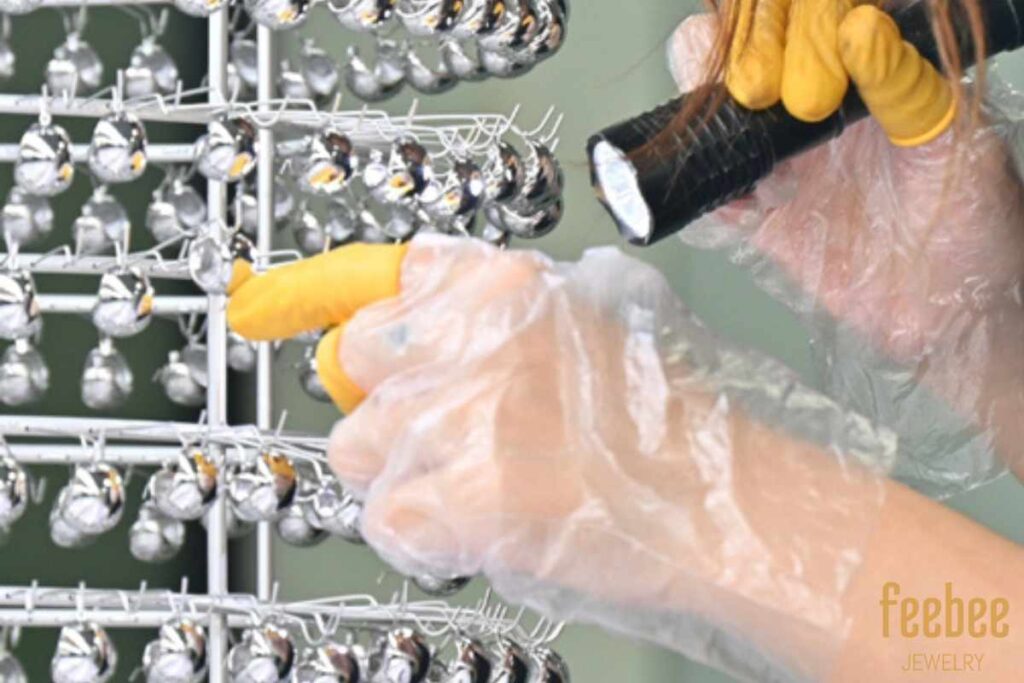
Compatibility with Automation: Furthermore, in this modern era, where technology is used for making everything, including jewelry. Surgical steel’s hardness makes it best for automating casting, polishing, or finishing systems.
Lower Production Waste: Moreover, its scratch-resistance property also gives it the benefit that while handling it, there would be less material wastage. Hence, it increases production efficiency and cuts down the costs too.
Surgical Steel vs. Other Metals: A Practical Comparison for Jewelry Manufacturing
| Surgical Steel | Sterling Silver | Titanium | Brass | |
| Durability | Strong, scratch-resistant | Softer, dents easily | Very strong, lightweight | Soft, less durable |
| Tarnish Resistance | No tarnish | Tarnishes quickly | No tarnish | Tarnishes, patina forms |
| Maintenance | Rinse + wipe; rare polishing | Regular polishing; anti-tarnish storage | Wash only; ultra-low upkeep | Frequent cleaning/polishing; lacquer optional |
| Skin Safety | Hypoallergenic | Usually safe | Ultra-hypoallergenic | May irritate skin |
| Visual Appeal | Modern silver-gray | Bright classic shine | Sleek, modern | Warm golden tone |
| Cost | Affordable | Moderate | Higher | Cheapest |
| Best use cases | Body jewelry, daily wear | Fashion/elegant pieces | Premium, medical-grade, high-end | Costume/statement jewelry |
FAQs
Is surgical steel jewelry good?
Absolutely yes, surgical steel jewelry is most people’s favorite choice because they get corrosion resistance, durability, and even comfort at an affordable price.
Can I wear surgical steel every day?
Of course, because of the presence of chromium metal, they form a protective layer even when exposed to air or moisture. Thus, this layer protects it from corrosion and maintains its shine. Hence, making it best for everyday use.
Is surgical steel good for skin?
Definitely Yes, surgical steel is a skin-safe option. This is because of its low carbon content, aiding in locking the nickel content in the structure, hence preventing it from causing any skin irritation.
Conclusion
So, hopefully this guide has better guide you about the most frequently asked question: what is surgical steel? In short, you can say that its durability, hypoallergenic, and scratch resistance properties make it even better for everyday use jewelry.
So, if you want to buy stainless steel jewelry in bulk for your business, then look no further than Feebee Jewelry. We are China’s best custom stainless steel jewelry manufacturer with decades of experience. So, get in touch with us today!

Perry Xu