Disadvantages of Stainless Steel Jewelry: What a Manufacturer Has to Say
Understand the pros and cons of stainless steel jewelry, including resizing issues, skin sensitivity, and why it may lack the value of precious metals.
ByPerry Xu
With its durability and cost-effectiveness, stainless steel has become one of the fastest-growing materials in the fashion jewelry market. More manufacturers—including our own industry partners—are using stainless steel to develop bold, creative collections. Still, no material is perfect, and stainless steel has its own set of limitations that every buyer should be aware of.
Based on Feebee Jewelry experience on manufacturing, this balanced overview of the advantages and drawbacks of stainless steel jewelry will help you determine whether it’s the right choice for your product line and long-term business strategy.
Contents
Stainless Steel Jewelry Overview
Features and Appeal
Why do people like stainless steel jewelry? Here are some reasons:
It does not rust, even at the beach or in rain.
It is strong, so it does not bend or break easily.
It is good for people with sensitive skin.
You only need soap and water to clean it.
It stays shiny and does not fade or tarnish.
You get all these good things without spending much money. Stainless steel jewelry gives you style and strength for a low price.
Why are stainless steel jewelry trends sweeping the jewelry world?
Stainless steel is becoming a top choice in the jewelry market thanks to its durability, resistance to wear, and low maintenance. Its strength helps reduce returns, while its affordability allows brands to offer designs that look as premium as platinum or white gold. Modern finishing techniques even create vibrant colors that appeal to younger buyers, and its hypoallergenic grades make it ideal for sensitive skin.
However, the material’s hardness can slow production and limit highly detailed designs. Even so, stainless steel remains a practical and reliable option for brands seeking a balance of style, performance, and value.
If you’re considering adding stainless steel to your line, our guide explains why so many jewelry brands are making the switch.
Pros and Disadvantages of Stainless Steel Jewelry
Advantages
Stainless steel has become a strong alternative thanks to its many advantages. Its appealing look, long-lasting durability, and accessible price point continue to attract customers and strengthen retail sales. Here’s a closer look at why stainless steel stands out in today’s jewelry market:
Stainless steel is robust enough to resist daily wear and tear, unlike weaker metals that could scratch, discolor, or bend
It costs much less than gold or platinum, so you can buy more pieces without breaking the bank.
You can shower or swim with stainless steel jewelry
Stainless steel is a sustainable choice. You help the planet by picking jewelry that is almost 100% recyclable.
Those with delicate skin or metal will would find excellent choices in stainless steel jewelry.
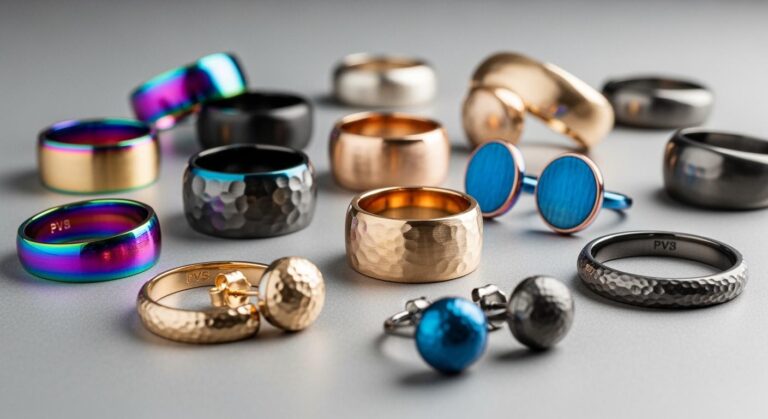
Available in multiple colors; Original steel hue, gold, black, and gray stand out as the most sought-after finishes.
Disadvantages
Of course, the pros and cons of stainless steel jewelry include some drawbacks. You might notice that it is not a precious metal, so it doesn’t have the same value as gold or silver. This can change how you feel about your jewelry.
Stainless steel is not a precious metal, so it usually has a lower resale value.
Some people with very sensitive skin might still feel irritation, especially if they react to nickel. While most can wear it without problems, a few might need to look for other options.
You may find it hard to resize or repair. The metal is so tough that jewelers need special tools to adjust rings or bracelets.
Stainless steel jewelry can show smudges and fingerprints, so you might need to clean it more often.
The designs can be less detailed. Because the metal is hard, it is tricky to make very fine or delicate patterns.
Tip: If you want jewelry that holds its value or has a luxury feel, you might want to look at gold or silver instead.
Design and Customization Limits
Intricate Designs
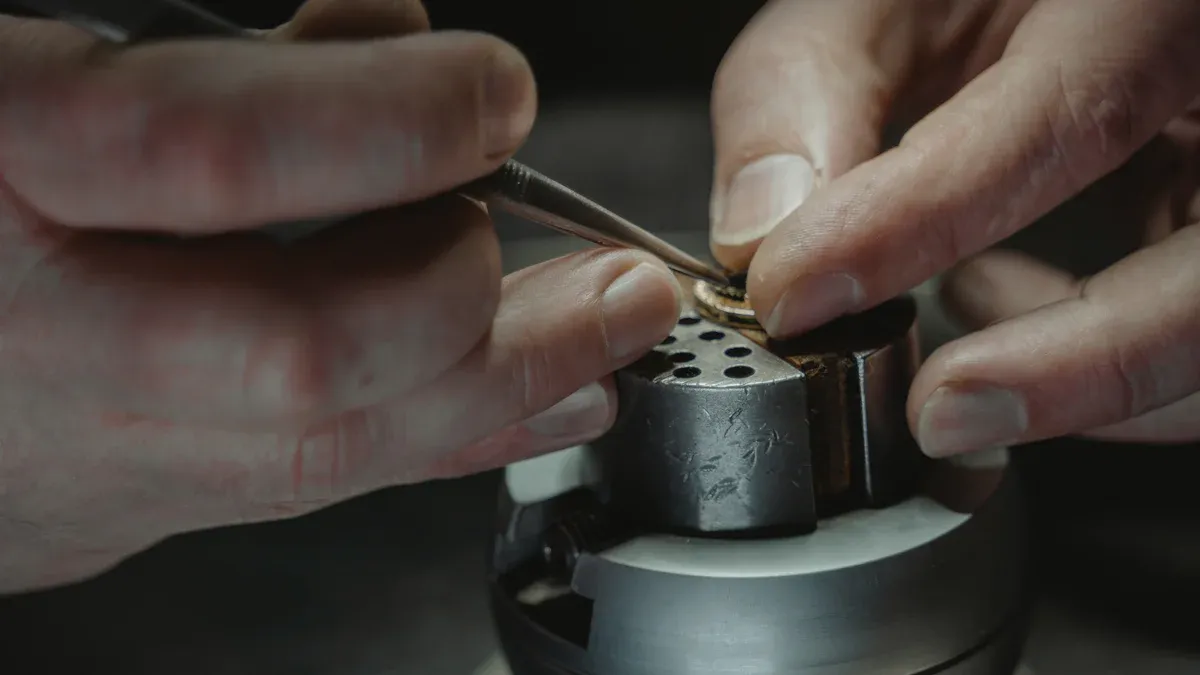
Maybe you like jewelry with small details and cool patterns. Stainless steel jewelry looks smooth and modern. But making tiny designs with this metal is hard. Stainless steel is very tough, so jewelers have trouble shaping it. Most jewelers use special machines like CNC cutters or laser welders. These machines help make exact cuts. But they also make the work harder and cost more money.
These challenges can add at least 1–3 weeks to the production timeline compared with softer metals like brass or silver. For jewelers, this means planning ahead to ensure new collections are released on schedule.
Regular jewelry tools do not work well on stainless steel.
You need high heat to solder it, which makes things harder.
Some types, like 304L, need special skills that small shops may not have.
If you look at stainless steel and compare it to gold or silver, you will see big differences in what can be made. Here is a table to show you:
Material | Strength | Malleability | Aesthetics | Durability |
|---|---|---|---|---|
Stainless Steel | High | Low | Modern, sleek look | Excellent, tarnish-resistant |
Gold | Medium | High | Classic, various colors | Varies with karat, softer at higher karats |
Silver (Sterling) | Medium | High | Classic elegance | Needs cleaning to stop tarnishing |
Gold and silver are softer and easier to shape into fancy patterns. Stainless steel is strong and does not rust, but it is hard to polish again if you want to change how it looks. You might see fewer styles because of these limits.
Resizing Challenges
Have you ever wanted to make a ring or bracelet fit better? Stainless steel jewelry is hard to resize. The metal is so strong that cutting it is not easy. Jewelers need special tools to change the size. If your jewelry has small details or stones, resizing is even harder.
Cutting stainless steel takes more time and effort.
You need special machines to resize it.
There is a chance of damage, especially with eternity bands or inlay rings.
Stainless steel jewelry can get dents if handled roughly during resizing. Sometimes, resizing can cause color changes or marks that are hard to fix. Because of these problems, many jewelers do not offer many resizing choices for stainless steel jewelry.
Tip: If you want jewelry that is easy to resize or change, gold or silver may be a better pick.
Skin Sensitivity Issues
Allergic Reactions
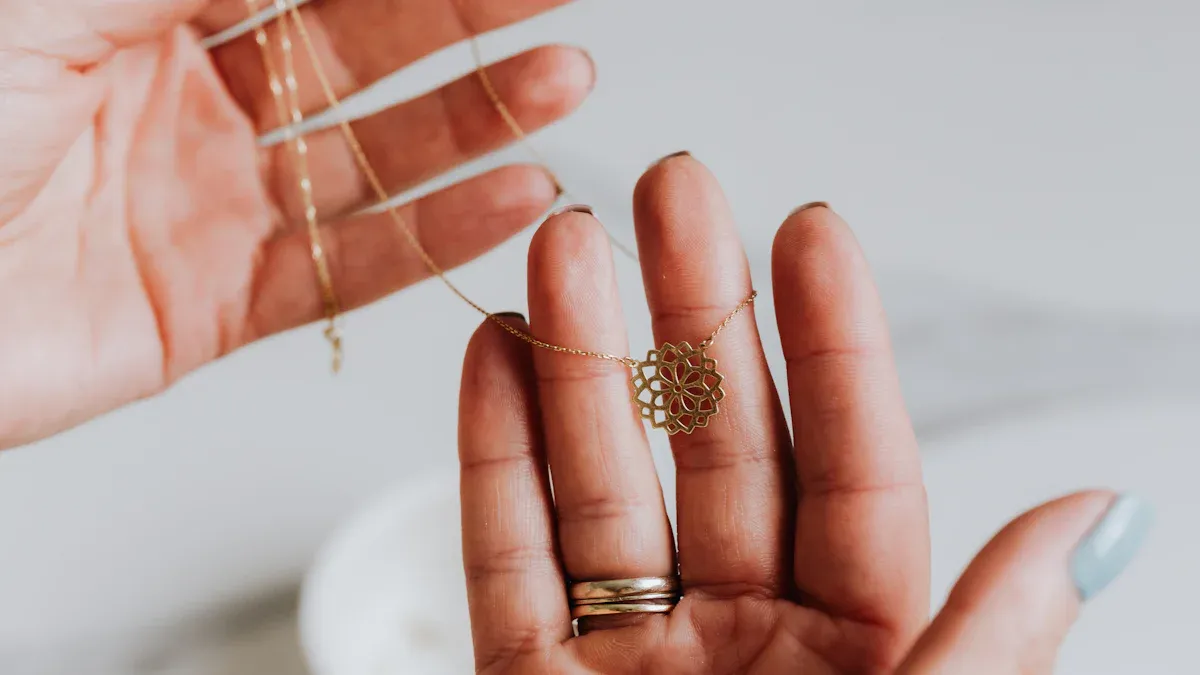
You may wonder if stainless steel jewelry can bother your skin. Most people wear it with no problems. But some people can get allergies from it. This happens more if your skin is sensitive or you react to metals. Nickel is the main reason for these skin issues. Some stainless steel, like 304 and 316, has nickel in it. If you are allergic, you might see red skin, feel itchy, or get a rash where the jewelry touches you.
Here are some facts about stainless steel and allergies:
Nickel and high-nickel alloys in stainless steel can cause allergies.
Grades 304 and 316 might give some people contact dermatitis.
If your skin is sensitive, try 316L grade jewelry. It has less nickel and is safer for most people.
If you feel itchy or see a rash after wearing stainless steel jewelry, you might have an allergy. Try using jewelry with less nickel or pick another metal.
Tip: Always check the stainless steel grade before buying if you know you have allergies.
Oxidation Effects
Stainless steel jewelry stays shiny for a long time. But it can still change if you wear it in some places. Water, sweat, and chemicals can change how your jewelry looks. High humidity can make water build up. This can cause corrosion after a while. If you swim in saltwater or use bleach, your jewelry might lose its shine or change color.
Here’s a quick look at what can happen:
Factor | Effect on Appearance |
|---|---|
Moisture | Can dull the shine or cause spots |
Saltwater | Makes spots show up more |
Harsh chemicals | Can change the color |
Skin chemistry | Can make jewelry look old or discolored |
Not cleaning jewelry | Can cause oxidation and tarnish |
You might see your jewelry look dull or dark after wearing it for some time. This is often from skin oils, sweat, or leftover lotion and soap. The good news is this film is not forever. You can wash your jewelry with soap and water to make it shiny again.
Note: Take off your jewelry before swimming or using strong cleaners to keep it looking nice.
Stainless Steel Jewelry vs. Other Materials
Gold and Silver Comparison
You may wonder how stainless steel jewelry compares to gold and silver. Each metal has good and bad points. Gold feels fancy and is worth a lot. Silver looks classic and is light to wear. Stainless steel jewelry is strong and costs less money.
Here’s a simple chart to show the differences:
Material | Pros | Cons |
|---|---|---|
Stainless Steel | Cheap, strong, easy to care for, safe for most skin | Not worth much if you sell it, may have nickel |
Gold | Very valuable, can have detailed designs, safe for most people | Costs a lot, soft, needs lots of care |
Silver | Not too expensive, light, safe for most skin | Gets dirty fast, scratches, needs cleaning |
Gold and silver jewelry need more care than stainless steel. You must polish silver often to keep it shiny. Gold can bend or scratch if you wear it a lot. Stainless steel jewelry does not get scratched or dirty as fast. You spend less time cleaning and more time wearing it.
If you care about the planet, stainless steel is better. It is made from recycled stuff and can be recycled again. Gold and silver come from mining, which can hurt nature. Picking stainless steel jewelry helps you be kinder to the earth.
FAQ
Can I wear stainless steel jewelry every day?
Yes, you can wear stainless steel jewelry daily. It resists rust, tarnish, and water. You do not need to worry about sweat or rain. Just clean it sometimes to keep it shiny.
Will stainless steel jewelry turn my skin green?
No, stainless steel jewelry usually does not turn your skin green. Most people do not have any reaction. If you have very sensitive skin, check the grade before buying.
Can I shower or swim with stainless steel jewelry?
You can shower or swim with stainless steel jewelry. It does not rust or fade in water. For best results, rinse and dry your jewelry after swimming in saltwater or pools.
How do I clean stainless steel jewelry?
Use warm water and mild soap. Wipe your jewelry with a soft cloth. For small spots, use a soft toothbrush. Dry it well before storing.
Is stainless steel jewelry safe for sensitive skin?
Most stainless steel jewelry is hypoallergenic. You can wear it even if you have sensitive skin. If you know you react to nickel, look for 316L stainless steel for extra safety.
Conclusion
Stainless steel offers an excellent balance of durability, affordability, and modern design potential, making it appealing to a wide range of customers. Its hypoallergenic properties, sustainability, and vibrant finish options often outweigh its longer production time, rigid structure. By understanding both the strengths and limitations, jewelers can better meet diverse customer needs and expand their product offerings effectively.

Perry Xu