Jewelry PVD Coating Colors and surface finishes
PVD coating Colors for jewelry include gold, rose gold, black, and more. Learn about surface finishes, durability, and how to choose the best style.
ByPerry Xu
Color plays a critical role in jewelry appeal, the Jewelry PVD Coating technology allows stainless steel jewelry to achieve rich, modern colors that last longer, resist wear, and maintain a premium appearance.
In this guide, we’ll explain:
What PVD coating color really is
How different PVD colors are created
The most popular PVD jewelry colors and their popularity Level
Contents
Popular PVD Coating Colors
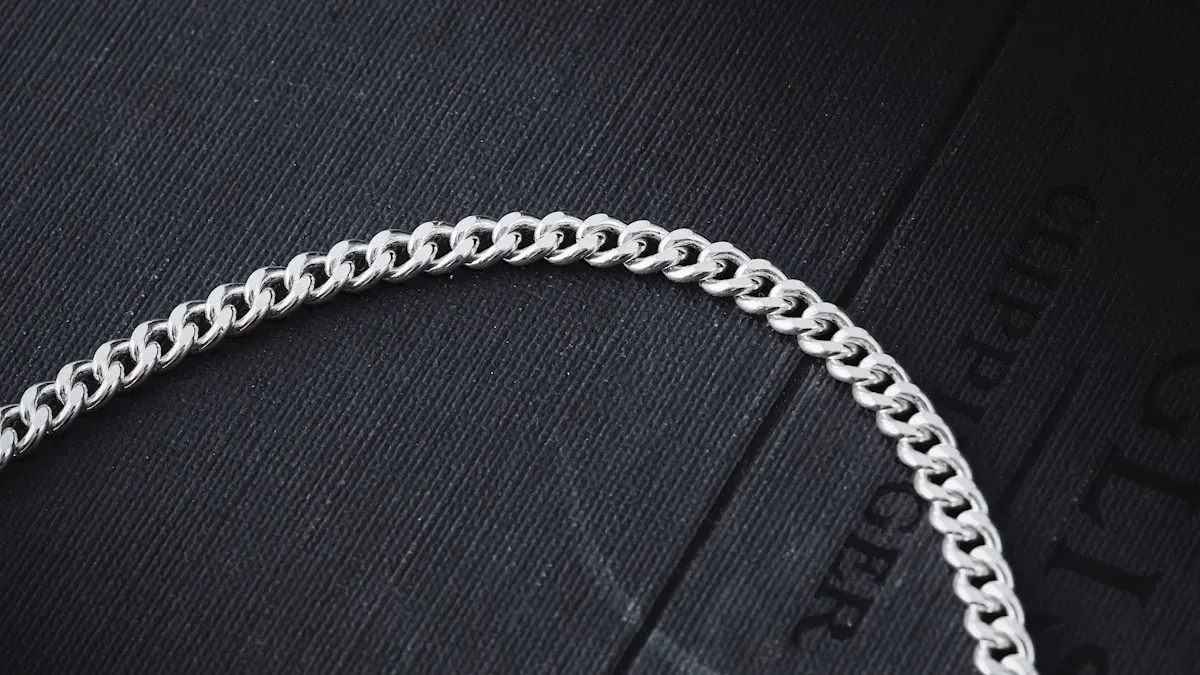
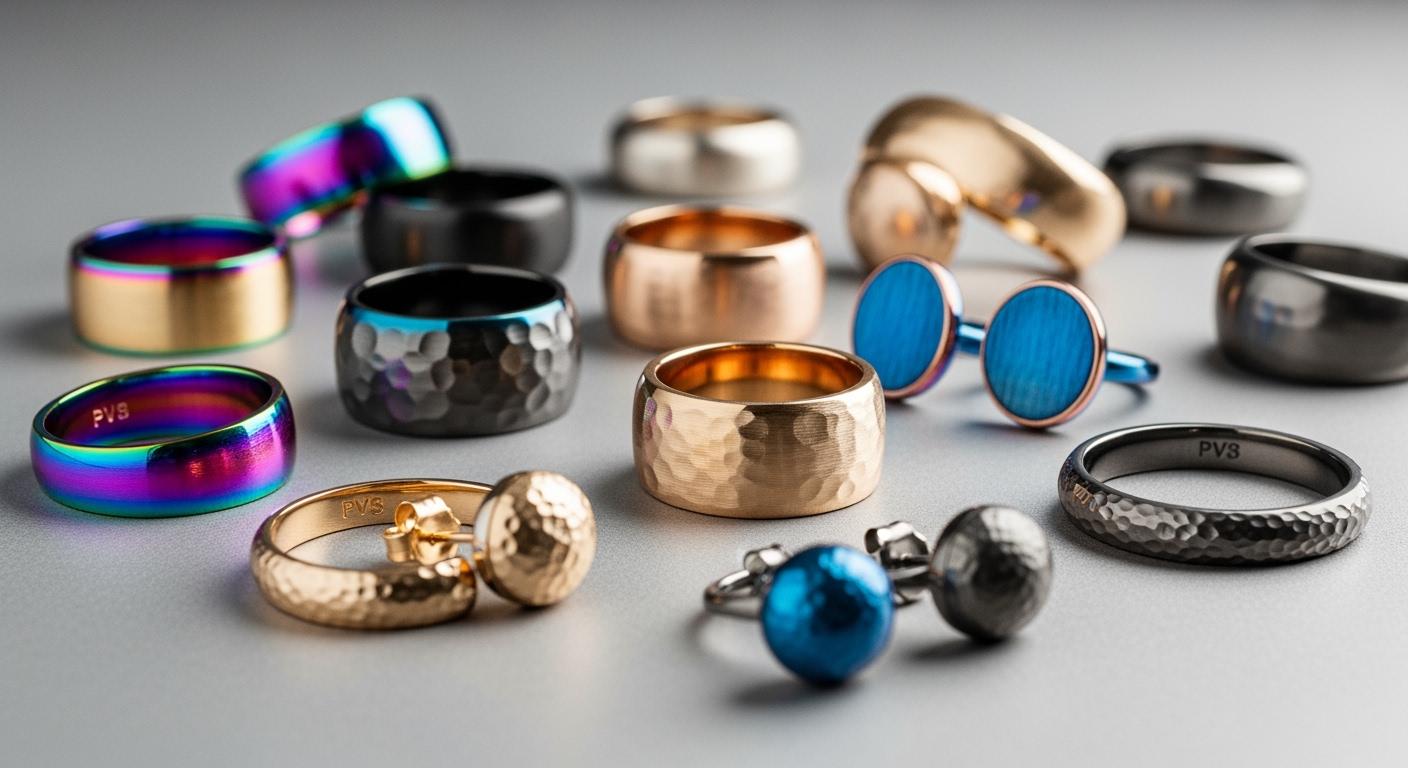
There are many colors you can pick for jewelry pvd coating. Some of these colors are gold, rose gold, black, gray, purple, brass, chrome, and oil rubbed bronze. Each color makes your jewelry look different and special.
Gold PVD Coating Options
Gold pvd coating gives jewelry a fancy and classic look. People use gold pvd on rings, watches, and bracelets. The gold pvd color uses a thin layer of 18-karat gold mixed with copper and silver. This mix makes the jewelry strong and shiny. Gold pvd lasts longer than regular gold plating. The surface is smooth and does not scratch easily. It keeps its shine for a long time. Gold stands for wealth and warmth. In 2026, gold pvd coating is still the most popular for a classic style.
Gold pvd coatings look and feel like real gold. You get the same bright color and shine but do not pay as much.
Feature | PVD Coating | Traditional Gold Plating |
|---|---|---|
Hardness | Harder than electroplated layers | Softer, wears out faster |
Wear Resistance | Does not wear out easily | Fades and wears out |
Color Stability | Keeps color in many conditions | Color can fade where it touches things |
Surface Finish | Always smooth and even | May have small flaws |
Suitability for Everyday Wear | Good for daily use, safe for skin | Sometimes needs to be taken off |
Rose Gold PVD Coating Choices
Rose gold pvd coating gives jewelry a soft and modern look. You see rose gold on rings, necklaces, and earrings. Rose gold pvd uses gold, copper, and silver to make a pink color. Changing the mix changes the shade. Rose means love and beauty. Rose gold pvd is liked for its warm and gentle feel. In 2026, rose gold is still cool for everyone.
Rose gold pvd uses titanium, zirconium, gold, or copper.
The process makes a strong and even finish.
Rose gold pvd does not fade or tarnish fast.
Metal | Role in Rose Gold |
|---|---|
Gold | Makes the base |
Copper | Gives the pink color |
Silver | Keeps the mix stable and shiny |
Black, Gray, and Other PVD Colors
Black and gray pvd colors make jewelry look cool and new. These colors are used for men’s rings, watches, and bold pieces. Black pvd uses titanium or stainless steel. It is safe for people with sensitive skin. Black stands for power and mystery. Gray gives a calm and cool look. Other colors like purple, blue, brass, chrome, and oil rubbed bronze make jewelry fun and creative. These colors do not scratch or rust easily. Your jewelry stays nice with little care.
Black pvd is safe for skin and simple to clean.
Gray and other colors use metal vapors and gases for special shades.
These colors are good for every day and special days.
The Jewelry PVD Plating Color Chart
You can find up to 16 pvd coating colors for jewelry. The chart below shows some favorites and their style:
Color | Target Compound | Visual Profile | Durability |
18K Yellow Gold | TiN (Titanium Nitride) | The “Classic” rich, warm gold hue. | Excellent |
14K Yellow Gold | TiN + ZrN | A lighter, softer, more modern gold. | Excellent |
Rose Gold | TiCN + Cu (Copper) | Trendy pink-gold; romantic and warm. | High |
Jet Black | DLC (Diamond-Like Carbon) | Sleek, ultra-hard, and modern. | Maximum |
Gunmetal Gray | CrN (Chromium Nitride) | “Rifle-barrel” gray; bold and masculine. | Excellent |
Champagne | ZrN (Zirconium Nitride) | Pale, elegant, and subtle luxury. | High |
Navy Blue | TiAlN | Electric blue to deep royal blue. | Moderate |
You can mix finishes like mirror, matte, or brushed with any color for your own style. In 2026, gold, rose gold, black, pvd colors are the most popular for jewelry.
PVD Surface Finishes
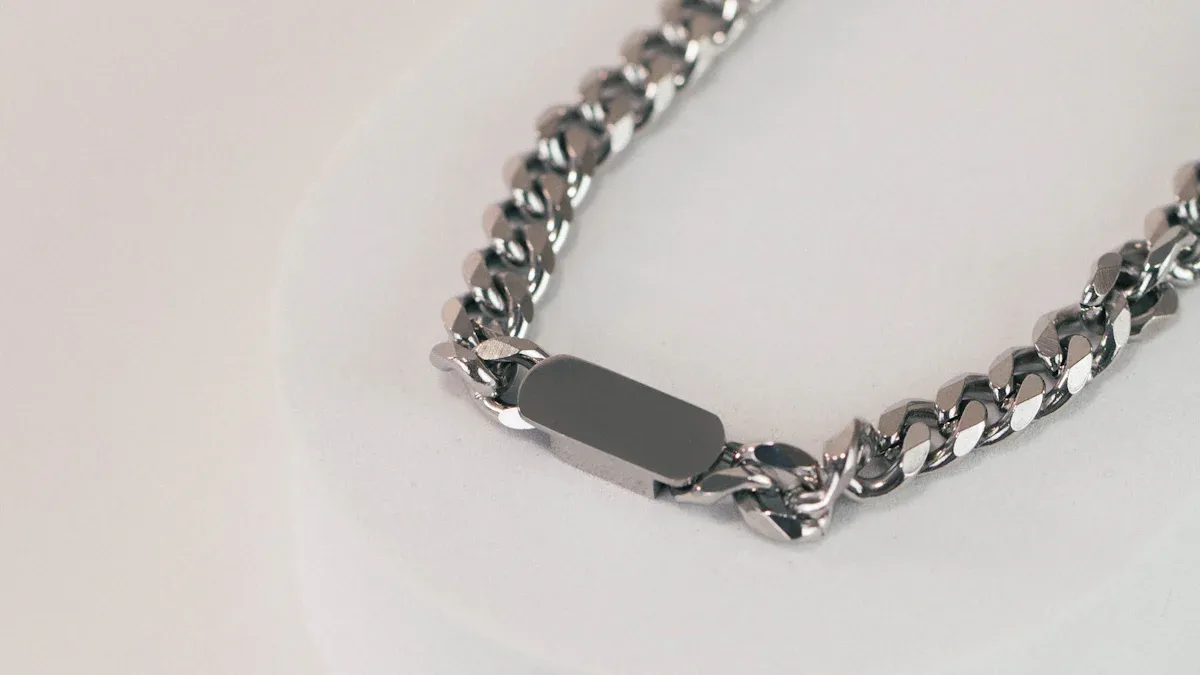
When you pick jewelry, the surface finish changes its look and feel. There are three main PVD surface finishes. These are mirror and polished, matte and brushed, and satin or sandblasted textures. Each finish gives your jewelry a different style and touch.
Mirror and Polished Finishes
Mirror and polished finishes make jewelry shine like glass. You can see your face in these finishes because they are very smooth and bright. Mirror polish gives jewelry a fancy look. It makes colors like gold or black look deeper. Polished PVD finishes look elegant and catch light easily. These finishes show fingerprints and scratches more, so you need to clean them often.
Mirror polish: Very shiny, flawless, makes colors look deep.
Polished finish: Smooth, bright, pretty, but needs cleaning.
Tip: Pick mirror or polished finishes if you want your jewelry to stand out at parties.
Matte and Brushed Finishes
Matte and brushed finishes give jewelry a soft, modern look. Matte finishes feel smooth but do not shine much. This makes them look calm and cool. Brushed finishes have tiny lines or texture. This gives depth and a special touch. These finishes hide fingerprints and small scratches better than shiny ones. You can wear matte or brushed jewelry every day, and it still looks nice.
Matte: Soft, smooth, not shiny, modern style.
Brushed: Textured, adds depth, hides marks, good for daily use.
Satin and Sandblasted Textures
Satin and sandblasted textures feel special. Satin finishes use a brushed look that spreads light softly. This finish looks fancy and works for any outfit. Sandblasted finishes have a rough, matte surface. They feel soft and hide scratches well. Sandblasted jewelry looks different and modern.
Texture Type | Description | Benefits |
|---|---|---|
Satin | Soft, brushed, spreads light | Simple, useful, fancy |
Sandblasted | Matte, rough, made by blasting tiny particles | Hides scratches, special, soft feel, modern look |
You can mix finishes with any PVD color. For example, a black matte ring or a gold brushed bracelet shows your style. Try different finishes to find what you like best.
How PVD Coating Works
The PVD Process
You might wonder how jewelry gets its strong and colorful surface. PVD stands for physical vapor deposition. This process uses a vacuum chamber to create a thin, hard coating on jewelry:
You place the jewelry on a stand and clean it to remove dirt.
The jewelry dries in a vacuum to remove moisture and oil.
You arrange the jewelry for coating and mask any parts you do not want coated.
The chamber is sealed, and air is removed to make a vacuum.
The coating material, like titanium or gold, is vaporized. The vapor sticks to the jewelry and forms a thin film.
After coating, you cool, inspect, and polish the jewelry.
This process creates a strong layer that protects the jewelry and gives it color.
Achieving Different Colors and Finishes
You can get many colors with PVD. The color depends on the metal or compound used, the gases in the chamber, and the thickness of the coating. For example, titanium nitride gives a gold-colored PVD coating. Titanium carbonitride can make rose gold or black. Chromium nitride and diamond-like carbon create gray or dark finishes. If you want gold-like finishes, you choose the right metal and gas mix.
The finish also matters. If you polish the base metal, you get a shiny, mirror look. If you sand or brush it, you get a matte or textured finish. The PVD coating keeps the look you choose.
How PVD Colors Are Created
PVD colors come from the way light hits the thin film on the jewelry. You can even get rainbow or multicolor effects by changing the film thickness. This works like a soap bubble, where light bounces and makes colors. PVD cannot make every color like anodizing or structural color, but it covers most popular shades. Gold color coatings, rose gold, black, and gray are common.
PVD coating lasts longer than electroplating, powder coating, or oxidation. It sticks better and does not chip or fade fast. You get a jewelry coating that is hard, bright, and safe for skin.
Note: PVD gives you more durable and colorful jewelry than many other methods.
Coloring Method | Durability | Color Range | Process Type |
|---|---|---|---|
PVD Coating | High | Wide | Vacuum, thin film |
Electroplating | Medium | Wide | Electrochemical |
Anodizing | Medium | Bright | Electrochemical |
Powder Coating | Medium | Wide | Heat, powder |
Oxidation | Low | Limited | Chemical |
Benefits of PVD Coating
Durability and Scratch Resistance
You want jewelry that stays nice for a long time. PVD coating makes jewelry very tough. The process uses vaporized metals in a vacuum. This forms a thin, hard layer on the jewelry. The layer sticks tightly to the surface. It helps stop scratches and wear. You can wear your silver ring every day. It will keep shining and looking new. Black PVD coating is good for jewelry you use a lot. It keeps pieces from fading or getting scratched. The hard surface helps your bracelet or necklace stay strong. Even if you bump or drop it, it will not break easily.
Tip: Pick PVD-coated jewelry for daily use if you want it to stay shiny and strong.
Corrosion and Tarnish Resistance
You might worry about your jewelry losing color or getting dull. PVD-coated jewelry does not tarnish or corrode easily. The special coating keeps out moisture, sweat, and chemicals. This protects your silver jewelry from damage. PVD lasts longer than regular plating. The metal layer covers the jewelry evenly. It helps your jewelry stay bright and pretty. Silver jewelry with PVD coating looks good even in humid weather. You can wash your hands and still wear it.
They resist wear and corrosion very well.
PVD keeps its look for a long time, so it is more durable.
Feature | PVD-Coated Jewelry | Non-Coated Jewelry |
|---|---|---|
Tarnish Resistance | High | Low |
Corrosion Resistance | High | Low |
Longevity | Long-lasting | Shorter lifespan |
Hypoallergenic Properties
You want jewelry that feels safe on your skin. PVD-coated jewelry uses metals like titanium or zirconium. These do not release nickel or other allergens. You can wear silver earrings or rings without worrying. PVD coatings do not use harsh chemicals. They are safe for people with sensitive skin. Many people pick PVD-coated silver jewelry for everyday wear. It is gentle and comfortable.
PVD-coated jewelry uses metals that are hypoallergenic.
The coating lowers the chance of skin allergies.
Hypoallergenic means less risk of irritation from nickel, cobalt, or chromium.
Note: If your skin is sensitive, PVD-coated silver jewelry is a good choice.
Choosing PVD Coating Colors and Finishes
Matching Style and Skin Tone
You want your jewelry to look great and feel right for you. When you choose a PVD coating color and finish, think about your style, your skin tone, and how you plan to wear the piece. Some colors look better with certain skin tones. Gold and rose gold often match warm skin tones, while silver and black look good on cool or neutral skin. If you like bold looks, try black, blue, or rainbow finishes. For a classic style, gold or silver works well.
Here is a quick guide to help you decide:
Factor | Description |
|---|---|
Base Metal | Stainless steel, titanium, or brass change how the jewelry feels and lasts. |
Finish Type | Gold, black, or silver PVD gives different looks for your style. |
Product Category | Rings, earrings, and necklaces need different coatings for best wear and comfort. |
Tip: Try on different colors and finishes to see which ones make you feel confident and match your favorite outfits.
Usage and Maintenance Tips
You want your PVD-coated jewelry to stay bright and beautiful. Good care helps it last longer. PVD coatings are tough, but you should still treat your jewelry with care.
Wipe each piece with a soft, lint-free cloth after wearing.
Keep jewelry away from perfume, lotion, and hairspray.
Store each piece in its own pouch or box with a silica gel packet.
Take off jewelry before swimming, showering, or sleeping.
To clean your jewelry, follow these steps:
Mix a few drops of mild soap in lukewarm water.
Dip a soft cloth in the soapy water.
Gently wipe the jewelry’s surface.
Use a damp cloth with plain water to rinse.
Dry right away with a soft towel.
PVD-coated jewelry lasts longer than traditional plating. It can handle daily wear, water, and sweat. You get up to two years of shine and strength, even with regular use. Choose PVD-coated pieces for rings and bracelets that see lots of action. They keep their color and resist scratches better than other types.
Note: Store your jewelry in a cool, dry place to keep it looking new.
You can pick from many kinds of PVD-coated jewelry. These coatings come in lots of colors and finishes. This means you can find something that fits your style. PVD-coated jewelry lasts a long time. It does not scratch easily and stays shiny. The table below explains why people like PVD for jewelry:
Benefit | Description |
|---|---|
Superior Scratch Resistance | Harder and more durable than other coatings |
Long-Lasting Color Retention | Keeps color and shine for years |
Wide Range of Finishes | Many styles and looks to choose from |
Hypoallergenic Properties | |
Eco-Friendly Manufacturing | Cleaner and better for the environment |
PVD-coated jewelry is both pretty and strong. You can try a new color or finish for your next jewelry piece!
FAQ
Does PVD color fade over time?
You get long-lasting color with PVD coating. Most jewelry keeps its shine for years. Some users say gold and platinum PVD stay bright even after daily wear. You should clean your jewelry often to help it look new.
Can you repair a scratched PVD surface?
You cannot fix deep scratches on PVD at home. Light marks may fade with gentle cleaning. Jewelers can reapply PVD coating if needed. Many users suggest storing jewelry safely to avoid damage.
Is rainbow PVD really durable?
You see rainbow PVD on rings and bracelets. This finish lasts as long as other PVD colors. Users say rainbow PVD resists fading and scratches well. You should avoid harsh chemicals to keep the colors bright.
Does black PVD show scratches more?
Black PVD looks bold and modern. Some users notice that scratches show up more on black than on matte or brushed finishes. You can choose a textured surface to hide marks better.

Perry Xu