Surgical Steel vs Sterling Silver: What’s the difference
ByPerry Xu
When it comes to jewelry, you shouldn’t consider just looks, but many other factors affect the choices. That’s why nowadays many people are wondering: surgical steel vs Sterling silver, which kind of metal is best for a jewelry line? Well! Both of the metals have their own pros and cons.
That’s why the purpose of writing this blog is to help you in deciding which one is best according to your personal needs, whether it’s comfort, price, or durability. So, keep reading!

Source: Pinterest
Contents
What is Surgical Steel?
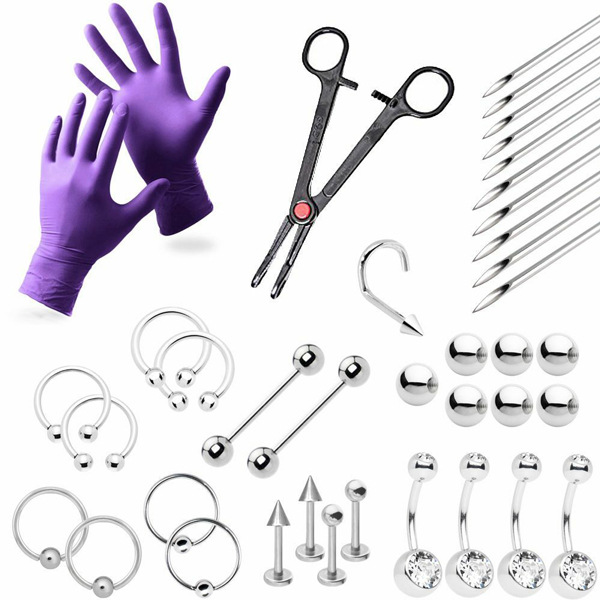
Surgical steel is basically a refined type of stainless steel, and as the name suggests, it’s particularly designed for things that come in contact with skin, like surgical instruments, body jewelry, etc.
You know, it’s also an alloy composed of different kinds of metals like iron ( base metal), chromium ( 20-22%), nickel ( 8-14%), and molybdenum (up 3%). Such a composition actually makes it a highly safe and durable option for jewelry.
Source: Pinterest
- Common grades of surgical steel
| Composition | Key features | Jewelry uses | |
| 316L ( Low carbon) | Fe (balance), Cr: 16–18%, Ni: 10–14%, Mo: 2–3%, C ≤0.03% | Hypoallergenic for most people, highly resistant to tarnish and rust, durable, and affordable. | Earrings, necklaces, rings, body jewelry (belly, nose, lip, eyebrow) |
| 316LVM ( Low carbon, vacuum melted) | Same as 316L but vacuum melted for purity | Extra hypoallergenic, smoother finish, fewer impurities, preferred for sensitive skin. | Premium body jewelry, implants, and high-end piercings |
| 304 | Fe (balance), Cr: 18–20%, Ni: 8–10.5%, C ≤0.08% | Good corrosion resistance, but higher nickel can irritate sensitive skin. | Fashion jewelry (not recommended for fresh piercings). |
Pros of Surgical Steel in Jewelry
- Budget-friendly and hardly needs any upkeep.
- Usually hypoallergenic, especially in the 316L grade.
- Amazing toughness makes it nearly impossible to scratch.
- Stays shiny and new—corrosion, rust, and tarnish are no match.
Cons of Surgical Steel in Jewelry
- Tiny amounts of nickel could trigger a reaction in ultra-sensitive skin.
- Hard to engrave or customize because of the metal’s incredible strength.
What is Sterling Silver?
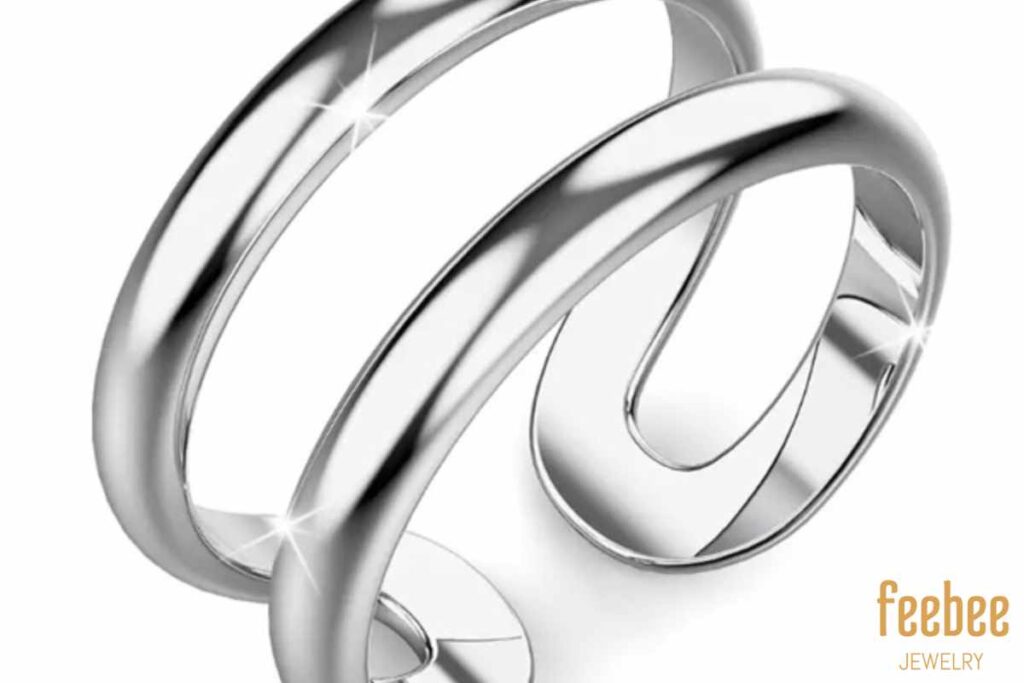
On the other hand, Sterling silver is actually composed of 92.5% pure silver and 7.5% copper or other metals. For your information, you can’t use pure silver this iis because it’s too soft, and jewelry made of this is prone to breakage. Thus, a small quantity of added copper or other metals actually gives it strength.
Pros of Sterling Silver in Jewelry
- It’s hypoallergenic.
- Easy to engrave and customize owing to its softness
- Shiny, gleaming, luxurious appeal, which serves to set Silver apart.
Cons of Sterling Silver in Jewelry
- Less durable than surgical steel
- Higher costs compared to surgical steel.
- Air, skin oils, and humidity will dull its luster, thus needing regular upkeep.
Features comparison: Surgical steel vs Sterling silver
Although you might have developed an idea about both metals. However, as it’s a matter of your whole jewelry business, you have to think deeply. This is because one wrong decision would cause a big loss. So let’s dive deeper and compare the features of both surgical stainless steel jewelry and sterling silver one for a better understanding!
Shine and Color Tone
Surgical steel: As mentioned in the previous section, surgical steel is mainly composed of two metals, iron ( dark grey in colour) and chromium ( silverish colour). Thus, when both blends then they give a dull grey look instead of pure white.
Here, the interesting point to note is that chromium actually creates a thin, invisible protective layer, helping jewelry to maintain its shine even when exposed to air, moisture, etc. That’s amazing, right?
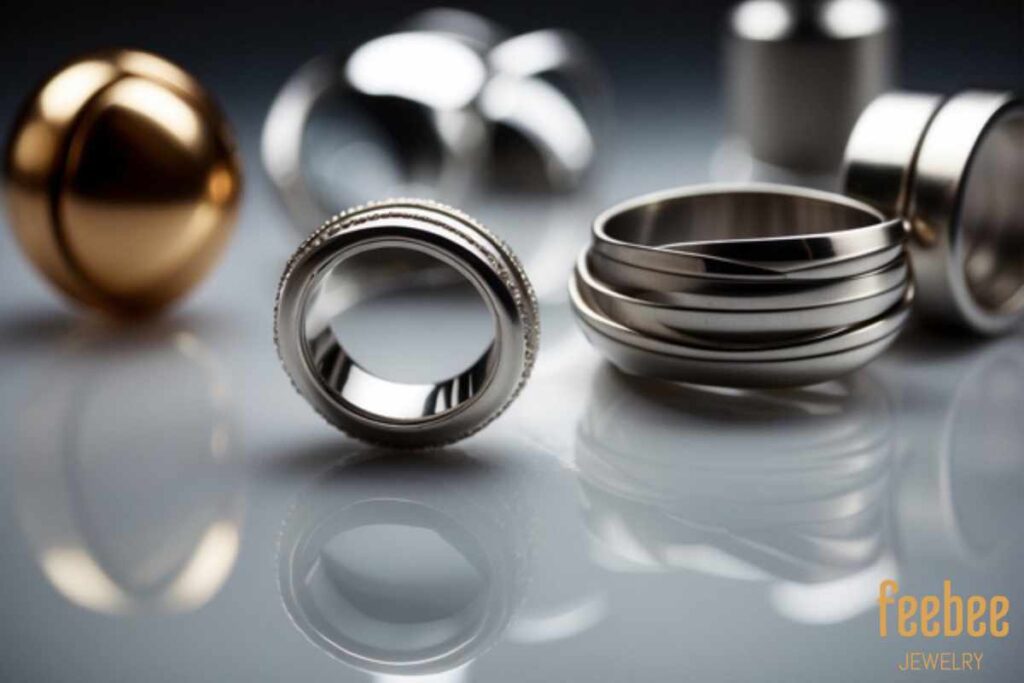
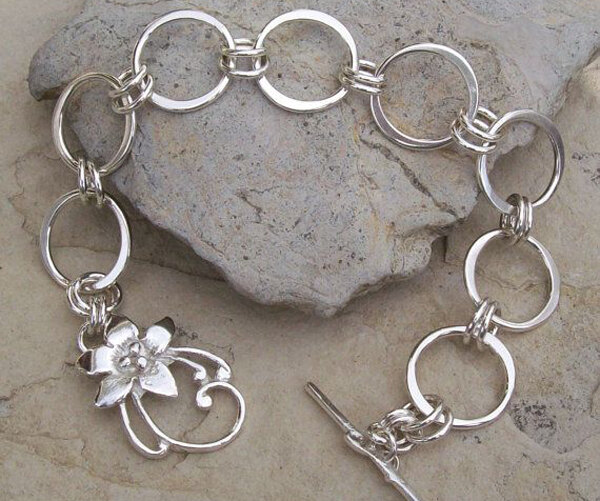
Sterling Silver: On the other hand, sterling silver, owing to its abundance of pure silver, has a bright white look. Also, you know the softness of silver causes light to reflect in just one straight direction. Thus, that’s the reason that sterling silver jewelry actually has a mirror-like shine, giving it a premium look.
Nickel Content and Skin Compatibility
Surgical Steel: Keep in mind that any metal containing nickel has the concern of causing skin irritations. Although surgical steel also contains almost 10-14% nickel, its 316L and 316LVM grades are the safest choices for skin.
Let me explain this. Actually, they contain Low carbon content as mentioned in their name. Thus, this gives chromium the ability to make a Cr2O3 protective layer, which locks in nickel and prevents it from getting in touch with skin.
The point to note is that if the carbon content is higher, like in other stainless steel types, then despite making a Cr2O3 layer, CrC precipitates are formed. Thus, this Low carbon is actually behind the scenes, making surgical steel a safe choice for skin-sensitive persons.
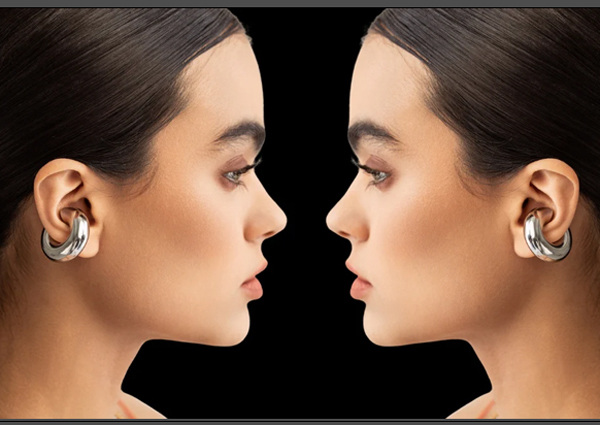
Sterling silver: In contrast, sterling silver is totally safe for skin-sensitive persons, as it’s completely devoid of any nickel metal.
Resistance to Wear and Tarnish
Surgical Steel: Surgical steel is a combination of strong metals like chromium, iron, and nickel. These metals basically make a dense crystal structure, making it highly resistant to any wear and tear.
Moreover, the Cr metal has the ability to form a CrO protective layer when it gets exposed to air or moisture. Thus, making the jewelry best for everyday use, like taking a shower, etc, as there would be no fear of any stain or rust.
Sterling Silver: However, in terms of durability and tarnish resistance, the sterling silver actually fails. First of all, it contains 92.5% pure silver, which is a soft metal, making it less durable compared to others.
Also, the presence of copper has a downside. This is because when it gets exposed to air or water, the sulphur present there basically reacts with copper, making CuS a dark colored compound. This gives sterling silver a dull look.
Weight and Comfort
Surgical Steel: You know, surgical steel basically has a density ( heaviness per unit volume) of about 7.9-8 g/cm³. On the other hand, the density of sterling silver is about ~10.3 g/cm³. Well! You know sterling silver is steel considered comfortable to wear, owing to its ability to be easily engraved.
However, surgical steel, being strong, is considered best for heavy jewelry pieces.
Source: Pinterest
Crafting Flexibility and Luxury Appeal
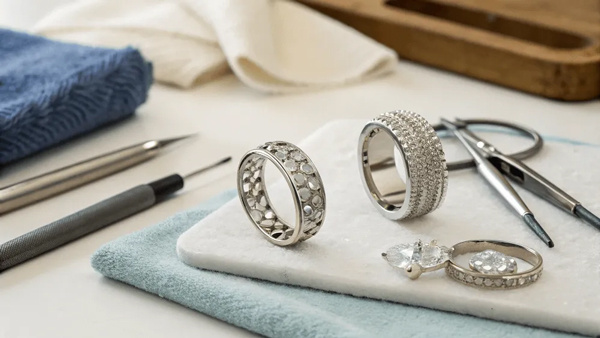
Surgical Steel: Owing to the hardness of surgical steel, it would become difficult for you to use it for fine detailing and customization.
Sterling Silver: On the contrary, sterling silver, owing to its abundance of soft silver, can easily be engraved and considered the best option for customization purposes.
- Summarizing table: surgical steel vs sterling silver
| Surgical Steel | Sterling silver | Winner | |
| Shine & Tone | Modern | Bright | Sterling Silver |
| Skin Safety | Safe | Hypoallergenic | Tie |
| Tarnish Resistance | Durable | Prone | Surgical Steel |
| Weight | Heavy | Light | Sterling Silver |
| Crafting | Rigid | Flexible | Sterling Silver |
| Appeal | Industrial | Luxurious | Sterling Silver |
How to Choose Between Surgical Steel and Sterling Silver for Different Jewelry Types?
Now, you are better familiar with the features of both metals, however before deciding between both you also have to consider the type of jewelry you are buying. That’s because each type of jewlry piece has its unique wearing pattern or skin contact. So, here I’m going to discuss what kind of metal you should opt for which jewelry type
Earrings and body jewelry:
Keep in mind that earrings or body jewelry come in direct contact with the pierced skin. So, if you wear the metal having skin allergens like nickel, etc for longer periods, then it may cause swelling, itching or rashes or infections especially in the fresh piercings.
That’s why to avoid all such issues, it’s best to go for the surgical steel over sterling silver for such pieces. This is so as surgical steel owing to its ability to lock nickel ( skin allergen) make it hypoallergenic.
Rings and pendants:
On the other hand in case of rings or pendants, your priority is the design, appearance or even durability. It’s a fact that you wear both pieces for everyday use, so they would get exposed to water, friction or daily wear or tear.
Definitely, you don’t want to wear the piece that rusts or loses its shine. That’s why stainless steel is the practical choice for rings or pendants. This is because its corrosion or tarnish resistant ability makes the pieces stay shiny or elegant for years while handling everyday wear.
Everyday vs occasional wear:
Similarly, if you want to get jewelry for everyday use like travelling or even getting a shower, then it would be best to have surgical steel jewelry. That’s because its corrosion resistant property makes it stay shiny even getting exposed to water. Also as mentioned earlier, it has a dense crystal structure which makes it durable enough to withstand daily wear or tear.
On the other hand, if you want to wear jewlry just on special occasions, then opting for the sterling silver is the good decision. That’s because such pieces have a mirror-like shine or look classy & elegant, thus attracting the attention of others. However, it may tarnish over time, so just occasional wearing is the best.
How to Care for Surgical Steel and Sterling Silver Jewelry?
Surgical Steel:
Since it’s resistant to rust or corrosion, it requires low maintenance. For instance;
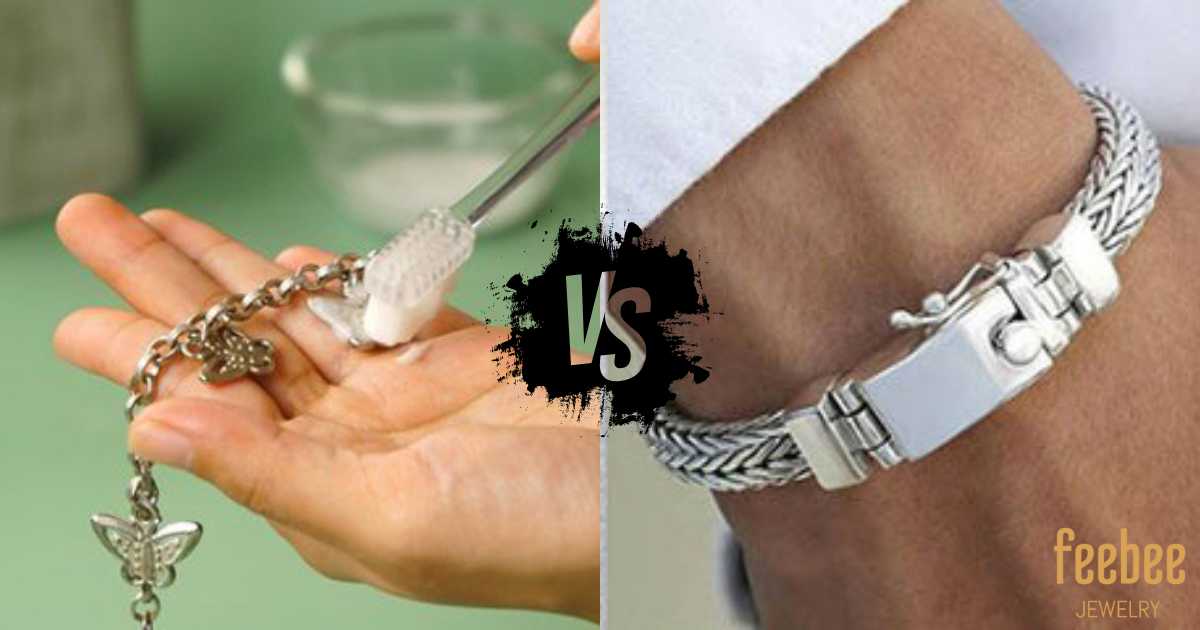
- You can just wash it with warm water and mild soap or gently scrub with a soft cloth or toothbrush.
- Also, after washing, you should thoroughly dry with a soft, lint-free cloth.
- Moreover, you should keep your surgical steel jewelry away from bleach, chlorine, or abrasive cleaners. This is because they can dull the shine over time.
Sterling Silver:
On the other hand, sterling silver doesnlt have any protective layer like the surgical steel, so it can tarnish over time. That’s why such pieces need regular care.
- First, you should wipe with a soft polishing cloth to maintain shine.
- Also, it’s best to soak it in warm water with mild soap, gently brush, rinse, and dry completely.
- Furthermore, keep in anti-tarnish pouches or airtight containers to slow discoloration.
- Moreover, it’s advisable to remove sterling silver jewelry before applying perfumes, lotions, or cleaning products to prevent tarnish.
Final Words
In short, in discussion over surgical steel vs sterling silver, we have reached the conclusion that both types of metal have their pros and cons. So, the final choice is up to you. If cost, durability, tarnish resistance, and easy maintenance are what you are looking for to give your customers, then surgical stainless steel is the best option.
However, if you want a metal for easily crafting and having a premium, brighter look, then you can consider sterling silver. However, you have to handle this jewelry with care because of tarnishing concerns. So, if you want to buy custom stainless steel jewelry, free of nickel then you can contact us at Feebee Jewelry. We have years of production experience and are also GRS/SGS certified.
FAQs
Is sterling silver ok for sensitive ears?
Yes, sterling silver is generally ok for sensitive ears. This is because it contains 92.5% silver or just 7.5% other metals. However, keep in mind some may contain copper metal in other metals which may trigger mild allergic reactions to very seneitive individuals. However, it doent contain nickel, so it’s almost safe for sensitive persons.
Is surgical steel better than stainless steel?
Surgical steel is actually a type of stainless steel which is designed to be hypoallergenic by reducing the carbon content which then causes the locking of nickel content inside the structure. Thus, compared to stainless steel, surgical steel is safer for body jewlry ro everyday use.
Does surgical silver rust?
Absolutely not. Surgical silver doesn’t rust or tarnish even getting exposed to air or moisture. This is because it contains chromium metal which on exposure to air forms a protective layer. Thus, this CrO2 layer prevents corrosions and keeps your jewlry stays shiny or durable for a long time.
How to stop sterling silver from tarnishing?
Keep in mind that sterling silver naturally tarnished on getting exposed to air, moisture or chemicals. So, if you want to prevent y then its best to store it in the anti-tarnishing bags or airtight containers. Also, it’s advisable to avoid contact with the lotions, or perfumes and also clean it regularly after use.

Perry Xu