Types of Chains: A Guide to Styles, Strengths, and Care
ByPerry Xu
Chains aren’t optional pieces of jewelry. If they fail, so does the jewelry. They are the part that gets the most wear, the most friction, and the least attention until something goes wrong.
So whether you’re a customer trying to choose a chain that won’t kink or tarnish, or a manufacturer deciding what styles to invest in, understanding the types of chains matters.
Some chains look great in photos, but twist the second you wear them. Some feel strong but snap at the clasp. This guide breaks down the most popular types of chains, with honest pros and cons, and some care tips. So you can make choices that hold up, literally and emotionally.
The 10 Most Popular Types of Chains
There are many different types of chains to choose from when it comes to jewelry. Today, we look at the 10 most popular types of chains. Let’s break it down.
Curb Chain (Cuban Link)
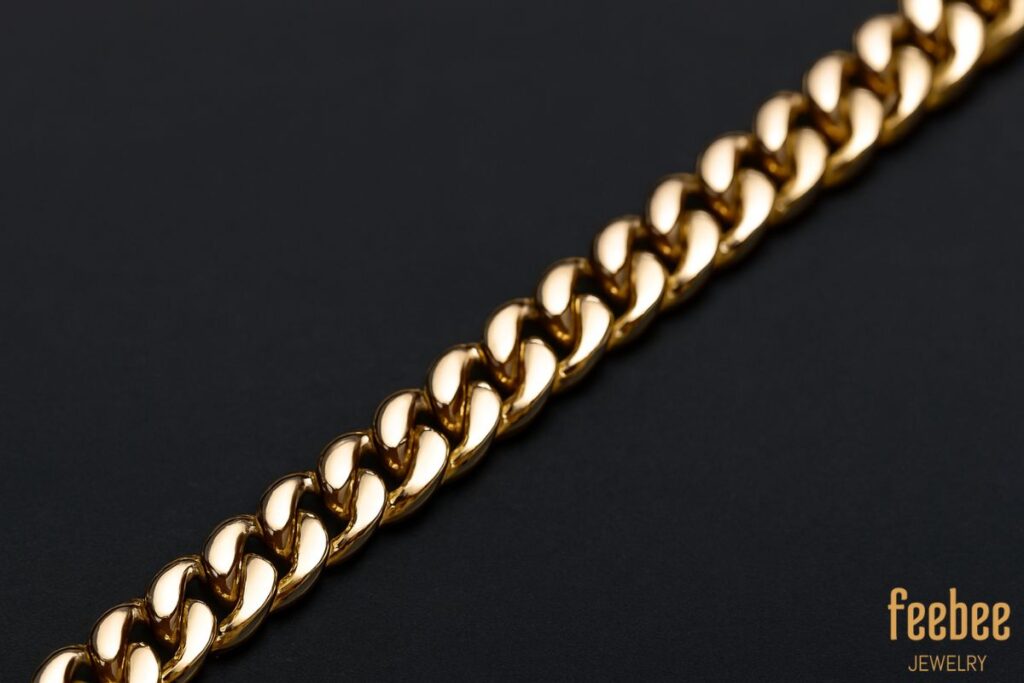
The curb type of chains are sort of like a cable chain that has been flattened and twisted so they can lie flat against your skin. They’re often used in men’s jewelry or bold statement pieces, but the thinner versions work well for layering.
They’re sturdy and low-maintenance, which makes them a go-to for customers who want something that lasts.`
Pros:
- It is durable and comfortable.
- They are flexible and don’t twist or tangle that easily.
- There’s a variety of thicknesses to choose from.
- It is easy to repair.
Cons:
- They are expensive.
- The thick styles can feel heavy or rigid.
- It is not the best match for delicate pendants.
Paperclip Chain
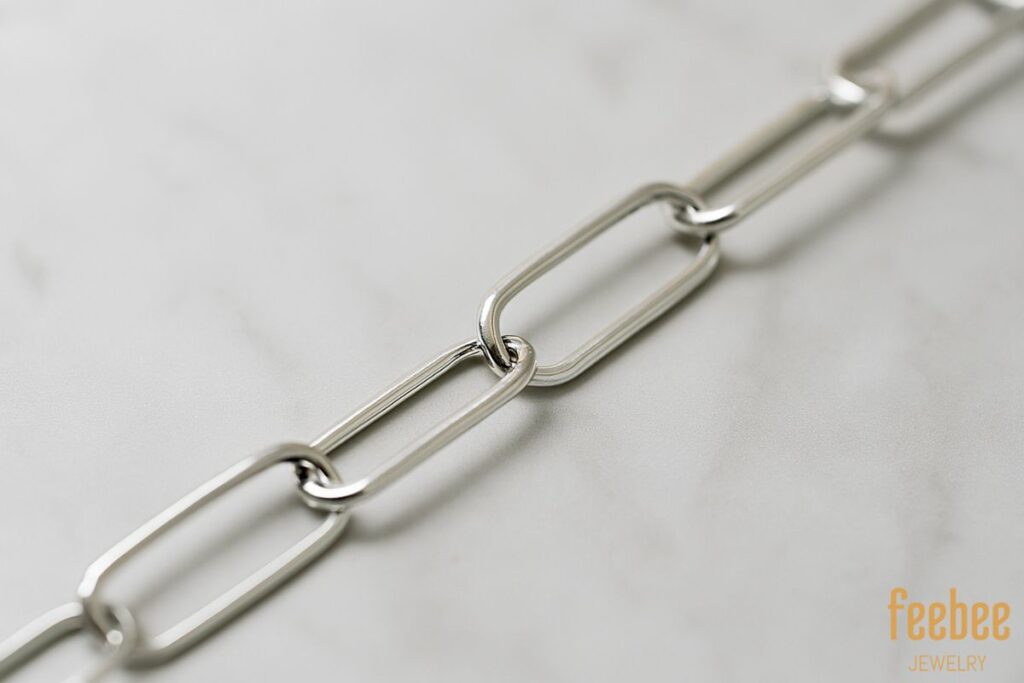
You’ve seen these types of chains everywhere, from feeds and storefronts to styled over linen outfits. The long oval links look exactly like paper clips, and that’s the point. It’s familiar, clean, and easy to spot.
It has a smart design. You get that oversized chain look without using much metal. This keeps the costs down, especially when gold prices spike. Just take note that these chains are not as strong as a cable chain of the same thickness, which we will share later on in this blog. So it is better for light pendants or wearing the chain on its own.
Pros:
- The design makes it very flexible and easy to wear.
- Because of all the open spaces it uses less metal, so it costs less.
Cons:
- They are more prone to breaking and bending than the chains, which have tighter links.
3. Rope Chain
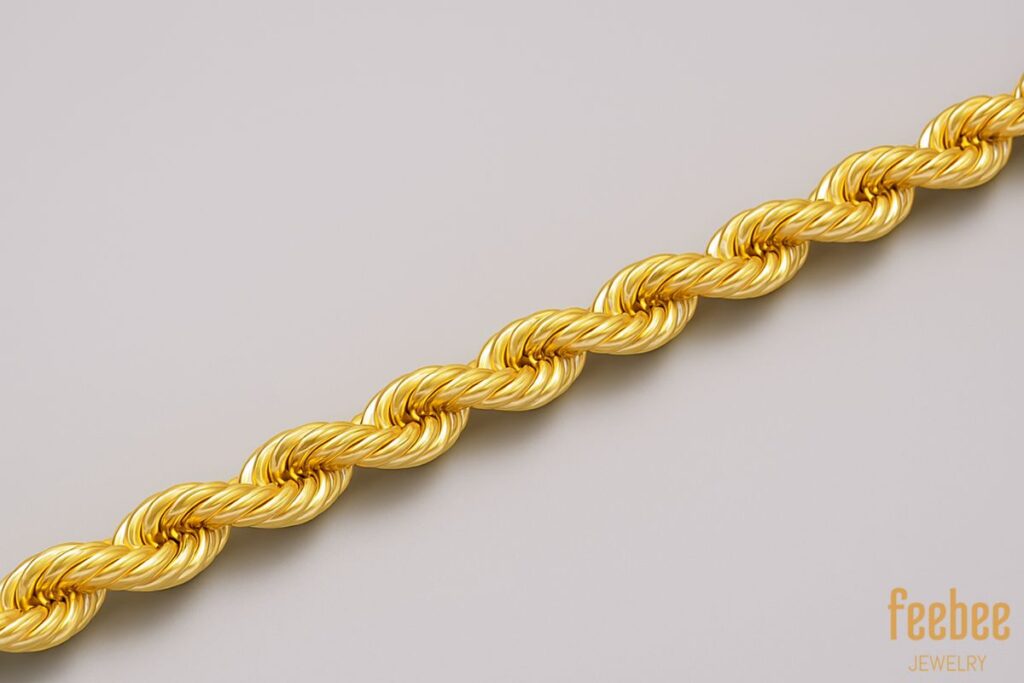
Rope chains are known for their strength and shine. Each of the links twists into a spiral that connects at multiple points. This is what gives it durability. Even the hollow versions hold up well. But please take note that once a hollow rope chain breaks, it’s nearly impossible to fix it cleanly.
The diamond-cut styles reflect light from every angle, especially if it’s in gold. If you’re a manufacturer, it’s a staple. You just need to make sure that the twist is tight and consistent.
Pros:
- In a solid rope chain, the links are so tightly woven that even if one or two break, the chain still holds.
- They are flexible and low-maintenance. Their natural twist keeps them from tangling or needing to be straightened.
- They work well whether styled solo or layered.
- It has a timeless and elegant look.
Cons:
- It is difficult to repair when it gets damaged.
- It can pull your hair out if it catches the wrong way.
4. Tennis Chain
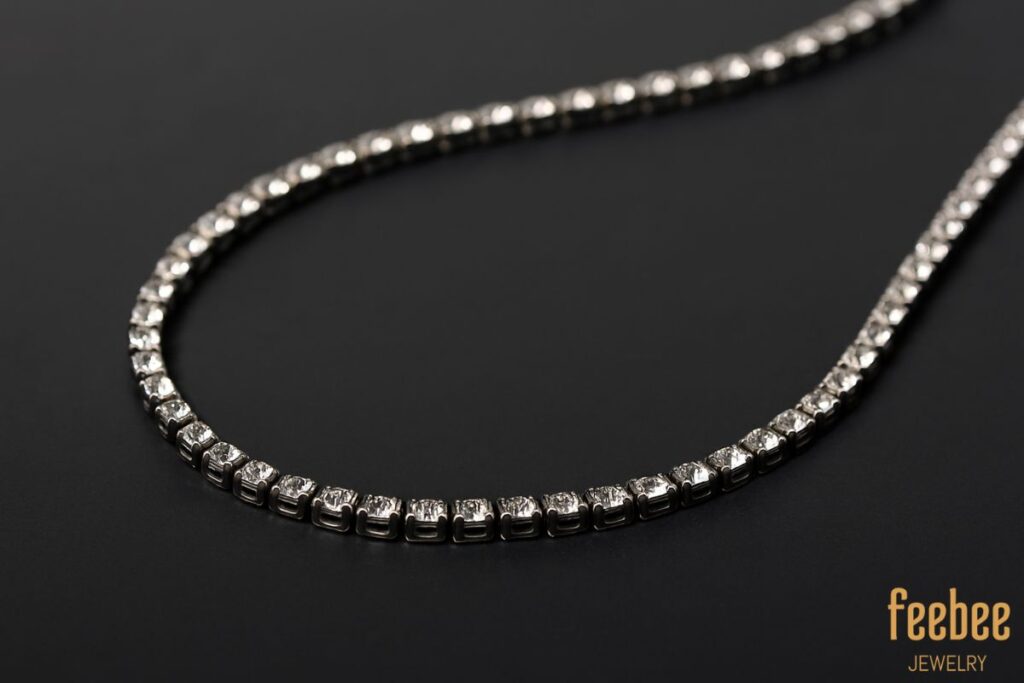
Tennis chains are all about clean sparkle and quiet luxury. Each stone is set one by one in little prongs, forming a straight line that catches light from every angle. The look is smooth, balanced, and elegant. Whether the chain is made with diamonds, moissanite, or cubic zirconia. Even the simpler versions still shine.
You’ll see tennis chains in gold, platinum, and stainless steel. The high-end ones feel delicate, but the steel versions hold up well and still look polished. If you’re making or selling them, the key is consistency. The stones should sit flush, and the prongs need to be secure so nothing snags or shifts.
Pros:
- The sparkle is constant and eye-catching, even in budget-friendly styles.
- It layers well with other chains or pendants.
- Available in lots of materials and price points.
- Works for everyday wear or dressed-up looks.
Cons:
- Prongs can loosen over time, especially if it is worn frequently.
- It’s not great for rough use, as the stones might chip or fall out.
- Repairs are tricky.
5. Herringbone Chain
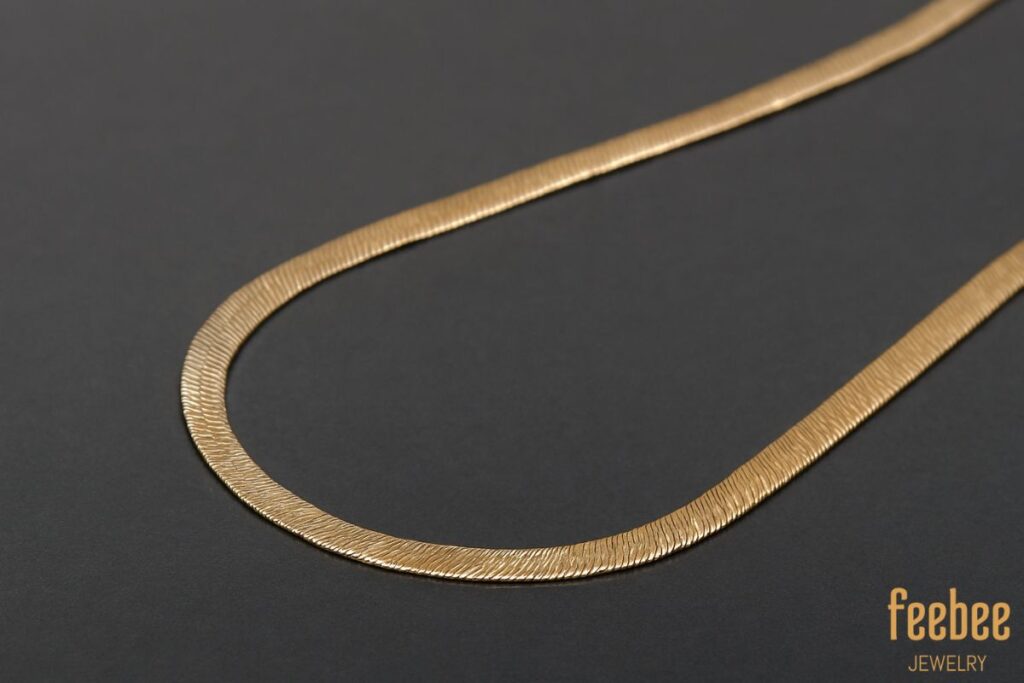
This chain is built from short, slanted links that form a subtle V-shaped pattern. They’re wide, flat, and super sleek. So even though they don’t use much material, they show up big. That bold surface is part of their charm, but it also makes them delicate. The way the links overlap means they can twist or kink easily if you’re not careful.
They’re not ideal for pendants, and they need thoughtful handling, especially when storing or wearing. But for those who love a statement piece, the visual impact is worth the extra care.
Pros:
- The high-shine finish catches the light beautifully.
- It is elegant and refined.
- Great to wear on its own.
Cons:
- They are prone to kinking and hard to repair.
- They are not pendant-friendly.
6. Box Chain
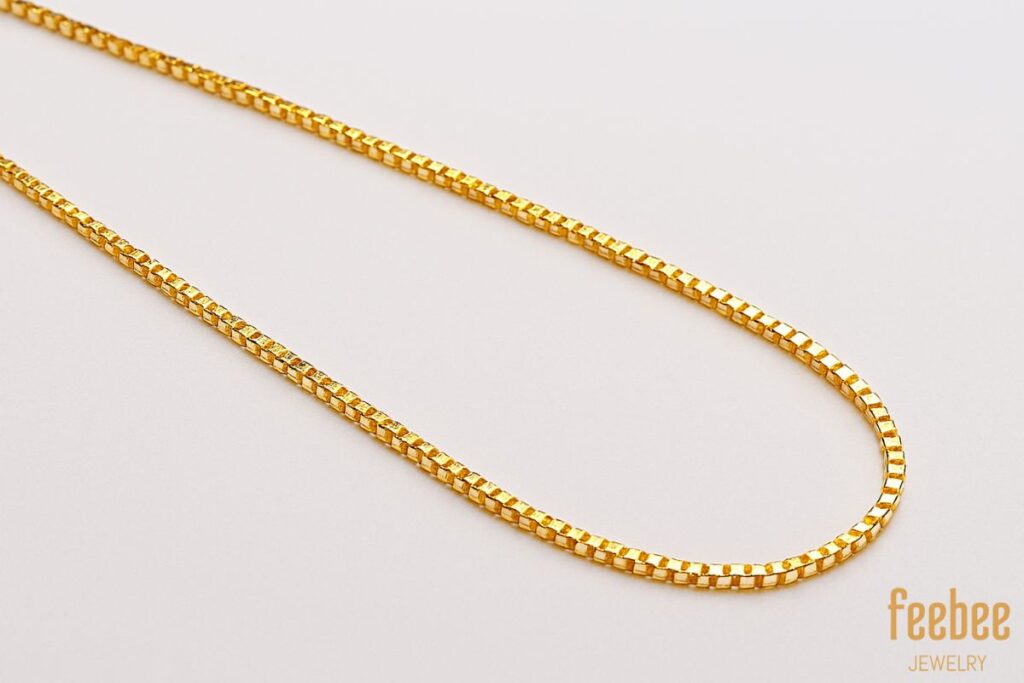
The box type chain that is also known as the book chain, and Venetian chain are made of square links that lock together like a grid. Their design is clean, geometric and has a slightly more elevated feel than cable chains.
Your customers will love them not only for their strength but for their strong finish too. These types of chains are ideal for pendants, especially when it comes to the heavier ones. They also don’t twist or catch easily.
Pros:
- It doesn’t tangle easily.
- It is easy to clean and polish.
- It has a simple yet sturdy design.
- It is ideal for weighty pendants.
Cons:
- It moves less freely than softer chain types.
- It can kink if you bend it too sharply.
7. Snake Chain
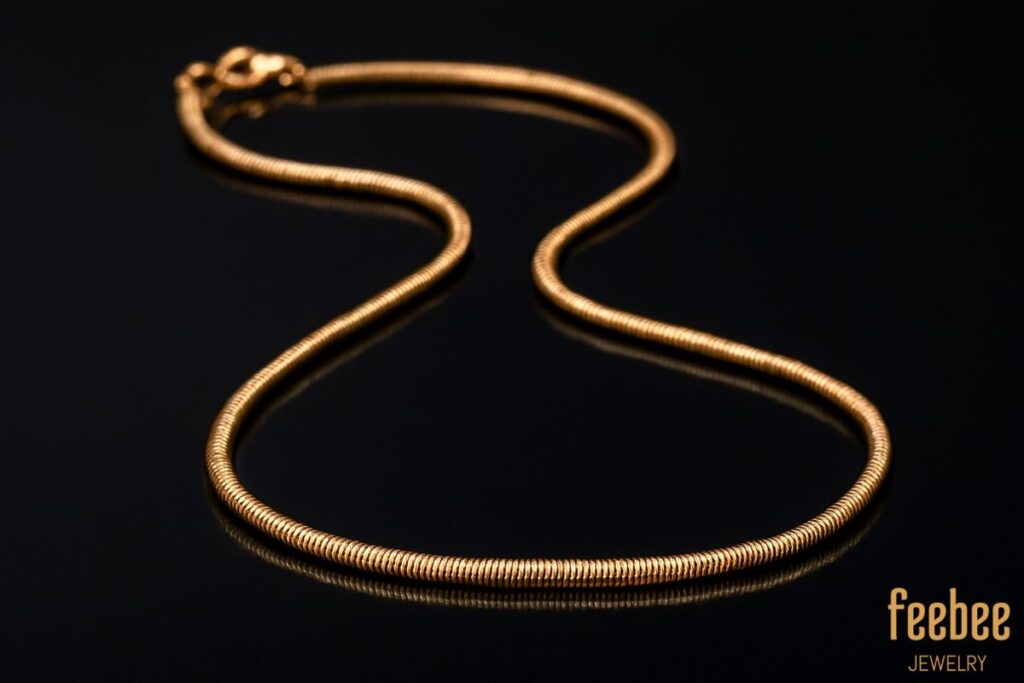
Snake chains are smooth and flexible and are made from tightly joined plates. They have a clean and modern look that pairs well with pendants and simple styling. But it is important to note that these types of chains don’t handle bending well. Once they are kinked, they will stay like that. This is not a flaw; it’s just part of how it is built.
If you’re selling or manufacturing snake chains, make sure to include care instructions. This chain does best when it is stored flat and handled gently.
Pros:
- It has a smooth and minimalist look.
- It is comfortable against the skin.
- It is great for small pendants.
Cons
- It is prone to kinking.
- Once the piece is damaged, it is hard to repair.
8. Wheat Chain
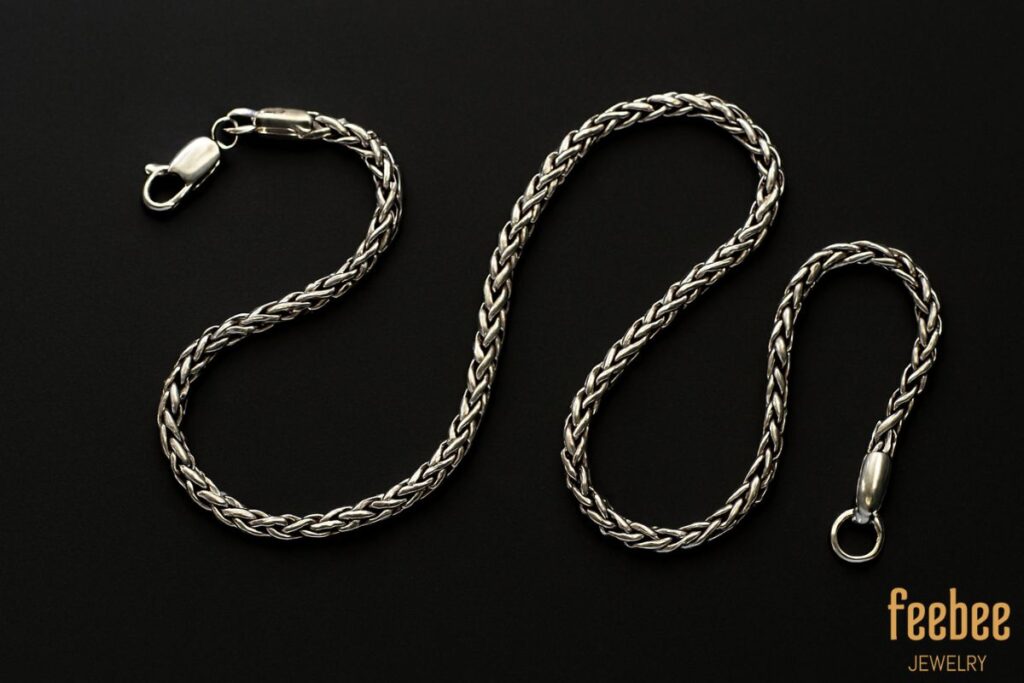
Wheat chains are named for their look. They are braided links that resemble woven wheat. They’re similar to rope chains, but they have a more structured, tighter, and more symmetrical weave. It has a smooth, rounded shape that feels solid but not heavy.
These types of chains are strong, flexible, and sit well on your skin. The texture adds quiet detail, which makes them a solid choice for pendants or wearing them on their own.
Pros:
- It is durable, flexible, and easy to wear.
- Its soft texture adds depth.
- It is great for layering or for pendants.
Cons:
- Wheat chains use more metal than similar styles, so they cost a bit more.
- Because of the braided pattern, it can trap dirt over time.
9. Figaro Chain
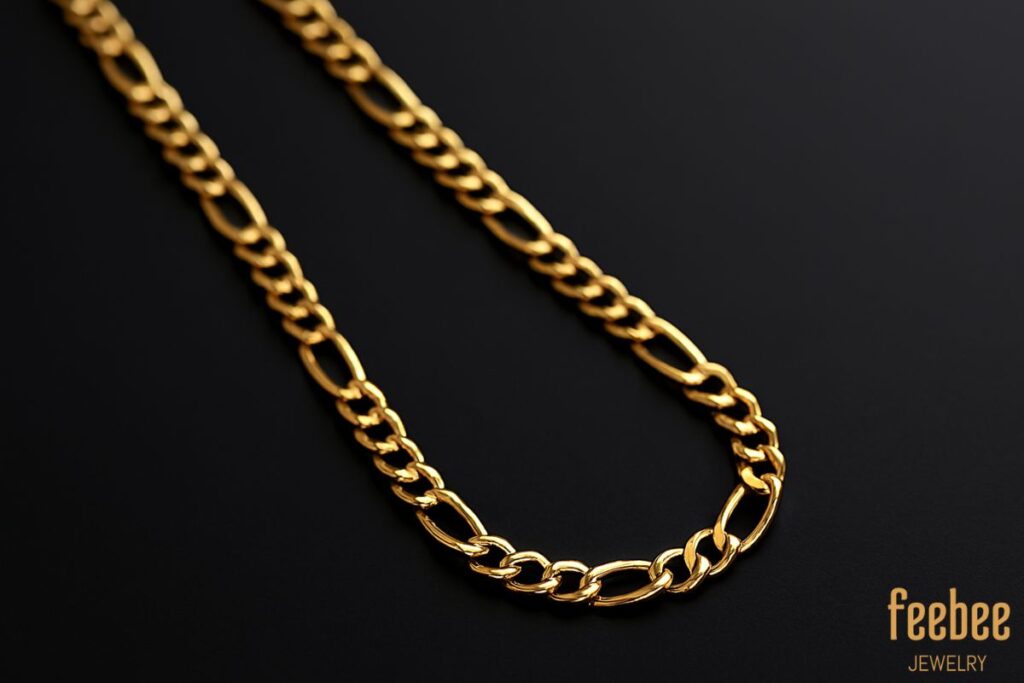
The Figaro chains follow a fixed pattern, usually two or three short links and then a longer one. It’s a subtle way to add rhythm to a piece without making a full statement. These types of chains work well with pendants, but only if the pendant doesn’t fight the pattern.
When it comes to layering, it works nicely with simpler chains like cable or box chains. The customers like it because it feels familiar but not boring. If you’re a seller or manufacturer, it is a safe style to stock in gold, stainless steel, and sterling.
Pros:
- It is visually appealing without being too loud.
- It is strong enough for everyday wear.
- It is easy to layer with simpler chains.
Cons:
- The heavyweight links that are used make it quite expensive.
- It is usually easy to fix, but if a link goes missing, it can be hard to find or make one that matches perfectly.
10. Cable Chain
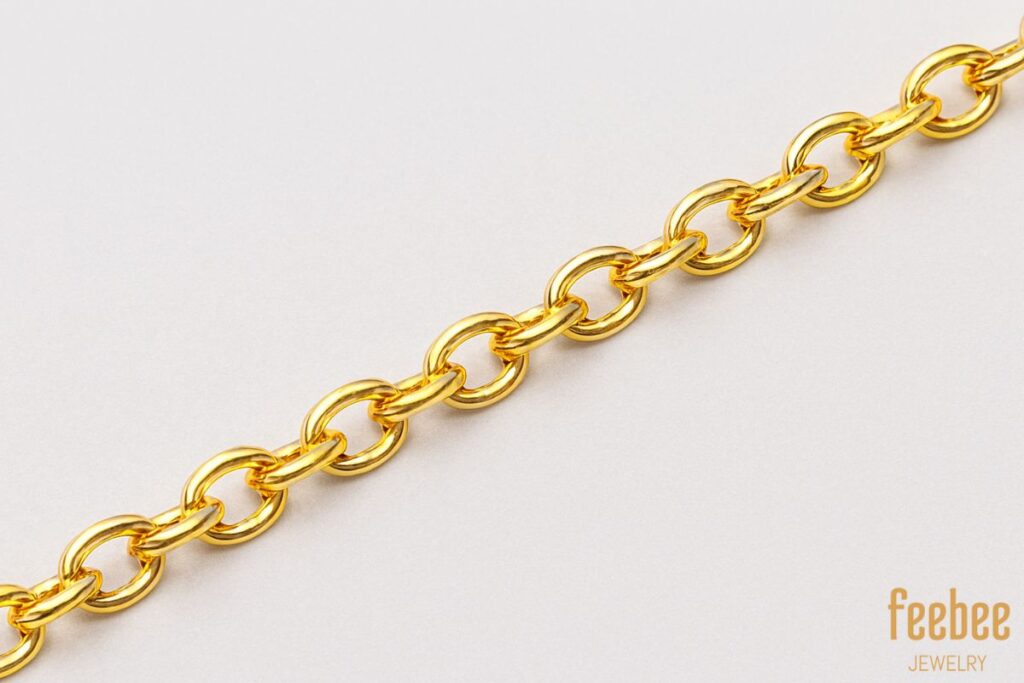
If we ask you to imagine a chain, you would probably think of this one. It is made of uniform oval or round links, and it’s the most basic chain style. It is simple, timeless, and easy to use with almost anything.
It’s the type of chain you reach for when you want something that doesn’t compete with your pendant, but still feels intentional. It is available in every metal finish, from high-polish stainless steel to matte gold vermeil. It truly is a staple in both minimalist and everyday collections.
Pros:
- It is strong enough for everyday wear and pendants.
- It is easy to repair and available in every metal.
- It is flattering and easy to style.
Cons:
- It can feel a bit too playful if it is worn on its own.
- The thinner version may tangle and snap under stress.
Care Tips for Jewelry Chains
Choosing the right chain is just the start. How you care for it makes all the difference. Whether you’re layering textures or building a go-to collection, these tips will help your chains stay beautiful and last longer.
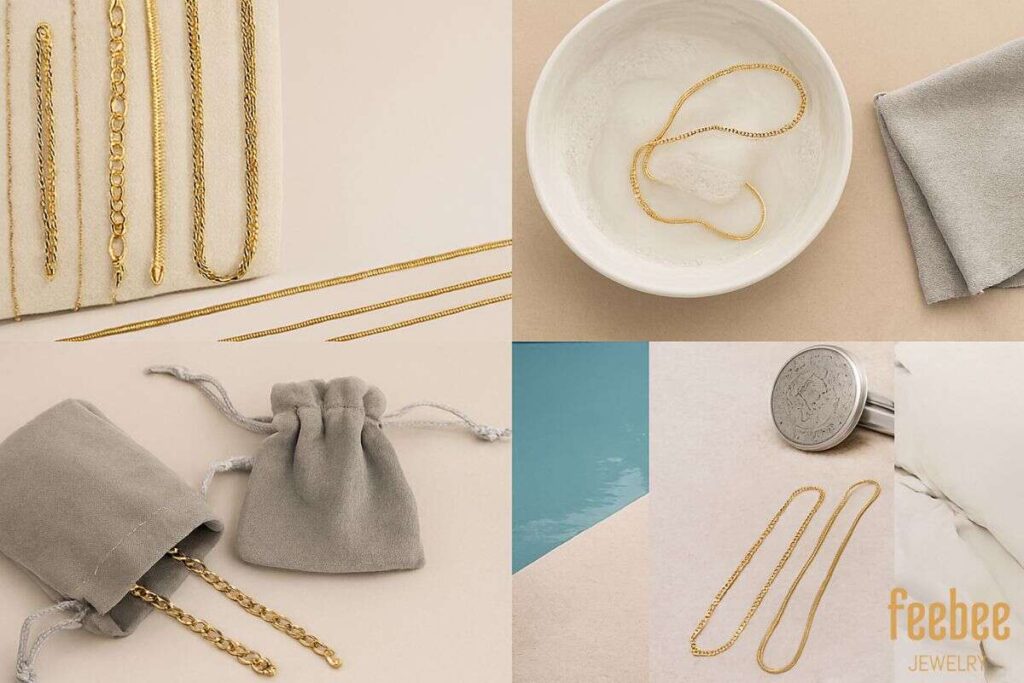
- Storage – Prevent tangling and kinking, especially with snake and herringbone chains, by storing them flat or hanging them up.
- Cleaning – Use a soft cloth and mild soap for stainless steel, gold, and platinum. Also, make sure to avoid using harsh chemicals on plated chains.
- Tarnish prevention – Make sure to keep silver and lower-karat gold away from moisture and air exposure by keeping them stored in anti-tarnish pouches.
- Wear habits – Remove your chains before swimming, showering, or sleeping. This will reduce the wear and tear. Also, make sure to check the clasps and links on a regular basis for signs of stress.
FAQs
What Are the Different Chain Types?
There are many different chain types, and they vary by link shape, their flexibility, and their visual weight. From basic styles like cable and box chains to more detailed ones like the herringbone, each chain serves a different purpose. Some are built for pendants, others for layering, and some are best worn on their own.
What Chain Style is Strongest?
The rope chains and wheat chains are among the strongest chain styles because of their interwoven structure. Box chains also provide excellent durability, especially in the thicker gauges. These types of chain styles are ideal for customers who prioritize longevity, and you, as a seller or manufacturer, who want fewer returns.
Which Type of Chain is the Best?
There is no universal “best” type of chain; it all depends on your customer’s needs. For everyday wear, the cable and box chains are reliable. And if your customer is looking for visual impact, the rope chains are great. The best chain is the one that will fit your customer’s lifestyle.
What Type of Chain is Best for Daily Wear?
The cable, box, curb, and wheat chains are top choices when it comes to daily wear. They are not only strong, but they are also comfortable and less prone to tangling or kinking. Stainless steel jewelry and high-karat gold version chains offer tarnish resistance and make them perfect for customers who want low-maintenance beauty.

Final Thoughts
When it comes to building trust through your jewelry, understanding the types of chains is very important.
Every type of chain will bring something different to the table. Curb, box, and cable chains are reliable for everyday wear. Rope and wheat chains give you strength with some added uniqueness when it comes to texture. The paperclip and figaro chains are eye-catching and stylish, but may be less sturdy than the classic designs.
And then we have the tennis chains that give you the sparkle, while herringbone and snake chains are smooth and have an elegant vibe, but require more careful handling.
Each chain type has its pros and cons. So knowing what makes them special is what will help you choose the one that is suited for your or your customers’ look and lifestyle.
At Feebee Jewelry, we believe in creating pieces that feel lived-in, loved, and unmistakably yours. Whether you’re creating a collection or choosing your next favorite chain, we’re here to help you find the perfect link between style and care.

Perry Xu