How To Choose The Best Chain For Pendant?
ByPerry Xu
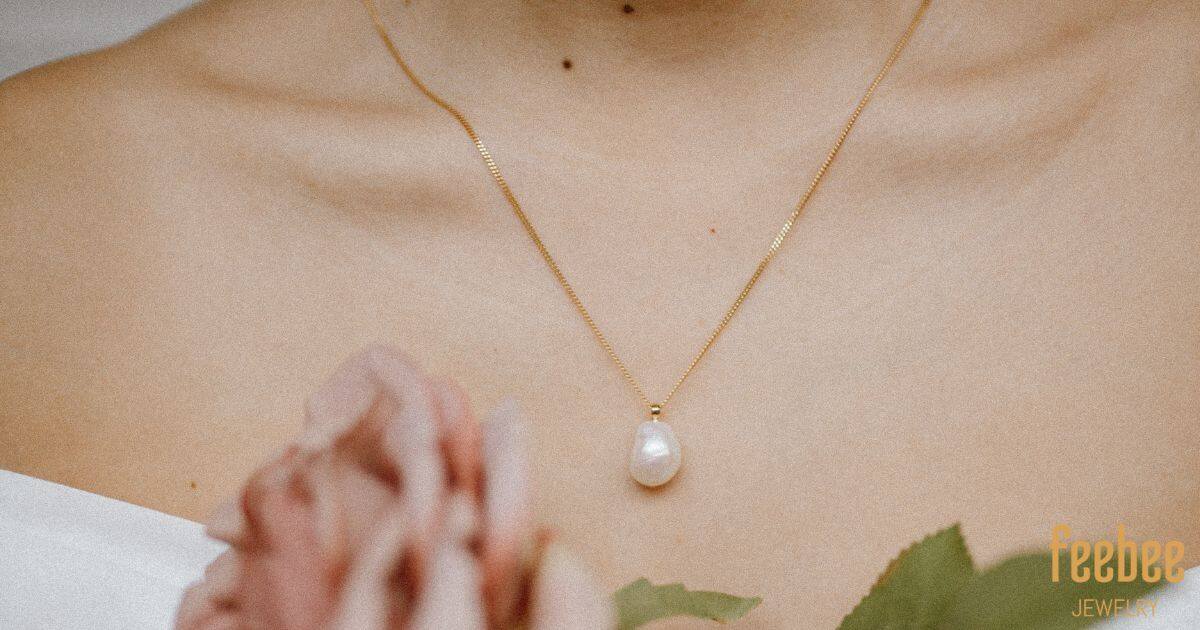
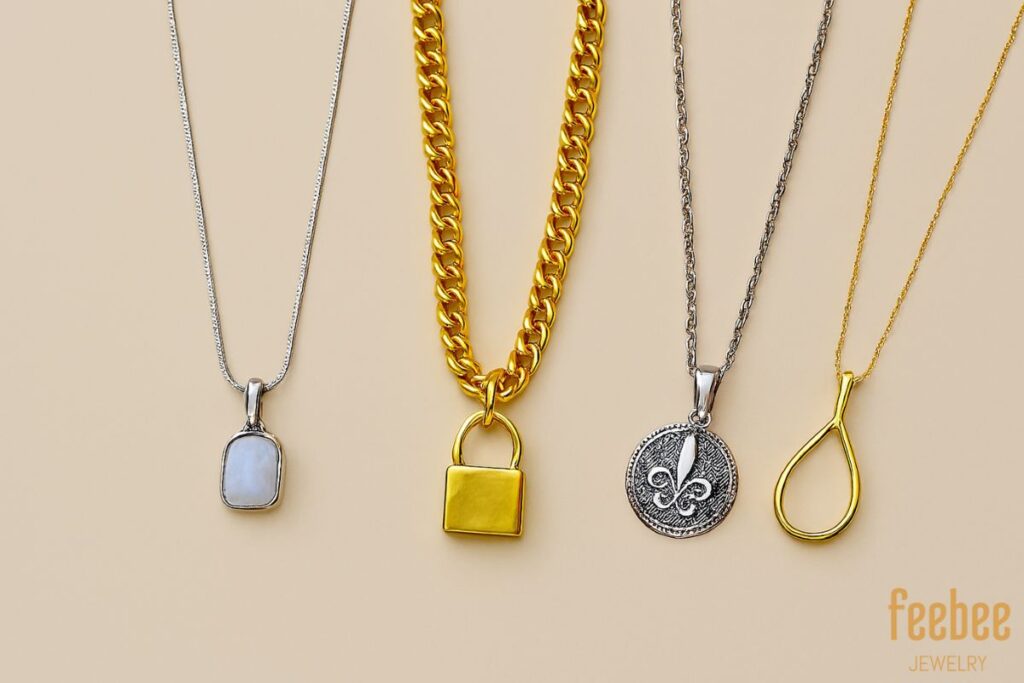
There’s more to choosing the best chain for pendant than just its looks. It’s also about its structure, proportion, and how the piece wears over time. A chain isn’t just a backdrop, it affects how the pendant sits, how it moves, and how it holds up with daily use.
In today’s guide, we look at the factors that shape a good chain match: Length, thickness, metal type, and chain style. Each detail plays a role in both the final design and the customer’s experience. When the pairing works, the pendant sits right, and the whole piece makes sense. So let’s get into it.
Contents
What to Consider Before Choosing a Chain?
Before we get into the chain specs, it is important that we first look at the pendant itself. You need to consider things like how it is meant to sit, the right size, and, of course, the personal style. These are the quiet details that shape the whole piece.
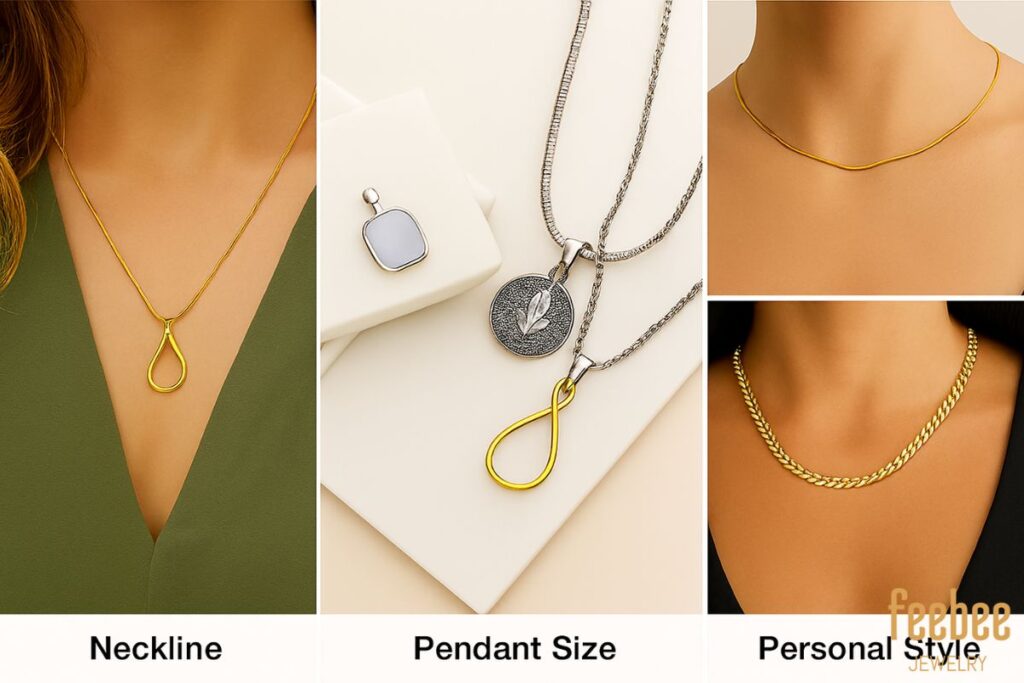
Neckline
The chain should sit well with the neckline it’s worn with. Shorter chains look good with open necklines. Longer ones work better with higher collars or layered looks. It’s all about keeping the pendant visible without it feeling crowded.
Pendant Size
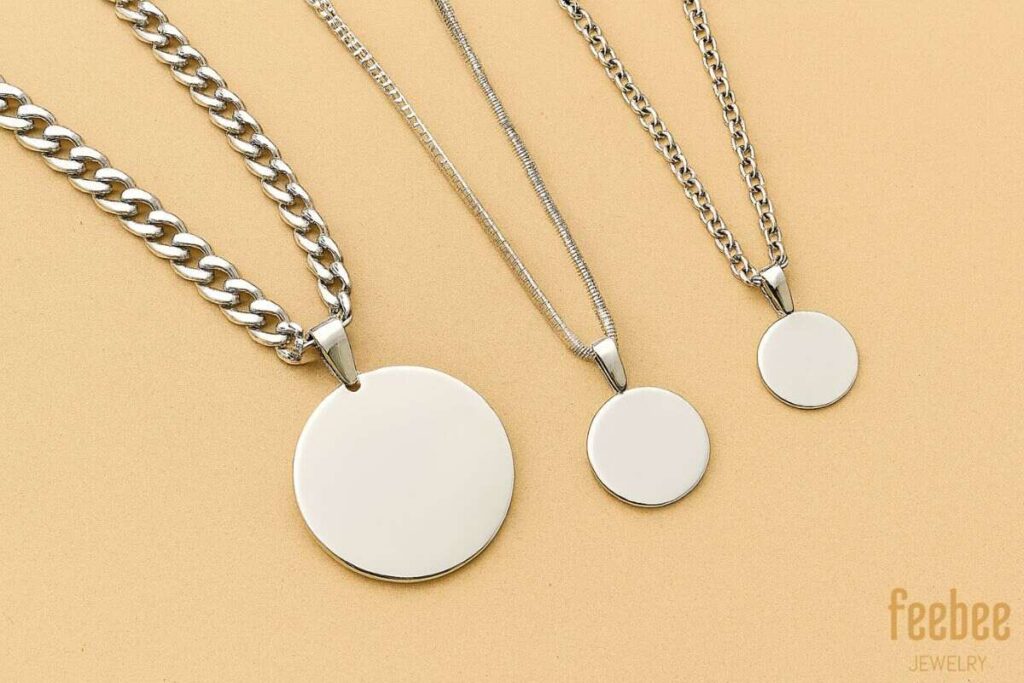
Big pendants will need stronger chains that won’t twist or droop, while the small pendants look better with finer chains that don’t overpower the design. It’s all about finding the right balance.
Personal Style
Some people want bold chains, while others want something cleaner and simpler. The chain should match the mood and personal style, whether that’s chunky, sleek, vintage, or modern. When it fits, it just feels right.
Factors for Choosing the Best Chain for Your Pendant
Now we get to the more technical part of choosing the best chain for pendant. Factors like choosing the right chain metal, the length, thickness, and even the right style can make all the difference, because when the chain’s off, everything feels off. Let’s take a look at these factors.
Choosing The Right Chain Metal For A Pendant
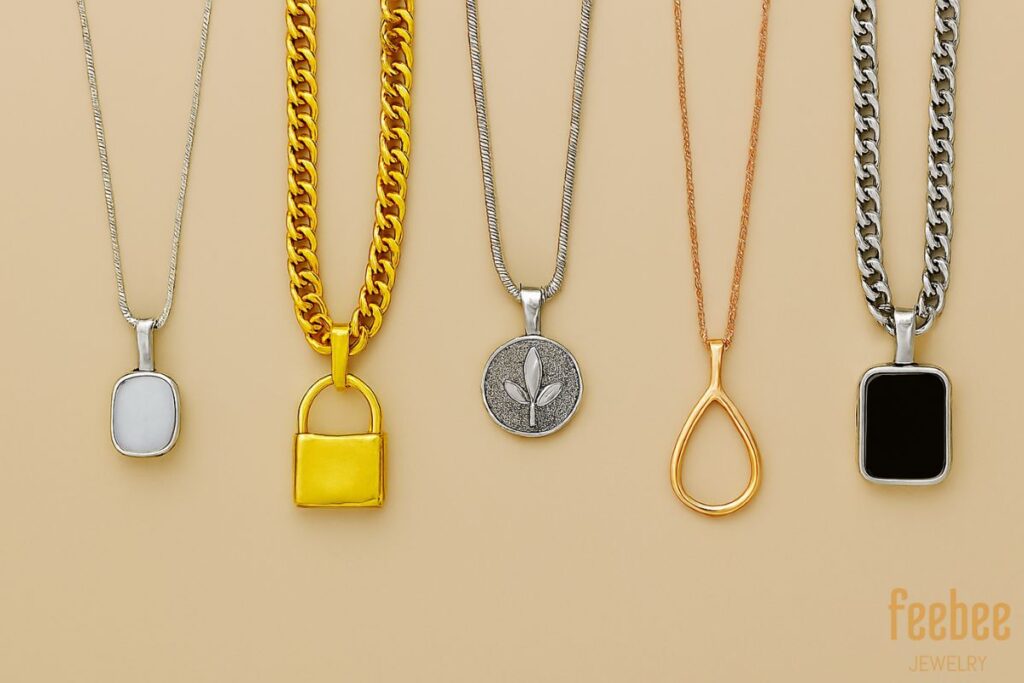
The color of the metal you choose for your chain is very important. It plays a role in how the pendant will look and feel. The chain should either be the same color as your pendant or have some sort of contrast.
Let’s have a look at the most popular pendant chain metals and what each one brings to the table.
- White gold – Clean and minimal. It keeps the focus on the pendant without adding extra warmth or color.
- Yellow gold – Classic and rich. It works best when you pair it with yellow gold pendants or warm-toned designs.
- Platinum – Durable and high-end. It adds weight and longevity, with a cool-toned finish that feels refined.
- Rose gold – Soft and romantic. It is especially good with blush-toned or delicate pendants.
- Stainless steel – Stainless steel jewelry is strong and low-maintenance. It’s a practical choice for everyday wear and modern styles.
Choosing The Right Chain Length for A Pendant
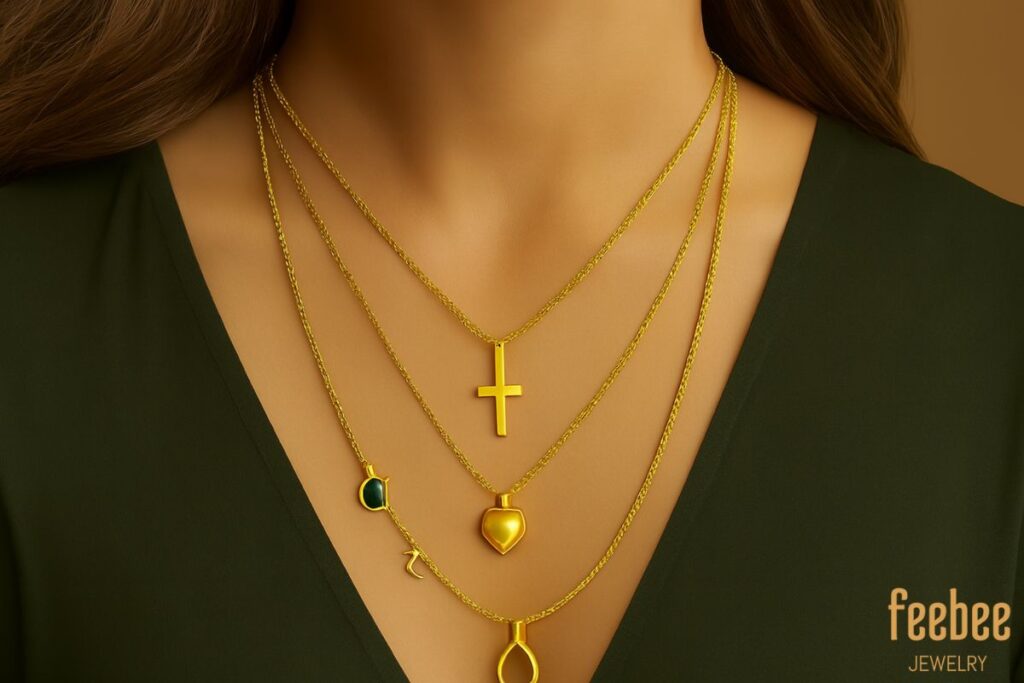
Chain length changes how a pendant shows up, how much space it gets, how far it drops, and how the whole piece feels. Here’s a quick look at the most common chain lengths and what they are suited for.
40cm (16-inch)
It sits high and close to the neck and is great for keeping the pendant tight and visible. And it works best when the goal is to highlight the piece without much movement.
45cm (18-inch)
This is the all-rounder. This chain sits just below the collarbone and works with most outfits. It is easy to style and easy to wear. If your customer is in doubt, this length usually makes sense.
50cm (20-inch)
This length adds a bit more drop. It gives the pendant room to move and softens the overall look. It is also good for layering or deeper necklines.
55cm (22-inch)
This length sits slightly lower than the 50cm. It offers more space and works well with pendants that need breathing room. And it is also great for stacking.
60cm (24-inch)
This is the longest length of the standard set. It sits near the bust and adds that dramatic touch. It’s best for bigger pendants like drops, tassels, or anything that has movement or weight.
Choosing the Ideal Chain Thickness for A Pendant
Choosing the best chain for a pendant is not only about choosing the right metal and length, but also considering the thickness.
Thickness sets the tone
Like we mentioned above, chains are not just about their length, but the thickness also plays an important part. They vary from delicate 1mm to bold 10mm styles.
The thickness shapes how the pendant is going to feel against your skin, how it’s going to move, and whether it’s going to look good. It is one of the first things you need to consider when pairing a chain with a pendant.
Check the bail fit
If the chain doesn’t fit through the pendant’s bail, it’s a no-go. But don’t worry, this is an easy check whether you’re holding it in the store or scanning through the specs online. It is one of the first things you need to do.
Match the chain to the pendant’s size
A thicker chain can handle a larger pendant, but make sure not to overdo it. If it is too bulky, it is going to throw off the balance and make the entire piece feel clunky. You want the strength, but without it visually looking heavy.
Balance the weight
A heavy pendant on a thin chain? That is literally a recipe for disaster! It is going to be uncomfortable for one, and the chain is going to get damaged. Rather go for a chain that is close in weight or has a wider surface area to spread the load. It will not only feel better, but it will last longer, too.
The 5 Best Chains For Pendants
There are plenty of chain styles that work well with pendants. What you choose all depends on how you want the piece to wear and the kind of look you’re going for in your collection. Here are some of the most common chain options that are the best for pendants.
Box Chain
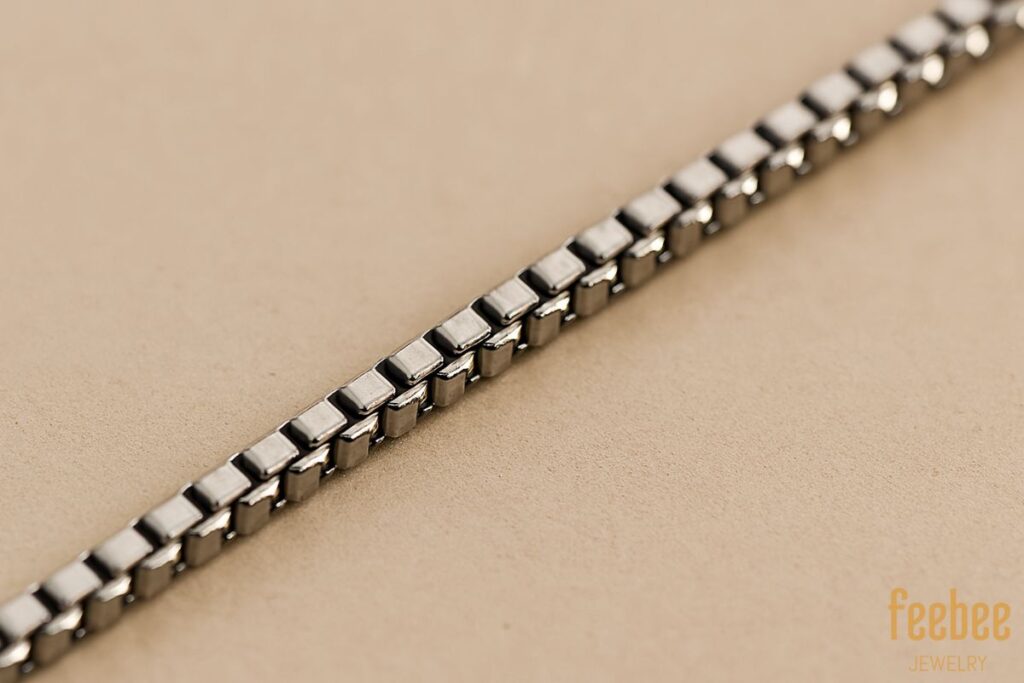
Box chains are made from small square links that lock together in a neat and even pattern. Their look is simple and solid. It’s not soft or flashy, it’s just clean and dependable.
Why it works for pendants
Box chains are on the thin side, but they are strong. This makes them a good match for pendants. They hold their shape, they don’t twist, and they help the pendant stay in place. If you want a chain where the pendant is the star of the show, this one does the job.
Pros:
- It keeps its shape.
- It is strong even though it is thin.
- It doesn’t take attention away from the pendant.
- It sits flat and feels stable.
Cons:
- If you bend it too hard, it can kink.
- It’s not very flexible.
Snake Chain
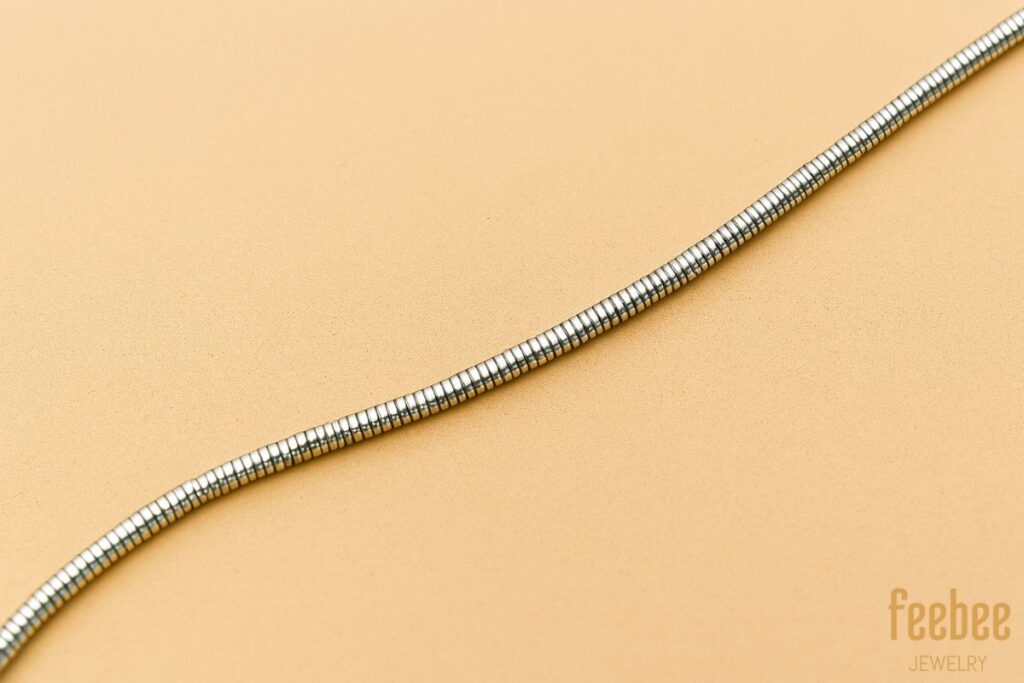
These types of chains are made from tightly packed links that then curve into a smooth, flexible line. It’s smooth all the way through, with nothing catching or breaking the line. What makes it great is that it sits flat, feels soft, and it doesn’t draw attention, unless you want it to.
Why it works for pendants
This chain is steady, and it lets the pendant hang cleanly without twisting or shifting. Its smooth surface helps the pendant to stay in the center, and the chain doesn’t compete. It’s best for lighter pieces that don’t need a lot of support, but still deserve a clean finish.
Pros:
- It is soft and flexible.
- It sits flat and feels smooth on your skin.
- It doesn’t take attention away from the pendant.
- It goes well with minimal or modern styles.
Cons:
- It is not ideal for heavy pendants.
- It doesn’t handle tension or tugging well.
- It can kink if you bend it too sharply.
Figaro Chain
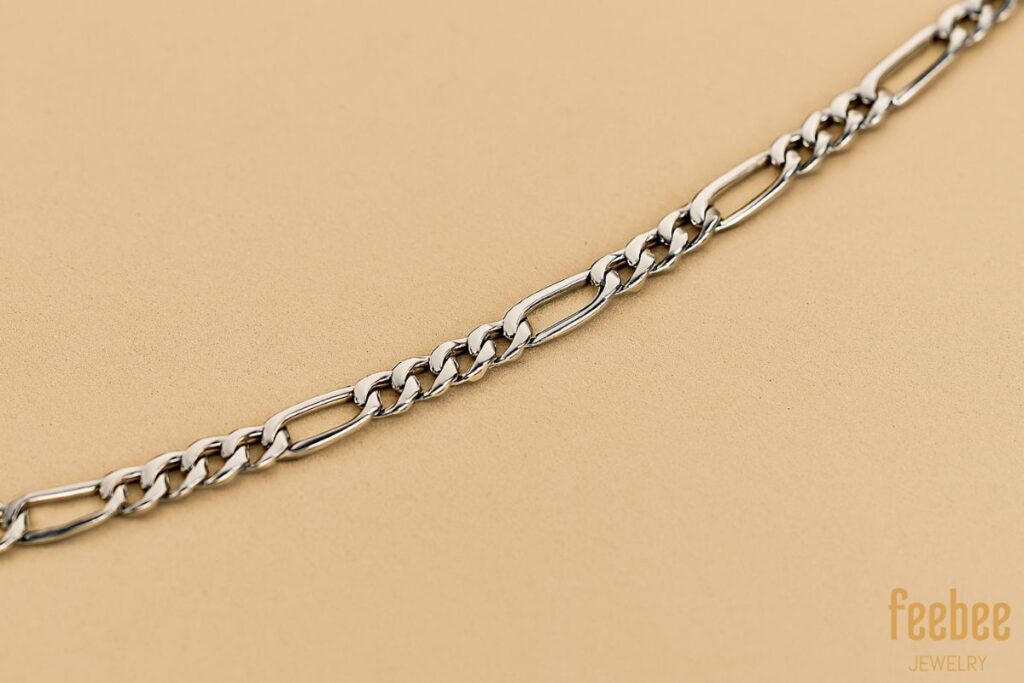
This type of chain follows a simple pattern: one long link, then a few short ones. That’s it. But the rhythm – long, short, short, short, is what gives it character. It’s structured, a little playful, and easy to spot once you know what you’re looking at.
Why it works for pendants
These chains can handle weight without looking bulky. The longer links give it breathing room, while the smaller ones keep it tight. It works with heavier pendants, but it also looks good with minimal pieces. Just make sure not to overload the wider styles. These ones are better left to stand alone.
Pros:
- The pattern stands out without being loud.
- It is strong enough to accommodate heavier pendants.
- It comes in a range of widths and finishes.
- It works well for casual and more dressed-up looks.
Cons:
- The wider styles can feel a bit too bold for delicate pendants.
- Its pattern isn’t subtle, so if you’re looking for a chain that disappears, this is not for you.
Curb Chain
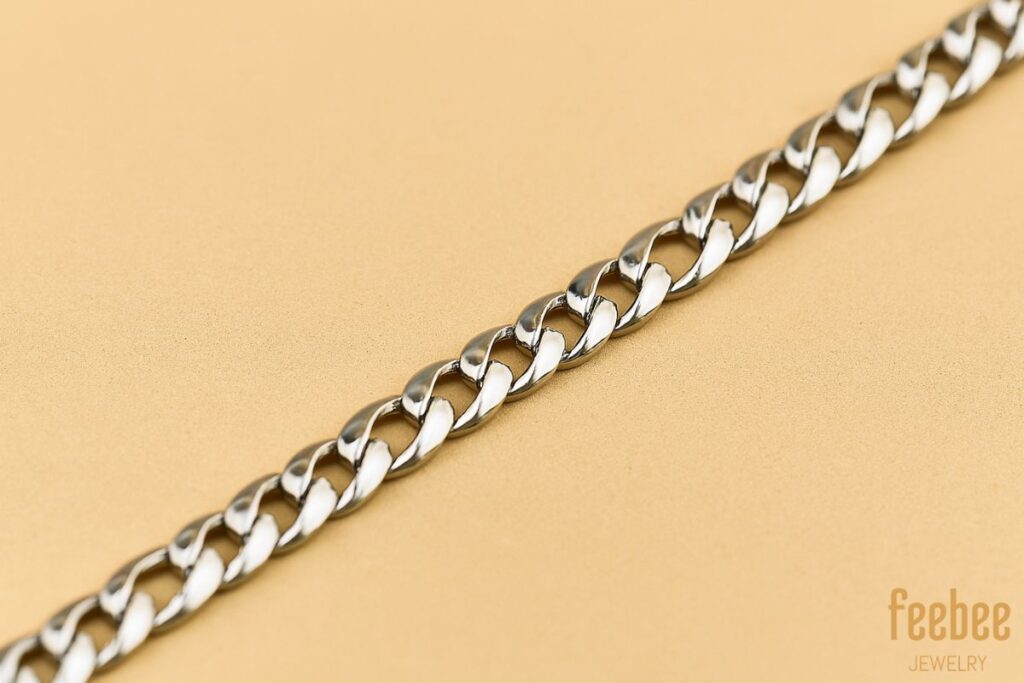
These chains are made from links that lie flat and stay put. Each one is shaped and twisted just enough to keep the entire thing smooth against your skin. No worrying about flipping or fussing with it. It’s the kind of chain that doesn’t ask for attention, but it earns it anyway.
Why it works for pendants
It has a steady base and is strong, balanced, and you don’t have to worry about it shifting around. They are a great match for pendants as they support the pendant without stealing the show. The slim curb chains stay subtle. The bold ones do all the talking.
Pros:
- They lie flat and don’t twist.
- They are strong enough to handle the heavier pendants.
- Available in slim and bold styles.
- It works for everyday wear or dressier looks.
Cons:
- The wider chain styles can overpower if the pendant is delicate.
- It’s not as flexible as the rounded chains.
Rolo Chains
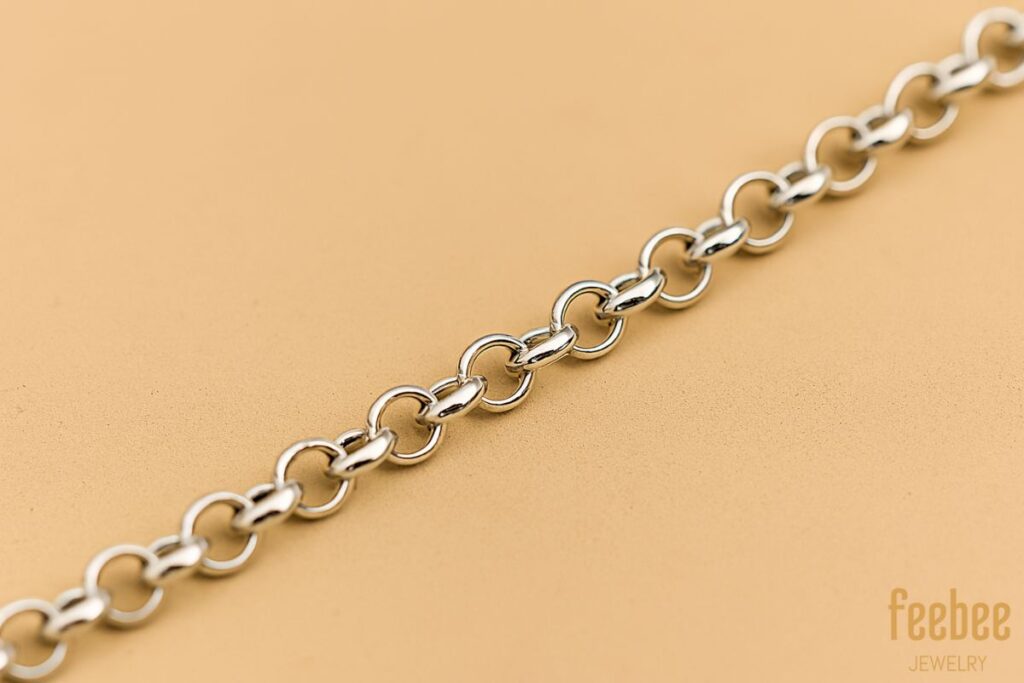
These types of chains are made from round links that lock into a steady rhythm. The links are the same size and the same shape all the way through. They stay consistent, which gives it a clean look that doesn’t beg for attention.
Why it works for pendants
These types of chains hold their shape and don’t twist, which makes them great for pendants that need a stable base. The round links may give it a soft look, but the build is strong.
It’s the kind of chain that goes well with other chains, whether you’re adding a bold centerpiece or keeping things on the minimal side. And yes, it’s durable enough for your customers to wear every day. This chain type rolls with it.
Pros:
- The even and round links make the chain feel balanced.
- It is strong enough to wear every day.
- It works well with both bold and subtle pendants.
- Available in different metals, lengths, and thicknesses.
Cons:
- It is not as flexible as some finer chains.
- It can feel a bit chunky in the thicker styles.
FAQs
What Type of Chains Are Best for Pendants?
The types of chains that are best for pendants are the ones that sit flat and stay steady. The box, curb, and rolo chains give support without stealing attention away from the pendant. The dainty chains stay in the background while the chunky ones take the lead.
So, make sure to choose a chain that matches your pendant’s weight and its style. It should carry your pendant not compete with it.
Is a 2.5mm Chain Good for Pendants?
Yes, a 2.5 chain is usually a good option for most pendants. This width will offer a balance between strength and subtlety. It is sturdy enough for lightweight and medium-sized pendants, but not too bulky. It also lets your pendant stand out. If you want to add very large or heavy pendants, you will need to consider a thicker chain. For most everyday pendants, a 2.5mm chain offers durability and style.
What is the Best Thickness of Chain for a Pendant?
The best thickness of chain for a pendant is the one that matches your pendant’s weight and vibe. Around 1.5mm to 2.5mm works for most pieces. It is thin enough to stay subtle, but thick enough to hold steady. If the pendant’s heavy, don’t go too dainty. The chain should feel balanced, not like it’s doing overtime to keep up.
How Heavy Should a Chain Be for a Pendant?
The chain should feel balanced with the pendant. It should not be too light that it pulls, but not too heavy that it overpowers. Around 3 to 6 grams works for most pieces, but you can go heavier if the pendant’s chunky. The goal here is simple: the chain should carry the weight of the pendant without looking like it’s struggling.
Final Thoughts
When it comes to choosing the best chain for pendant, it’s all about finding the link that makes everything click. The right chain doesn’t just hold your pendant, it completes the story.
It is all about finding the right fit from styles like box, snake, Figaro, curb, or rolo chains. Each of these styles will provide you with unique strengths. And when you match the right length, thickness, and metal, your pendant will truly shine. By just paying attention to these details, you will ensure that your pieces wear comfortably and last.
If you’re tangled up with choices or just want a little advice, our team at Feebee Jewelry is always ready to lend a hand. We love helping you find that perfect piece that feels just right. Contact us today, and let us help you find the perfect chain for your next pendant.

Perry Xu