Does Stainless Steel Jewelry Tarnish? The Definitive Guide
ByPerry Xu
Stainless steel jewelry is really making a name in the jewelry industry. But there always seems to be the one question that pops up: “Does stainless steel jewelry tarnish?”
In today’s blog, we cover what stainless steel is made of, whether it really tarnishes, factors that influence it, and prevention tips. So let’s begin!
Contents
Understanding Stainless Steel
Before we go on to answer the question, “Does stainless steel jewelry tarnish?” Let’s first look at what stainless steel jewelry is all about.
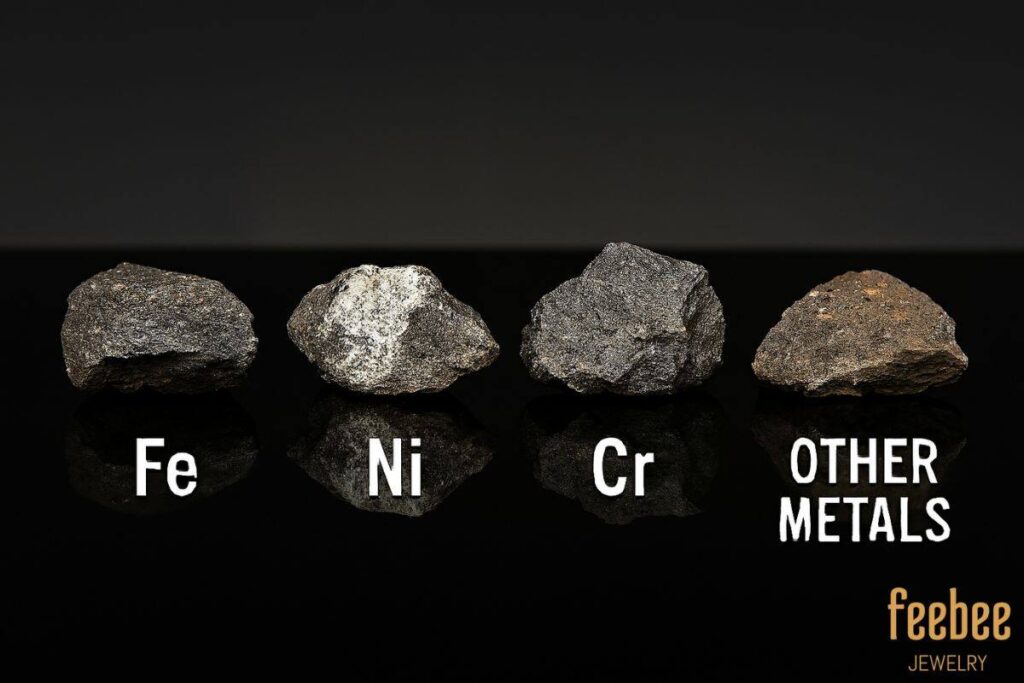
Stainless steel is mostly iron, with a small amount of chromium mixed in. This chromium forms a protective layer on the surface, which then helps it stay smooth and keep the rust from making its appearance.
But stainless steel isn’t just iron and chromium. It often also includes other metals like nickel, molybdenum, or sometimes even titanium, depending on the grade you choose.
Nickel is the one you need to keep a close eye on. Yes, it strengthens the alloy and adds shine to it, but it can also sadly cause skin reactions to customers who have skin sensitivities.
High-quality, jewelry-grade stainless steels, for example, 316L or “surgical steel” are the best choice. This type of stainless steel is hypoallergenic and is safe for your customers to wear every day.
Read more: Is Stainless Steel Good for Sensitive Skin?
Tarnish vs. Rust: What’s the Difference in Jewelry?
Tarnish and rust get thrown around like they’re the same thing, but they’re not even close. Tarnish is more of a surface thing. You will see it on silver or copper when they react with air, moisture, or even the oils from your skin. It shows up as that annoying dull, cloudy film that makes your jewelry look a little tired.
The good news? Tarnish doesn’t eat into the metal. Just a quick polish and you’re back in business.
Now, when we look at rust, it is a whole different story. Rust is corrosion. What happens is the iron reacts with the oxygen and water and then creates iron oxide. Unlike tarnish, rust doesn’t just sit on the surface, it weakens the metal itself. This is why stainless steel is such a favorite in jewelry and is loved by so many jewelry enthusiasts. The reason comes down to one key element in the mix.
The chromium in the alloy forms a protective barrier that keeps the rust from creeping in and lets your pieces keep their shine factor.
Does Stainless Steel Jewelry Tarnish?
The short answer to: “Does stainless steel jewelry tarnish?” Would be no. It doesn’t rust either. And because of this, it has become a no-brainer in jewelry. It is strong, skin-friendly, and you don’t need to polish it every single week.
The long answer to the question is: stainless steel is an alloy, which just means it’s a mix of metals. The one that matters here is chromium. When chromium hits oxygen, it reacts and forms a thin layer on the surface. You don’t see it, but it’s there, and it keeps the water, sweat, and daily wear from eating into the metal.
Now, silver and copper don’t have this kind of luxury or backup, which is why they darken fast. Stainless steel, on the other hand, stays put. Whether it is long days, quick showers, or even workouts, it can handle it and won’t tarnish.
Does Gold-Plated Stainless Steel Tarnish or Fade?
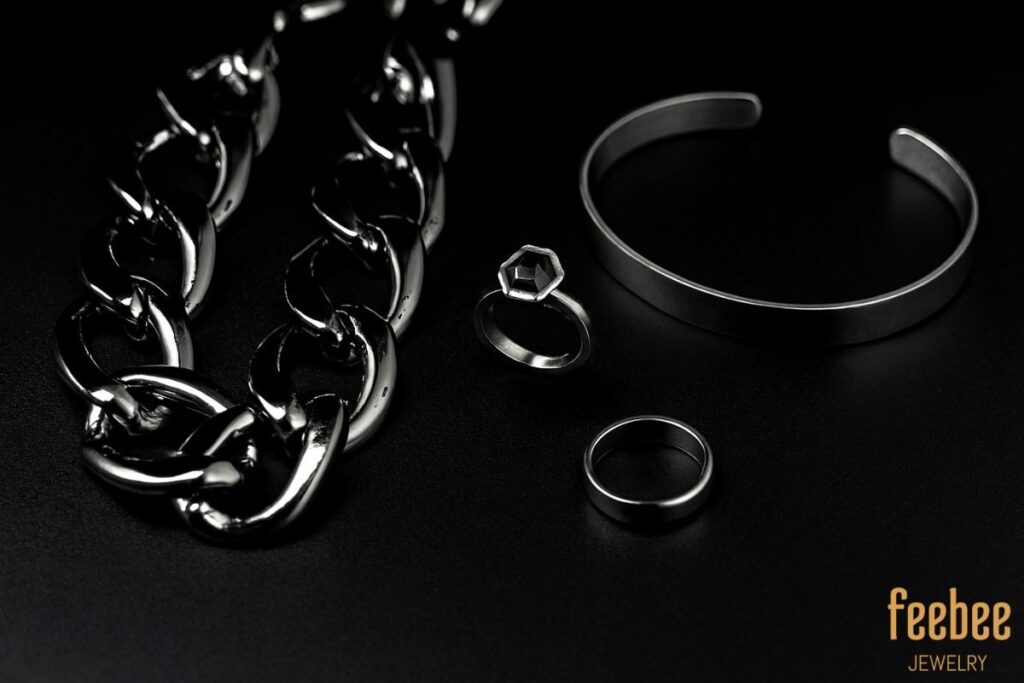
Gold-plated stainless steel can fade. The gold layer on top isn’t forever. It’s a thin coating, and with things like daily wear, water, sweat, lotions, or even just rubbing against your skin, it can slowly start to wear down.
But here’s the part that most people forget about: the base is stainless steel. This means your jewelry won’t tarnish or rust underneath. The stainless steel holds its shine and resists corrosion. So even if the gold softens and begins to fade, your piece itself will stay solid.
How long the gold-plating will last will depend on the following things:
- How thick the gold layer is.
- How often you or your customer wears it.
- How it is taken care of.
Things like choosing a heavier plating, giving it a quick wipe down after you wear it, keeping it away from harsh chemicals, as well as storing it properly will help the gold plating last longer.
So no, it doesn’t tarnish like silver or brass. But yes, the gold finish will eventually fade. Unfortunately it’s just the nature of plating.
What Affects Stainless Steel Jewelry and How to Prevent It?
Stainless steel jewelry doesn’t tarnish the way silver or brass does, and this is one of its biggest perks. But like everything in life, it can still show some wear. Certain conditions can speed that up and then affect how your jewelry looks over time. So here are a few factors you need to keep in mind when it comes to your stainless steel jewelry line.
Saltwater & Chlorine
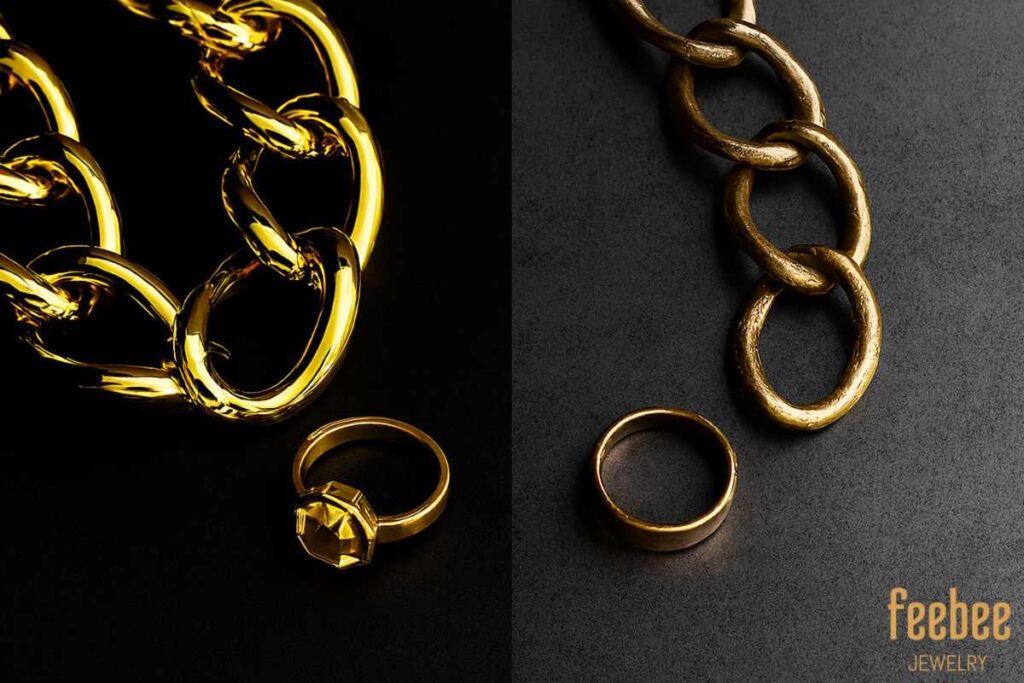
The chlorides in the saltwater and chlorine in the pools can break down the protective chromium layer. And this is what keeps the stainless steel safe.
So, make sure to rinse your pieces with fresh water afterward and dry them well to keep them looking fresh. Or if you want to play it safe, just remove your pieces before going for a swim in the pool or sea.
Sweat & Skin Contact
Your sweat contains salt, and over time, this can cause wear on your stainless steel jewelry. So if you or your customers are wearing your stainless pieces to the gym or on hot days, make sure to give it a quick wipe after the day is over. Yes, it is a small step, but trust us, it will make a big difference.
Harsh Chemicals
Yes, stainless steel is tough, but strong chemicals like vinegar, bleach, and even some perfumes and lotions can attack the surface of your pieces.
So if you know you are going to spring clean, or wear certain perfumes or lotions, rather take your stainless pieces off, you can always put it back on when you’re done.
Airborne Sulfur & Pollution
If you live in an area that is near the coast or an industrial area, believe it or not, the sulfur compounds in the air can react with metals. And this includes stainless steel, and it can cause your pieces to discolor.
So make sure to store your stainless steel jewelry in a dry, closed container.
Everyday Wear & Tear
Things we don’t even think about like the friction from your jewelry rubbing against other jewelry, your zippers , or even just wearing it every single day, can cause the protective layer to thin over time.
So make sure to regularly clean your stainless steel jewelry. A mild soap and water, plus the proper storage, will do wonders and help your pieces stay bright.
Read more: How to clean Stainless Steel Jewelry.
FAQs
How Long Does Stainless Steel Jewelry Last?
Well, it can last years and sometimes even decades when you treat it right. The chromium oxide layer resists rust, tarnish, and everyday corrosion, so your custom stainless steel jewelry will keep its shine without you having to babysit it.
All you have to do is rinse your jewelry after a day when you might have sweated a little, or if you were swimming. Make sure to then dry it well and store it smartly. This way, your stainless steel jewelry will stay bright, durable, and low-maintenance.
Can I Shower With Stainless Steel Jewelry?
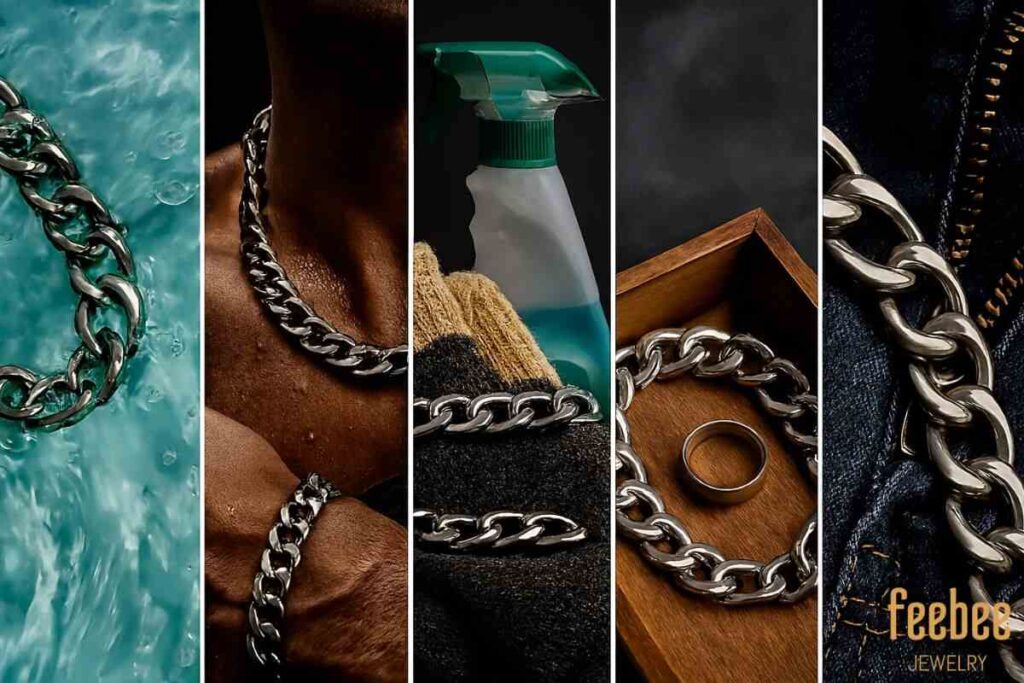
Yes, you can shower with stainless steel jewelry because it is rust and tarnish-resistant. The daily water won’t damage it, but things like your soaps and shampoos might dull the shine of your pieces over time. A quick rinse and dry after a shower will keep it fresh.
Read more: Is stainless steel jewelry waterproof?
What Are the Downsides of Stainless Steel Jewelry?
Stainless steel jewelry is not perfect, and it has some downsides, such as:
- It’s hard to resize or customize if the details are intricate.
- It’s heavier in chunky pieces.
- Some alloys contain nickel that can irritate those who have sensitive skin.
- Chlorine and harsh chemicals can dull the finish over time.
- It won’t gain value like gold.
If you want to know a bit more on the topic, read the pros and cons of stainless steel jewelry.
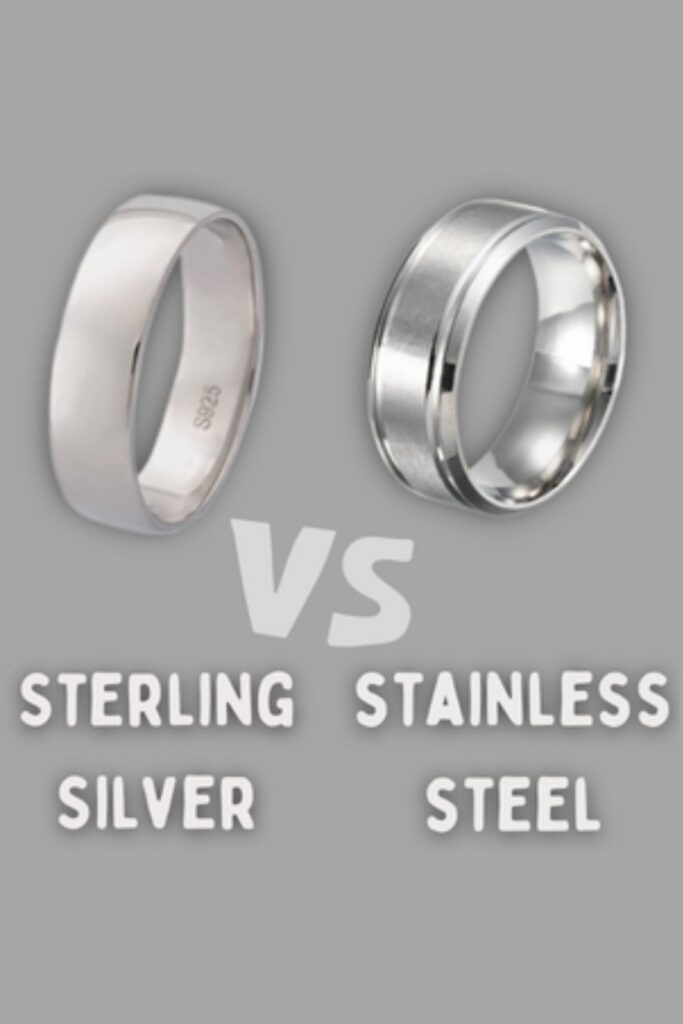
Is Sterling Silver or Stainless Steel Better?
When it comes to stainless steel vs sterling silver, it all depends on what you’re looking for. Sterling silver has that classic shine and prestige, but it scratches easily and needs polishing. Stainless steel, on the other hand, is tougher, resists tarnish, and doesn’t demand much upkeep.
The better option will all come down to your lifestyle, budget, and how much maintenance you’re willing to put in.
(Source: Pinterest)
Final Thoughts
So, does stainless steel jewelry tarnish? No, it is made to resist tarnish and rust, and it is one of the most dependable metals if you’re looking for jewelry you can wear every day.
Have questions or just need a second pair of eyes when choosing your pieces for your collection? At Feebee Jewelry, we bring years of hands-on experience to the table. We will help you design pieces that feel authentic, timeless, and impossible for your customers to resist.
So, let’s connect today and take your jewelry line to the next level. Because when it comes to stainless steel, the only thing that should fade is doubt.

Perry Xu