Brass vs Sterling silver: Which one is right for you?
ByPerry Xu
When it comes to jewelry, most of the customers look for shine, comfort, and price. Keep in mind that the metal you choose would affect all these customers’ demand. There are many kinds of metals used for making jewelry, and brass and sterling silver are among them.
So, you might be wondering: brass vs sterling silver, which is the ideal option for your jewelry line? That’s why we are writing this blog to provide a detailed comparison of both metals in terms of durability, appearance, comfort, and many more. So, keep reading!
Contents
What is Brass?
Brass is a metal alloy composed mainly of zinc (Zn) and copper (Cu) in a 30-40% to 60-70% ratio, respectively. The special thing about brass jewelry is that it looks like real gold; thus, you can make your customers happy by giving them gold-like jewelry at a minimum price.
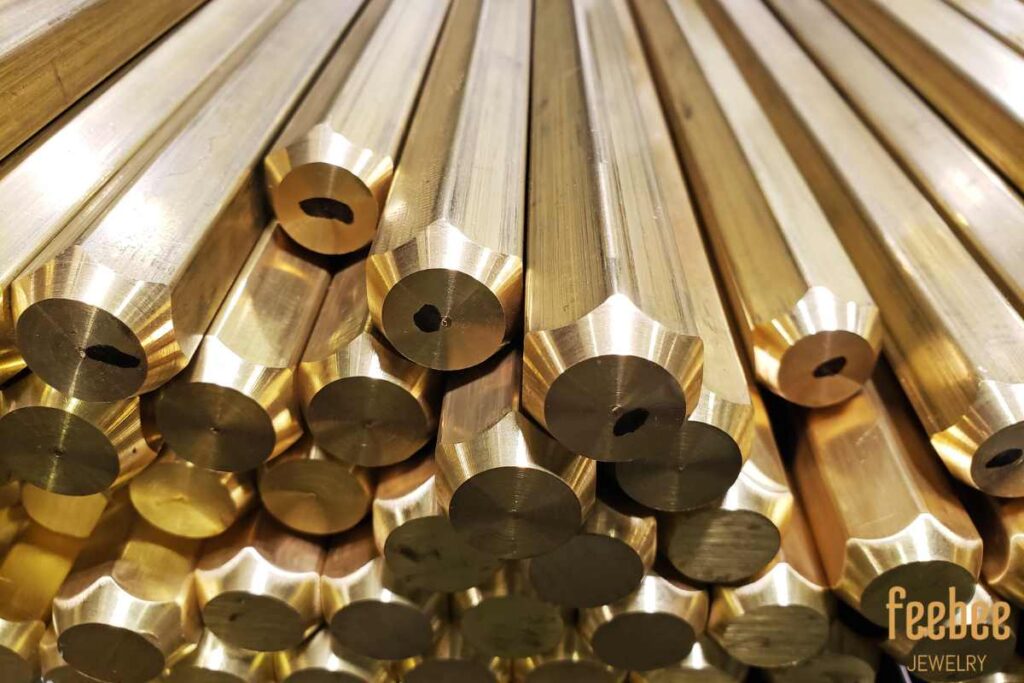
Grades/types of Brass jewelry
| Composition (Approx.) | Special Features | Common Uses in Jewelry | |
| Red Brass | 85% Copper, 15% Zinc | Warm reddish tone, good corrosion resistance | Vintage-style jewelry, beads |
| Yellow Brass | 65% Copper, 35% Zinc | Bright gold-like color, easy to work with | Bracelets, earrings, pendants |
| Cartridge Brass | 70% Copper, 30% Zinc | Excellent ductility and polish | High-end costume jewelry |
| Naval Brass | 60% Copper, 39% Zinc, 1% Tin | Extra corrosion resistance | Jewelry for humid or coastal areas |
| Leaded Brass | 60% Copper, 37% Zinc, 3% Lead | Easy to machine and engrave | Engraved charms, intricate designs |
Pros of Brass in Jewelry
+ Sturdy and can be easily shaped.
+ More affordable than gold, yet it has a similar luster.
+ Economical for bold styles and mass production.
Cons of Brass in Jewelry
– Patina and tarnish accumulate rapidly.
– It could lead to skin discoloration or irritation.
– Considered irrelevant in the context of luxury materials.
What is Sterling Silver?
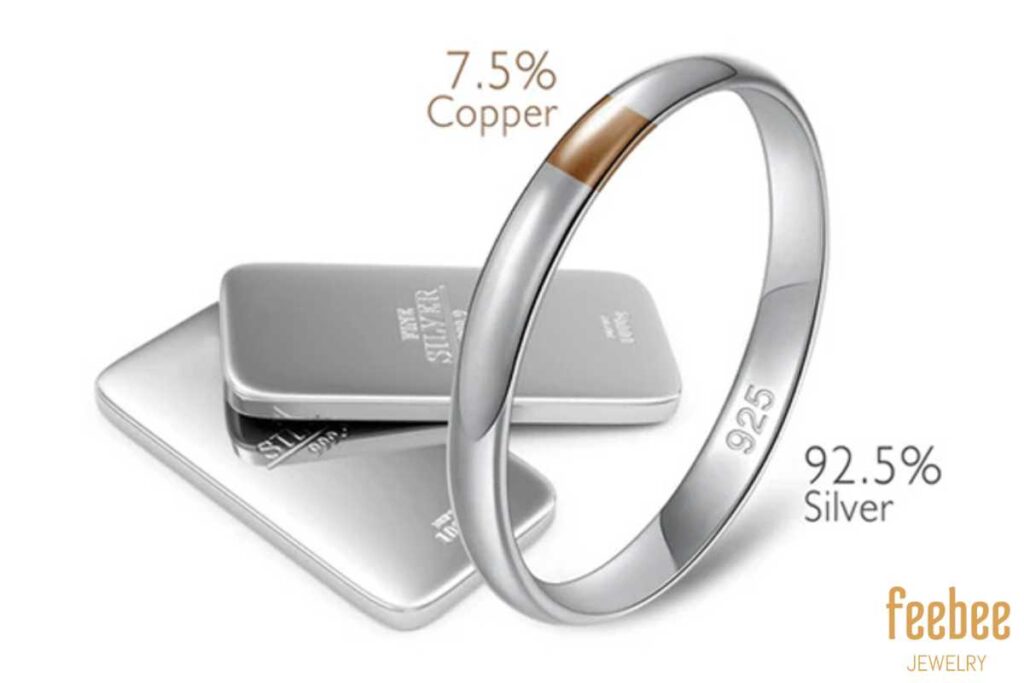
However, the other option is to try a sterling silver. It’s a very precious metal as it is made from 92.5% pure silver and 7.5% copper. You know, with its bending with other metals is very crucial; otherwise, silver alone is too soft to be used in jewelry.
Also, you may hear about 925 silver. Don’t get confused here, as it’s the other name of sterling silver, which shows that it contains 92.5% silver.
Pros of Sterling Silver in Jewelry
+ Hypoallergenic (mostly).
+ Durable and retains value.
+ Attractive, bright, and premium.
Cons of Sterling Silver in Jewelry
– More expensive than brass.
– Scratches and bends more easily.
– Needs maintenance to avoid tarnishing.
Features comparison: Brass vs Sterling silver
Now, you might have developed an idea about both the metals. However, as you are thinking of adding such meta jewelry to your business line. So, it’s very crucial to weigh down both in terms of their features, like durability, price, etc.
But don’t worry! Here, I have tried my best to tell you a complete difference between the two metals. However, at last, the choice will be up to you to decide which is best according to your business needs. So, let’s dive in!
Appearance and Style Compatibility
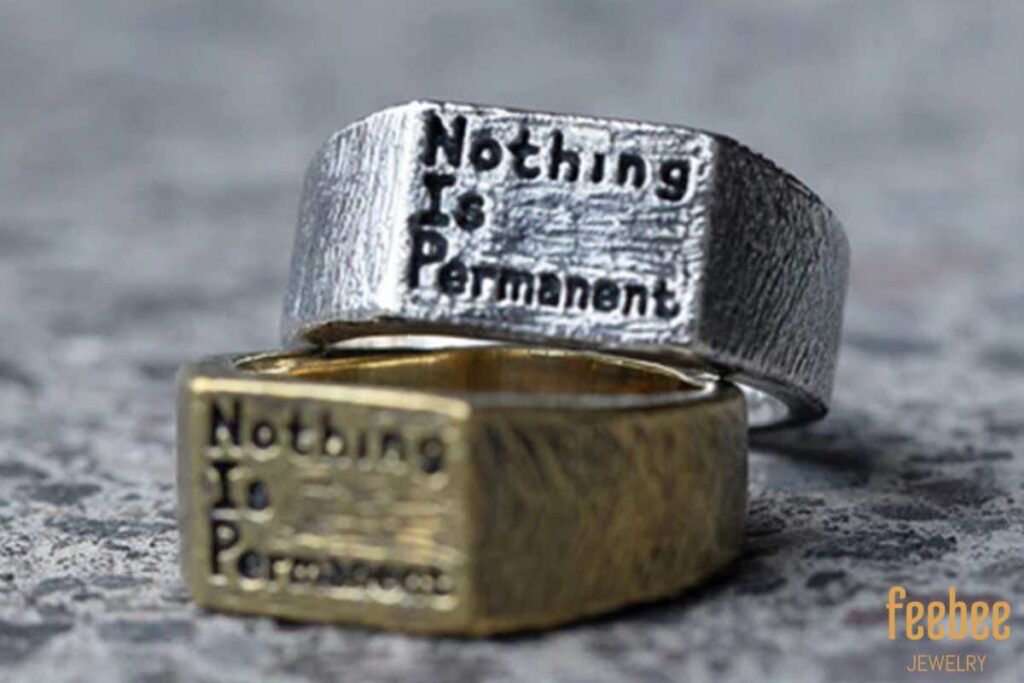
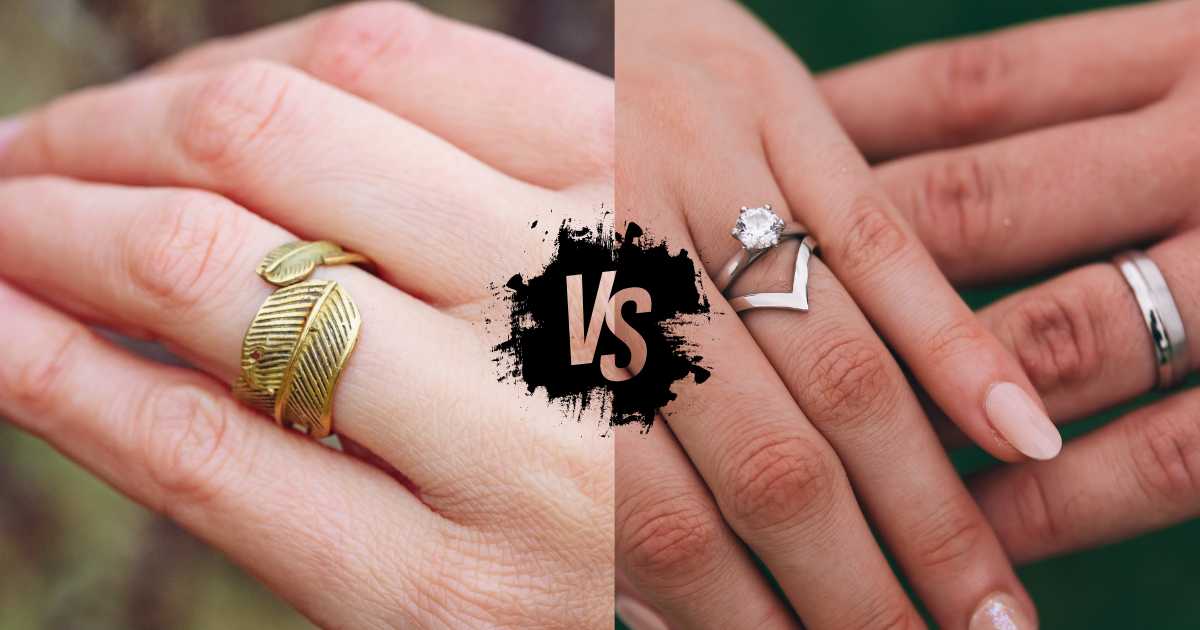
Brass: As mentioned earlier, brass is primarily composed of copper (approximately 60 – 70%) and zinc (approximately 30 – 40%). You know, actually, this combo of metals gives brass a warm, gold-like shade.
The reason is that copper is present in reddish tone and Zinc has a silvery-white hue, so when both are combined create a gold-like look. You can try mixing these colors at home for a better understanding.
Sterling Silver: On the other hand, the dominance of silver in sterling silver gives it a bright silver colour. Here, the interesting point to note is that although metal softness has a drawback in terms of durability, it also comes in favor.
For instance, soft surfaces cause the light to reflect in one direction, thus giving metals a shiny and brighter look. Thus, more elegant and classic jewelry surely complements sterling silver. Also, the metal’s neutral color tends to work well with almost any casual or formal attire.
Durability and Tarnish Resistance
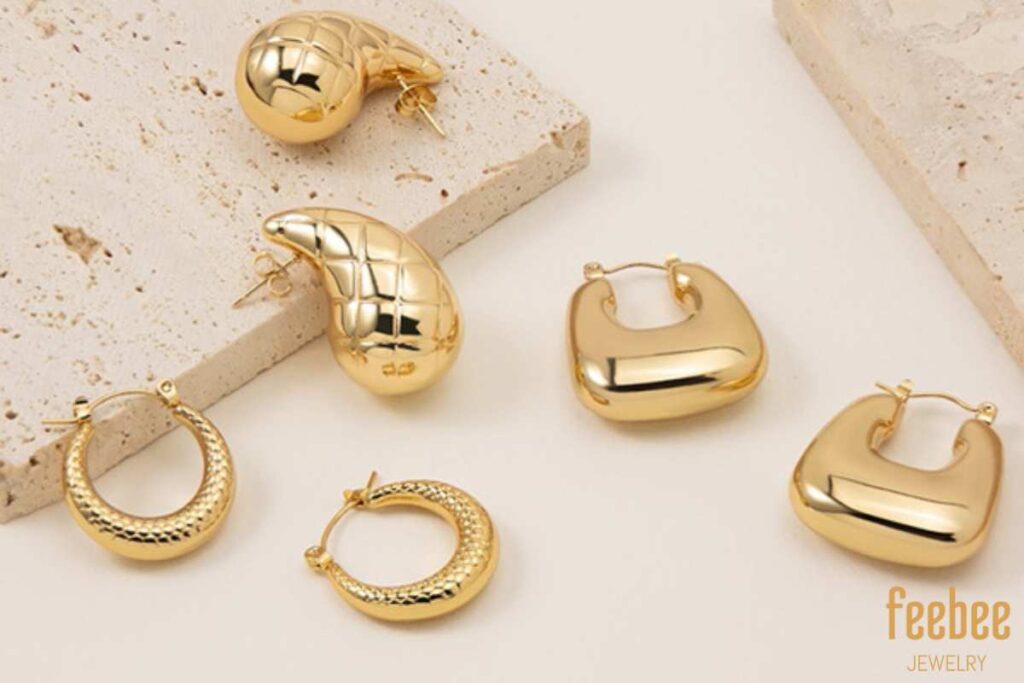
Brass: You know the copper and zinc blend not only gives brass a gold look, but also makes it relatively strong. However, there is a drawback that both metals can tarnish over time.
For instance, when brass jewelry gets exposed to air or moisture, then results in a thin layer that accumulates over time and gives brass a brown or greenish surface called patina.
Sterling Silver: In contrast, sterling silver is softer owing to its pure silver content ( soft metal). This increases its wear vulnerability. Even so, sterling silver lasts many years with proper care.
Keep in mind that it can tarnish due to copper, as in the case of brass. But owing to the minimum quantity of copper, the tarnish is relatively easy to remove. Thus, tarnish restoration makes sterling silver slightly more maintenance-friendly than other alloys.
Skin Sensitivity and Wear Comfort
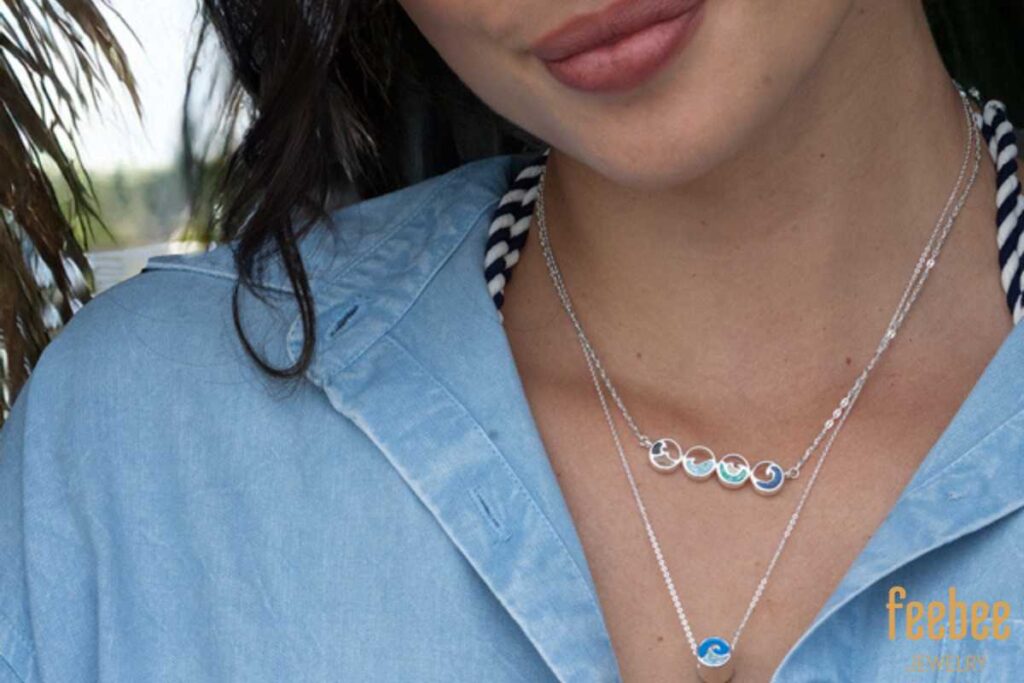
Brass: Now comes the most important factor, like comfort. Unluckily, wearing brass can cause skin irritation or greenish marks for some people. This is due to copper’s reaction with the natural acids in the skin, forming copper salts. However, every problem has a solution.
Thus, the good part is that allergic reactions to brass jewelry can be alleviated or completely avoided with a protective coating.
Sterling silver: However, it is mostly skin-friendly. If customers have very sensitive skin, then there is a possibility that they may take issue with the copper ( 7.5%) in the sterling silver. In general, most people find sterling silver safe and comfortable to wear.
Brand Value and Customer Perception
Brass is actually viewed as fashionable and affordable. This makes it an excellent material for seasonal or experimental collections with bold designs, as it is low-cost to produce.
Sterling Silver: On the other hand, sterling silver, owing to its high silver content, makes it highly valuable. Thus, many customers regard such pieces as investments, rather than fleeting accessories. This will enhance brand perception and trust.
Price and Target Market
Brass: Lastly, in regard to pricing, brass is much more affordable. This is because its raw materials, such as copper and zinc, are widely available, hence making the market price low.
Sterling silver: On the other hand, sterling silver lies in the middle price range. It is pricier than brass, but still much less expensive than platinum and gold. This balanced pricing makes sterling silver an intelligent option for fine jewelry collections.
Summarizing table: Brass vs Sterling silver
| Brass | Sterling Silver | Winner | |
| Appearance | Warm | Bright | 🤝 Tie |
| Style | Bold | Elegant | 🤝 Tie |
| Durability | Stronger | Long-lasting | 🤝 Tie |
| Tarnish Resistance | Lower | Higher | Sterling silver |
| Skin Sensitivity | Irritating | Hypoallergenic | Sterling silver |
| Brand Value | Trendy | premium | Sterling silver |
| Price | Cheaper | Moderate | Brass |
Conclusive remarks
Now, in the debate over brass vs sterling silver, the ultimate choice depends on your own personal requirements. For instance, if the appearance and price are your main preferences, then brass is what you go for.
In contrast, if you want some classic jewelry that speaks to your brand, then sterling silver is the best option. However, if you want something more durable and easy-to-wear jewelry, then you can buy stainless steel jewelry.
So, if you are looking for custom stainless steel jewelry, look no further than Feebee Jewelry. We have decades of experience in the production line and strive our best to deliver high-quality, stylish jewelry at affordable prices. So, reach us today!

Perry Xu