Your Guide to the Best Tarnish Free Jewelry Materials
ByPerry Xu
Tarnish is more than a surface problem; it’s a trust problem. When a piece loses its shine too quickly, it doesn’t just disappoint the wearer; it interrupts the story that jewelry is meant to tell. That’s why the best tarnish-free jewelry isn’t just about the sparkle under the shop lights, but about the materials that hold their promise long after they leave your display.
In this guide, we’ll look at the metals that resist fading, so every design can carry its brilliance forward. And every customer can feel confident that their piece was made to last. Let’s get into it.
Contents
- 1 Why Does Jewelry Tarnish?
- 2 5 Best Tarnish Free Jewelry Materials
- 3 Handling Jewelry That’s Already Tarnished
- 4 FAQs
- 5 Final Thoughts
Why Does Jewelry Tarnish?
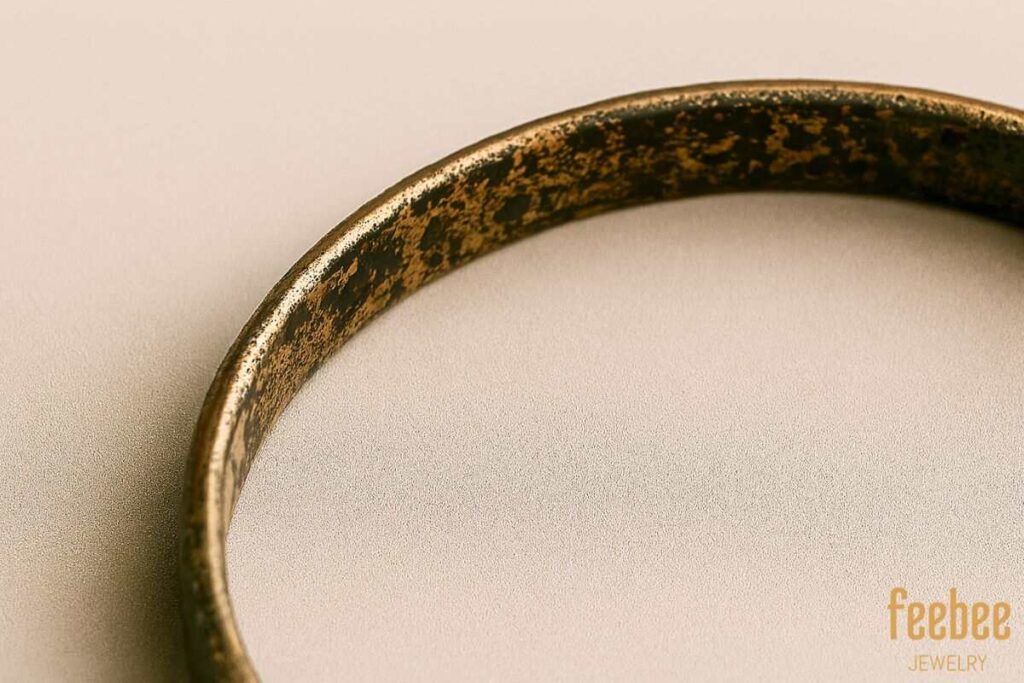
Tarnish is one of those things that shows up whether we like it or not. It’s simply the reaction between metal and the world around it, for example, the air, moisture, sweat, and even the products people use every day like perfume or lotion.
Silver, copper, and lower‑karat gold alloys are the most likely to change, and over time, that reaction leaves a dull or dark layer on the surface.
Now the piece itself isn’t ruined, it’s just the surface reacting. But when we look at it from the customer’s perspective, tarnish feels like a broken promise. They expect their jewelry to hold its shine. And when it doesn’t, it reflects the quality of the jewelry.
The right material choices and finishes can mean the difference between a piece that becomes a long‑term favorite among your customers and one that ends up forgotten in their drawer.
5 Best Tarnish Free Jewelry Materials
Tarnish is the one thing that can make a beautiful piece of jewelry feel cheap. Your customers won’t care about the science behind tarnishing, they will just see their favorite piece of jewelry lose its shine and start to wonder if it was worth buying from you in the first place.
The material you choose for your jewelry line matters because some metals hold up better than others. They keep their color, their shine, and their value intact.
So let’s take a look at the best tarnish-free jewelry materials, what they are all about, and what they’re really best for.
Stainless Steel – Best Overall
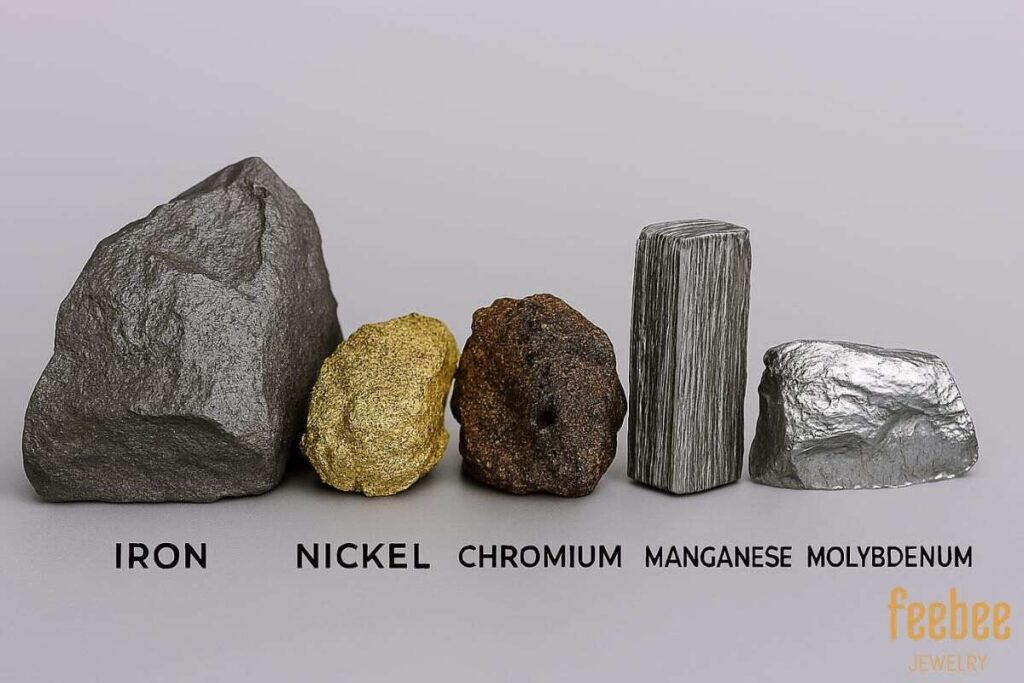
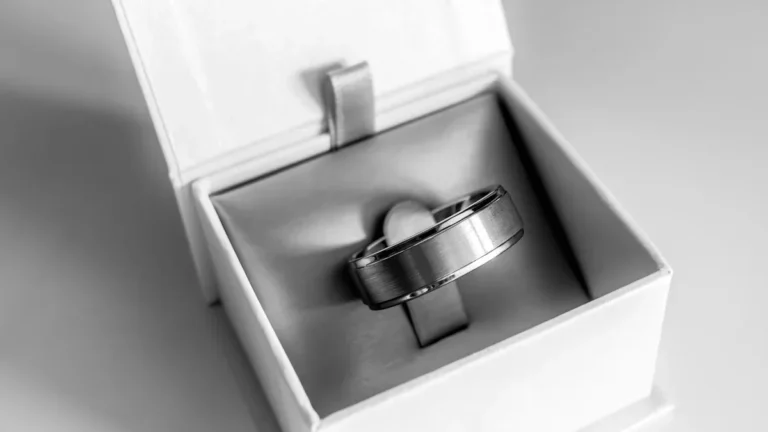
Stainless steel jewelry is our everyday winner. Not only is it strong and reliable, but it is low-maintenance and doesn’t need constant polishing to stay shiny. The best part about this metal is the value it provides. It gives you a lasting shine without draining your customer’s wallet.
Read more: Does stainless steel jewelry tarnish?
The high‑quality stainless steel, like 316L, can handle sweat, showers, and even saltwater. But you still need to give it a quick rinse after coming in contact with chlorine or the ocean. This small step will keep it looking fresh for longer.
Stainless steel is affordable, practical, and built for daily wear. And it proves that durability doesn’t always have to come with a luxury price tag.
Pros:
- It is affordable and reliable.
- It is scratch‑resistant.
- It naturally resists tarnish.
- The high-grade stainless steel, like 316L, is safe for those with skin sensitivities.
Cons:
- It is heavier than other metals and is also hard to resize.
- It doesn’t go up in its value like gold or platinum.
Titanium – Best for Sensitive Skin
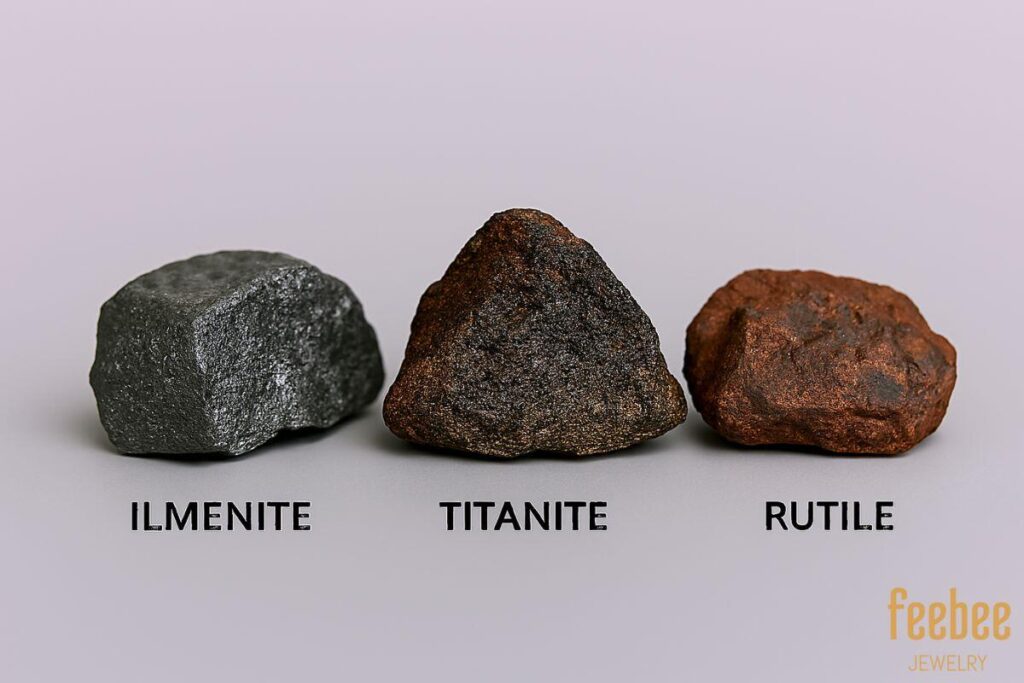
Titanium offers strength without extra weight. It is also hypoallergenic, so it won’t cause irritation to those who have skin sensitivities. This makes it a great choice for customers who want jewelry they can not only trust but also rely on.
What makes it even better is that it doesn’t need polishing every week, and it won’t turn dull after just a few wears.
So, If your customers are looking for pieces that are comfy and durable and won’t break the bank, titanium is a great tarnish-free jewelry choice to go with.
Pros:
- It is hypoallergenic and safe for those with sensitive skin.
- It is extremely lightweight.
- It’s strong and corrosion‑resistant.
Cons:
- It is hard to resize or adjust.
- It’s not viewed as a luxury choice.
Tungsten Carbide – Best for Durability
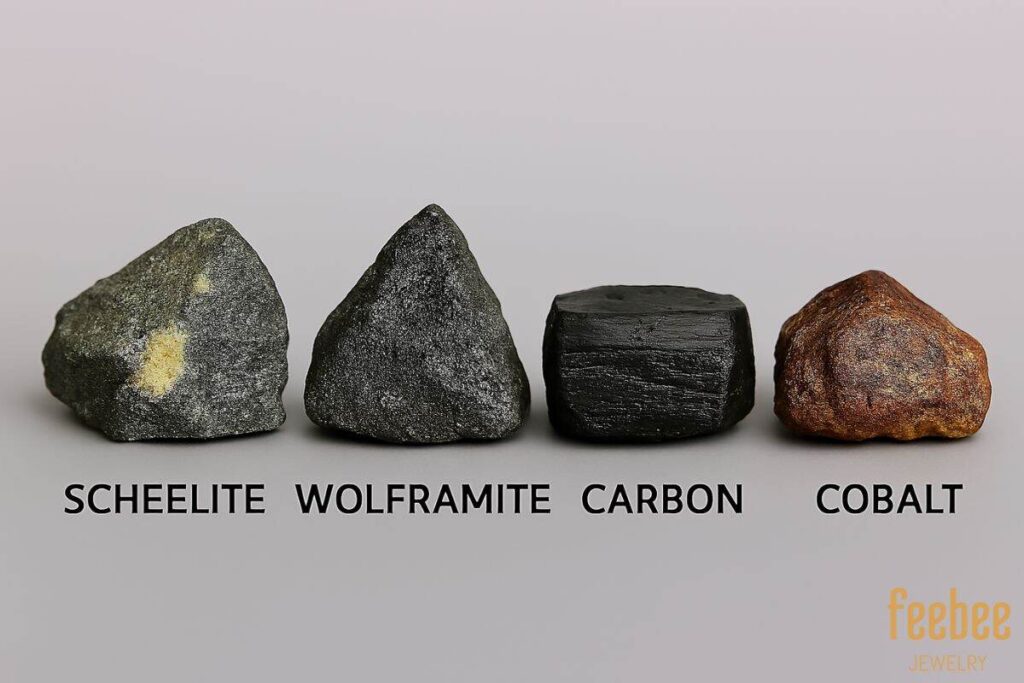
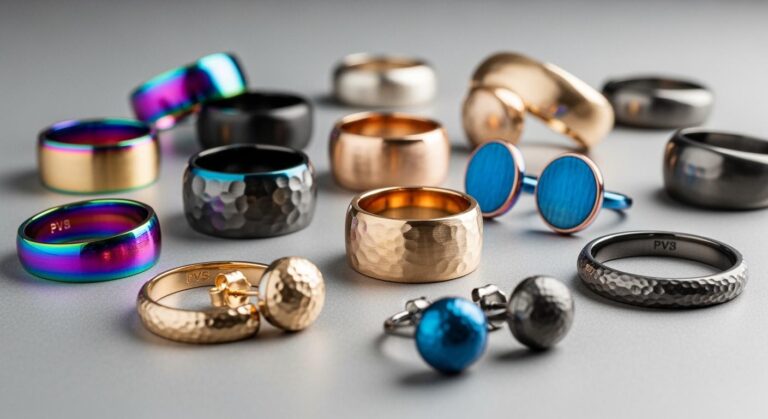
Tungsten carbide is one of the hardest metals used in jewelry. Scratches barely touch it. And this makes it the perfect choice for rings and bold designs that need to keep their shape.
It also holds its dark, polished finish without tarnishing, so customers don’t have to worry about fading or constant upkeep. Its look is modern and sleek, and a good choice for anyone looking for something different than the gold and silver look. But like with anything, there are always downfalls, and with tungsten, it’s the weight and flexibility. It’s heavy, and once you have made it, it is hard to resize.
Pros:
- It is extremely hard and scratch‑resistant.
- It maintains its polish for years.
- It is affordable compared to platinum or gold.
- It has a modern look and is low-maintenance.
Cons:
- It can crack if you drop it on a hard surface.
- It has limited resizing options.
Platinum – Best for Luxury and Longevity
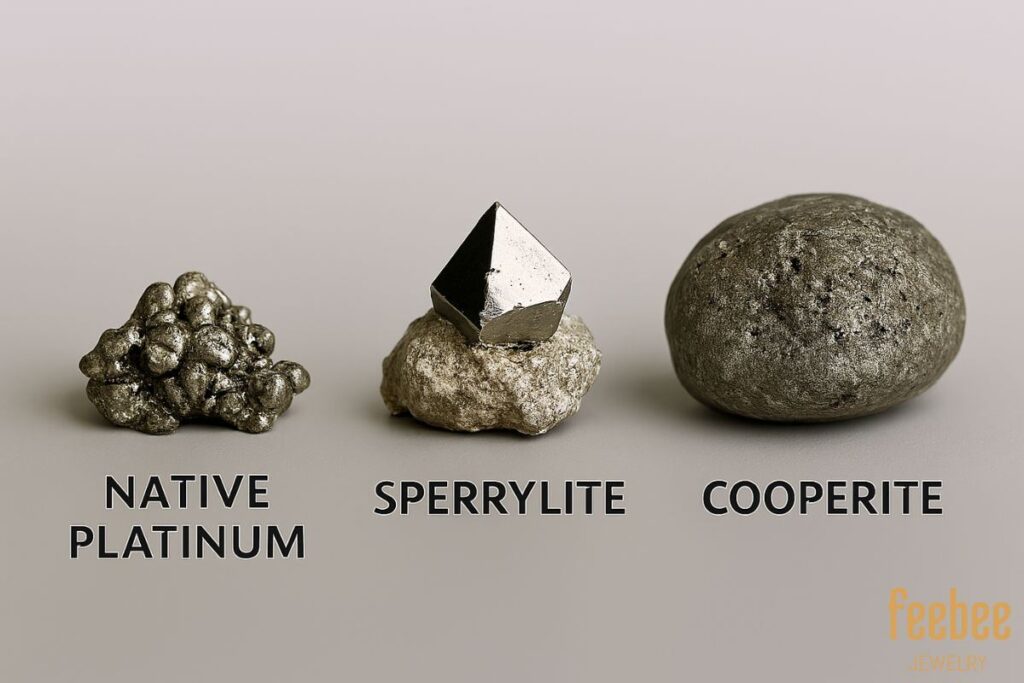
Platinum is the high‑end choice and is suited for those customers looking for something that will last. It’s naturally white, so it doesn’t need plating to keep its color. And it won’t tarnish like silver or lower‑karat gold. Instead, platinum will develop a soft patina over time, which adds character to the jewelry piece without taking away from its brightness.
Your customers will love it because it stays true with just a little upkeep. It is heavy and durable, and built for pieces that are meant to stay with someone for life.
Pros:
- It is naturally white, so no plating is needed.
- Tarnish-resistant and long-lasting.
- It has a strong luxury appeal.
- It’s dense and durable.
Cons:
- More expensive than other metals.
- Can show surface scratches.
Gold (24K and 18K) – Best for Timeless Value
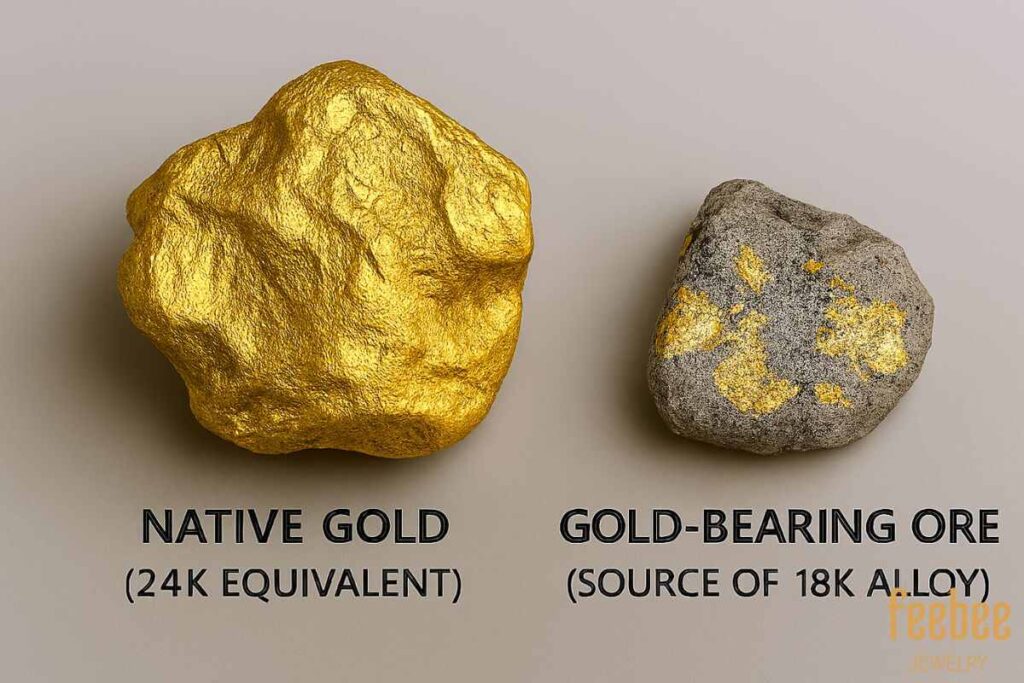
Gold is the metal everyone knows. Pure 24K gold never tarnishes, but it’s too soft to hold up in most designs. That’s why 18K is the standard. It keeps the rich color but adds strength from its alloys. Customers like it because it doesn’t darken like silver, and it carries value that’s recognized literally everywhere.
The downfall is that 18K gold can show slight tarnish over time, depending on the mix. Gold keeps its place as the metal people measure everything else against.
Pros:
- 24K gold is completely tarnish‑free.
- 18K gold balances durability with beauty.
- It has a universally recognized value.
Cons:
- 24K is too soft for everyday use.
- 18K can tarnish slightly due to the mixture of alloys.
Handling Jewelry That’s Already Tarnished
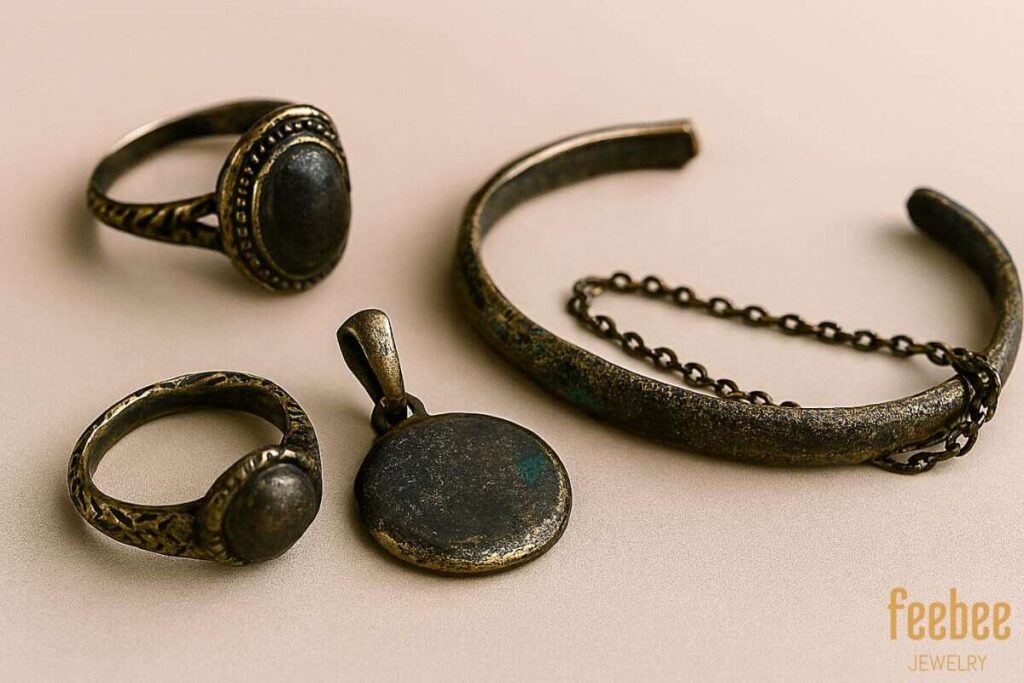
Tarnish doesn’t mean that a jewelry piece is of low quality. Even the high-value metals can lose their shine over time. What matters is how you handle it as a seller/manufacturer.
- Check the material.
If it’s a metal that normally doesn’t tarnish, you may be looking at scratches, plating wear, or another surface issue. - Weigh the value.
For fine or sentimental pieces, point customers to a professional cleaner. It protects the piece and your reputation. - Offer simple care tips for everyday items.
- Soft jewelry cloth
- Mild dish soap and warm water
- Gentle polishing for light tarnish
- Be transparent.
Explain to your customers that tarnish is a natural reaction, not a flaw. They will trust you more when you are fully transparent.
FAQs
What is the Best Quality Jewelry That Won’t Tarnish?
The best quality jewelry that won’t tarnish is high‑grade stainless steel, platinum, 24K gold, titanium, and tungsten carbide. They don’t darken like silver or lower‑karat alloys do. Choosing them means fewer complaints, fewer returns, and customers who see their jewelry keep its shine and their trust in you over time.
What Jewelry Can Be Worn 24/7?
High‑grade stainless steel, titanium, platinum, and 24K gold can handle constant wear. They resist tarnish, hold their color, and handle sweat, water, and products. They’re the safest choice for your customers who want jewelry that they will never have to take off. These are the metals built for 24/7 jewelry.
What is the Best Necklace That Will Not Tarnish?
Stainless steel is the most practical choice here. It is affordable, durable, low-maintenance, and safe for daily wear. Titanium is lighter and hypoallergenic, and a good fit for sensitive skin. Platinum brings luxury to the table with its natural white color and lasting shine, but it does come at a higher cost.
Gold carries tradition and value, but can be softer or show tarnish depending on the mix. The best necklace depends on what your customer wants, but we stand by stainless steel necklace.
What Jewelry Material is Waterproof and Doesn’t Tarnish?
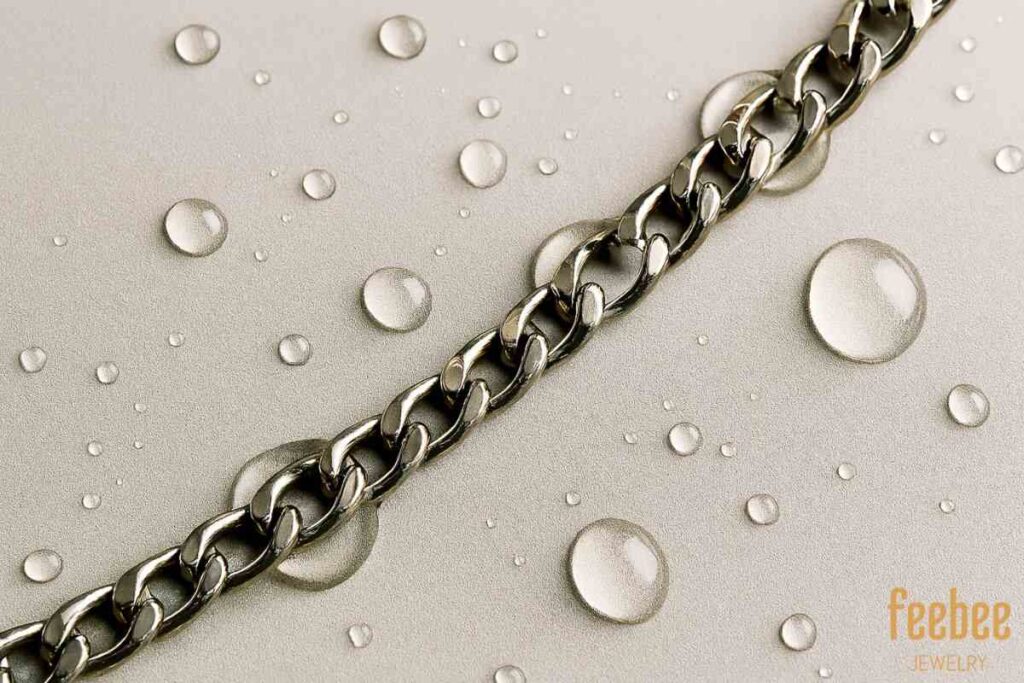
Stainless steel is water-resistant, not fully waterproof, but it’s still the best option for everyday jewelry. High‑grade 316L resists tarnish, handles sweat, showers, and daily products, and is safe for most skin. Titanium is another strong choice, lightweight, and corrosion resistant.
If customers ask, “Is stainless steel jewelry waterproof”, the answer is that it’s water-resistant enough for daily wear and the most practical choice.
Final Thoughts
The best tarnish-free jewelry isn’t just about its shininess, it’s about the trust. Customers want pieces that keep their color and strength through daily life. Stainless steel, titanium, and tungsten carbide deliver that promise, while platinum and gold carry value and tradition. The right choice depends on what your customer needs, but lasting confidence always matters the most.
Explore Feebee Jewelry to find designs that are built to last. Our team will help you choose pieces that will fit your brand’s style and story. Because jewelry should turn heads, not colors. And the best tarnish-free jewelry pieces will keep doing both for years to come.

Perry Xu