What is Hypoallergenic Jewelry? A Guide for Sensitive Skin
ByPerry Xu
Some jewelry pieces may prove to be not so comfortable for most people, either because they cause rashes or itchiness, or because some people might even be allergic to them.
So, here is the question: what is Hypoallergenic jewelry, and what’s its importance ?
This article will dissect the things you should know about hypoallergenic jewelry, what it is, why it is important, the type of metals to use, and how to care for it.
By the end, you will get to know how to shop wisely and protect your skin better without having to compromise on your style.
Contents
- 1 Understanding What is Hypoallergenic Jewelry
- 2 Why Does Hypoallergenic Jewelry Matter?
- 3 Materials Commonly Used in Hypoallergenic Jewelry
- 4 Hypoallergenic Jewelry for Everyday Life
- 5 Spotting Genuine Hypoallergenic Jewelry
- 6 Tips for Buying Hypoallergenic Jewelry
- 7 Myths and Misconceptions about Hypoallergenic Jewelry
- 8 Feebee Jewelry and the Final Word
Understanding What is Hypoallergenic Jewelry
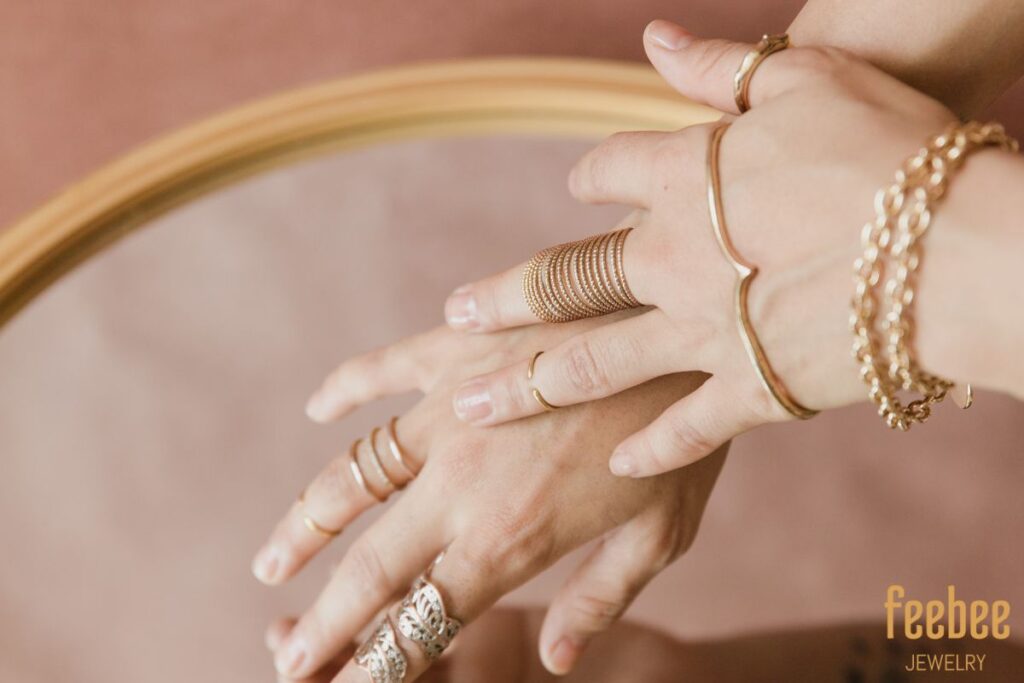
Hypoallergenic jewelry is the fancy way of saying that these pieces are made from materials that are less prone to cause any allergic reactions to the skin, hence making it a safer and gentler option.
What Does the Term Hypoallergenic Mean?
Hypoallergenic simply means less prone to the occurrence of an allergic reaction. This is applied in jewelry where it refers to the objects made out of metals or substances not polluted with typical allergens like nickel.
While most jewelry items are not a hundred percent free from allergies, hypoallergenic jewelry minimizes the chances of irritation to a great extent.
The Reason Nickel is the Greater Perpetrator
Nickel is a common metal; it is found in cheap jewelry and is also among the causes of the most common skin allergies. The symptoms of nickel allergy include reddening, itching, and blistering of the contact area. One should try to avoid wearing jewelry containing nickel, especially if they have sensitive skin.
Why Does Hypoallergenic Jewelry Matter?
To address the concern of why hypoallergenic jewelry matters, let’s explore what makes it a healthier and inclusive option:
Comfort and Confidence
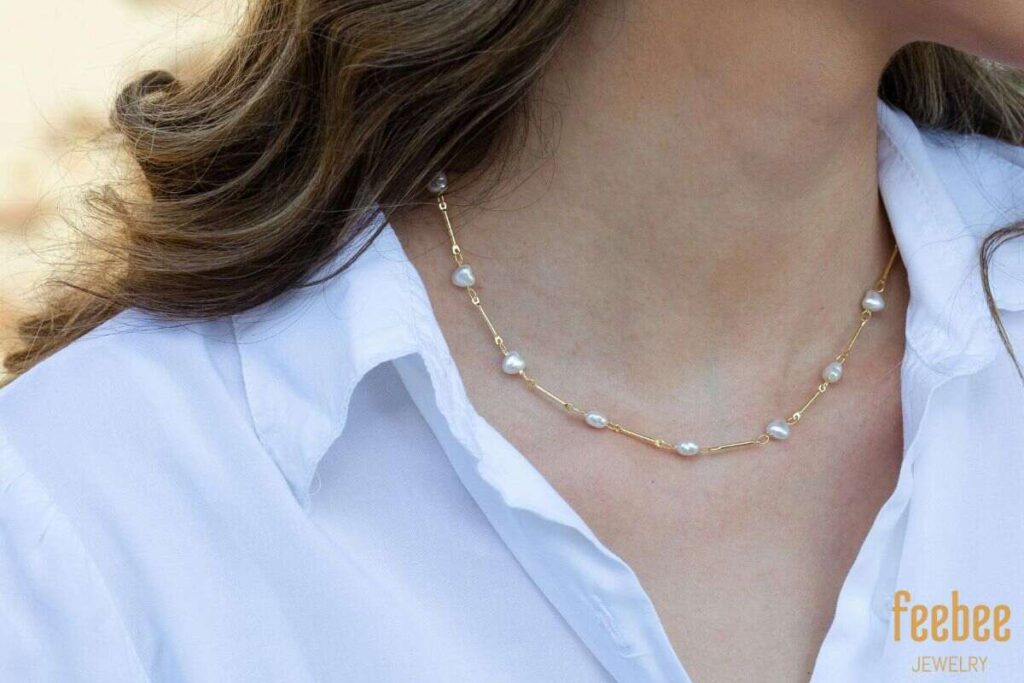
With hypoallergenic jewelry, you will not experience any itching or even redness from your jewelry, and you can wear it all day. This will give you confidence, and you will be free to accessorize.
Long-Term Skin Health
Reactions in the case of continuous exposure to allergenic metals can be aggravated. Hypoallergenic products will help to save your skin and preserve long-term dermatological health.
Expanding Fashion Choices
With the rising trend of hypoallergenic designs, the range of sleek designs with a stylish and luxurious look that one can afford to have on their skin has become numerous.
Materials Commonly Used in Hypoallergenic Jewelry
Keep in mind that the nature of materials used in hypoallergenic pieces matters a lot more than you might think. Let’s take a look at some of the most common ones:
Sterling Silver
Sterling silver, a mixture of other metals, such as copper (92.5 percent), is generally non-toxic and hypoallergenic.
Titanium
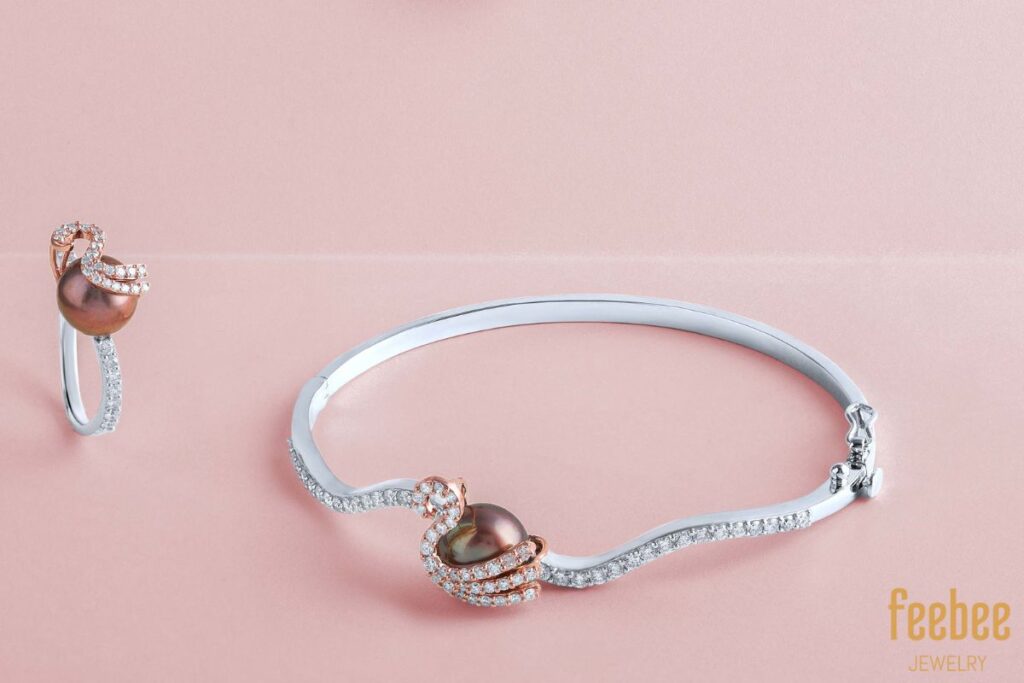
Titanium is also one of the best hypoallergenic metals that is highly tough and light in weight. It best suits rings, earrings, and body jewelry.
Platinum
Platinum is non-allergenic, non-tarnishing (naturally luxurious), and it is this attribute that makes it the best choice to wear during a long period of time.
Gold
The gold that is alloyed with non-toxic metals, such as copper or palladium, rather than nickel, is safe, i.e., 14K or 18K gold.
Surgical Stainless Steel
Medical devices employ surgical stainless steel, in which the stainless steel is considered safe for many individuals, and it makes for beautiful pendants and bracelets, but only a few types of it, including 316L or 316LVM, are considered truly hypoallergenic.
Hypoallergenic Jewelry for Everyday Life
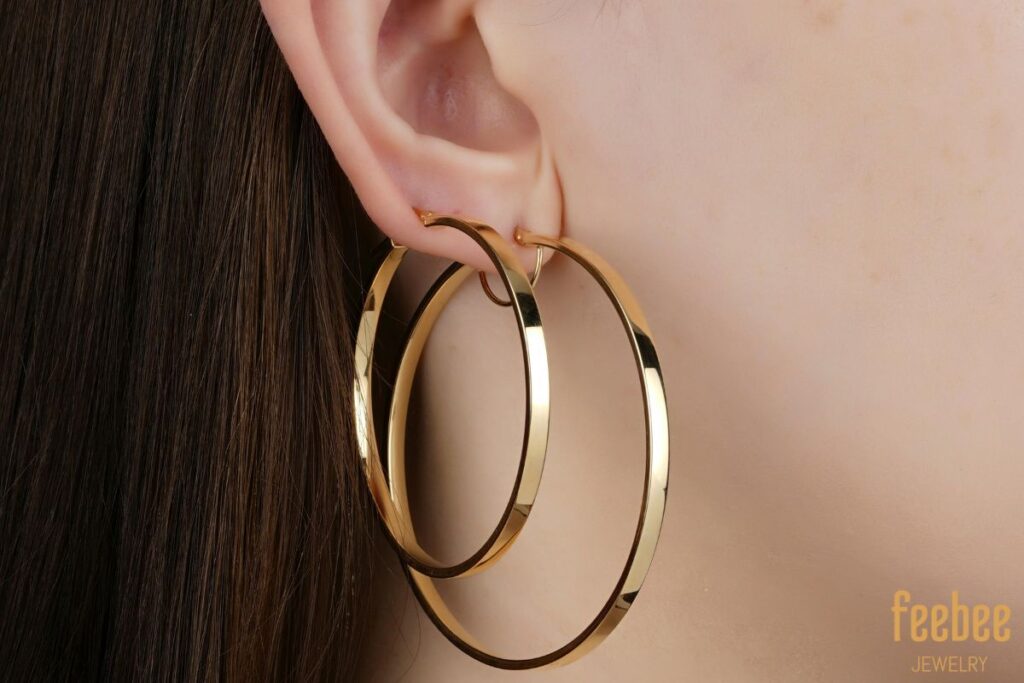
Earrings and Piercings
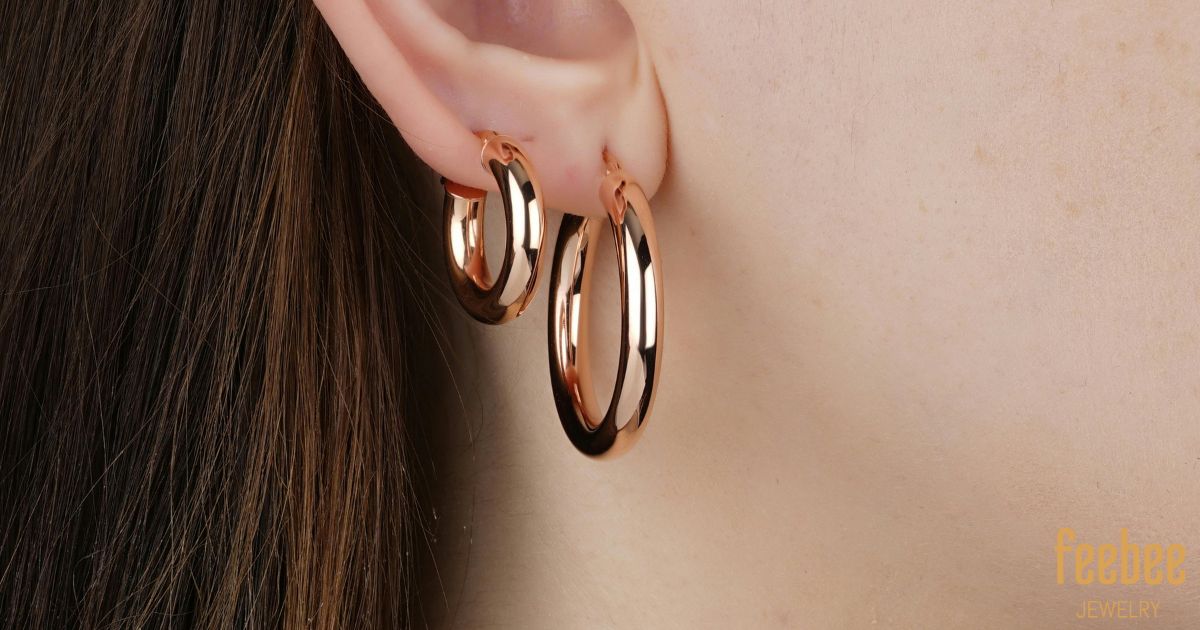
Ears are very sensitive, hence hypoallergenic earrings are necessary for people who are prone to irritation. Dermatologists have suggested that new piercings should be made of titanium or surgical steel.
Necklaces and Bracelets
Given that these pieces come in contact with a big portion of the skin, hypoallergenic metals avoid causing prolonged irritation.
Rings
Rings are utilized in everyday life, and they touch water, soap, and lotion; this may intensify the allergic reaction. Either platinum or titanium rings are preferred, which are hypoallergenic, and both are easy and comfortable for use.
Spotting Genuine Hypoallergenic Jewelry
Not all jewelry labeled hypoallergenic truly lives up to the name, so learning how to spot genuine pieces is essential to avoid skin irritation.
Check Labels and Certifications
Search using such words as nickel-free, hypoallergenic certified, or gold and silver hallmark stamps.
Research the Seller
Such recognizable brands as Feebee Jewelry are not afraid to provide information on their materials and origin, which provides customers with confidence.
Avoid Cheap, Unverified Metals
- Do not purchase cheap metals that are not verified.
- Nickel or other irritants are in the jewelry that is extremely cheap.
- Whenever we take into consideration sensitive skin, it is always better to give quality priority and not just pricing.
Tips for Buying Hypoallergenic Jewelry
Here are some practical tips to help you buy hypoallergenic jewelry with confidence:
Do Your Research
Find out the material claims and customer reviews of the brand before buying.
Choose Trusted Sellers
Qualified jewelers such as Feebee Jewelry offer information concerning their metals so that they are safe and stylish.
Test Small First
You can always begin with a small item, such as a pair of earrings or a bracelet, then invest in bigger items when you are sure.
Myths and Misconceptions about Hypoallergenic Jewelry
Myth 1: All Stainless Steel is Hypoallergenic
Stainless steel is not always hypoallergenic; only medical grade stainless steel, 316L or 316LVM, may allow itself to be called truly harmless to the delicacies and the tenderness of the skin.
Myth 2: Gold is Hypoallergenic
Pure gold is not hazardous, though most of the gold alloys include nickel. Inspect the karat and alloy mixture.
Myth 3: Silver Jewelry Can’t Cause Allergies
Nickel may at times be irritating when combined with sterling silver. Make sure that it is nickel-free, as even small traces of nickel can cause allergic reactions for people with sensitive skin.
Feebee Jewelry and the Final Word
Now that you understand what is hypoallergenic jewelry, it’s clear why it’s a must for anyone with sensitive skin.
The most recognized brands, such as Feebee Jewelry, are on top of the wave with safe, stylish, and quality products to make you wear whatever you want without any compromise.
Hypoallergenic jewelry is not just about being fashionable, but comfortable, healthy to the skin, and lasting fun, whether you are out shopping or attending a special event.

Perry Xu