Parts of a necklace Explained: A complete guide
ByPerry Xu
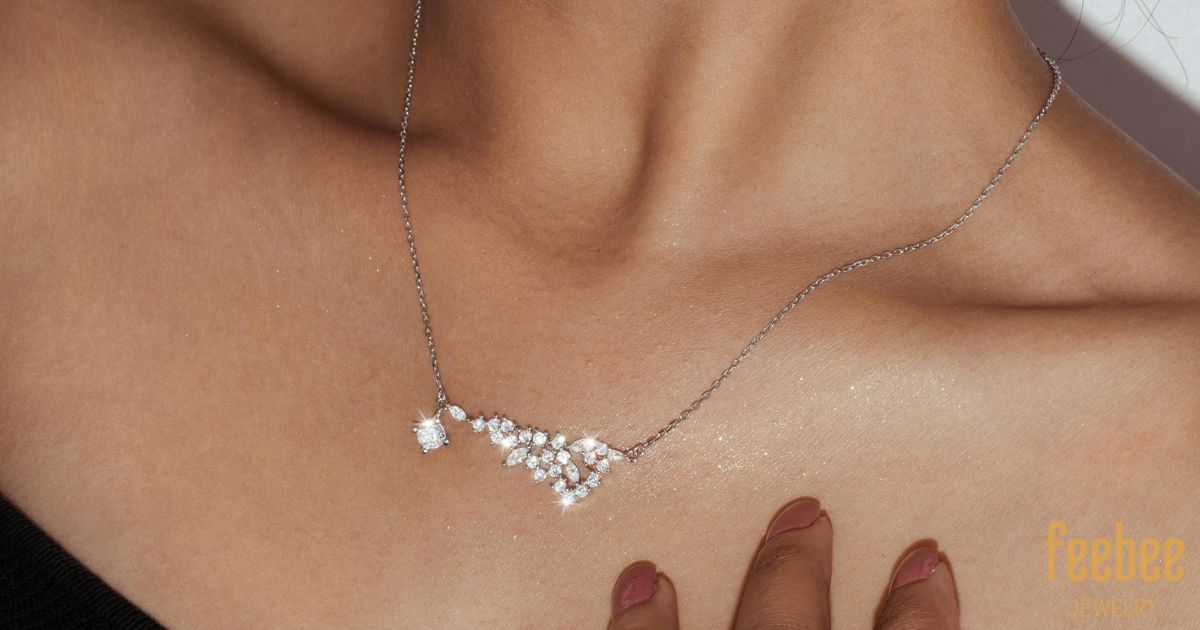
Necklaces are traditional or classy jewelry items that most women prefer to wear at their events to enhance their look. However, have you ever wondered what makes your necklace so charming? There are different parts of a necklace, each playing a specific role to give it style and function.
That’s why we have come up with this blog, where we’ll discuss in detail the parts of the necklace. Thus, if, unfortunately, your necklace clasps get broken or stuck, you would know how to handle it instead of just getting stressed. So, keep reading!
Contents
- 1 Why Necklace Anatomy Matters More Than You Think?
- 2 All Parts of a Necklace at a Glance
- 3 The Chain – Your Necklace’s Foundation
- 4 The Clasp – Securing Your Style
- 5 The Pendant – The Necklace’s Focal Point
- 6 The Jump Ring & Bail – Connecting Beauty
- 7 The Extender & Adjustment Chain – Custom Fit & Flexibility
- 8 Decorative Elements & Beads – Adding Style and Sparkle
- 9 The End Crimp – Finishing Touches for Durability
- 10 How can you care for your Necklace Components?
- 11 FAQs
- 12 Conclusion
Why Necklace Anatomy Matters More Than You Think?
A necklace is a jewelry article made up of precious metal or stones that every human wears around the neck to show their wealth/status.
There is a possibility that you might go to an event wearing your precious necklaces, and in the middle of the party, the clasp breaks. Right? I know it’s so irritating or embarrassing, but if you know the anatomy of your worn necklace, then you would come up with a better solution at that time, or you may avoid some common mistakes altogether!
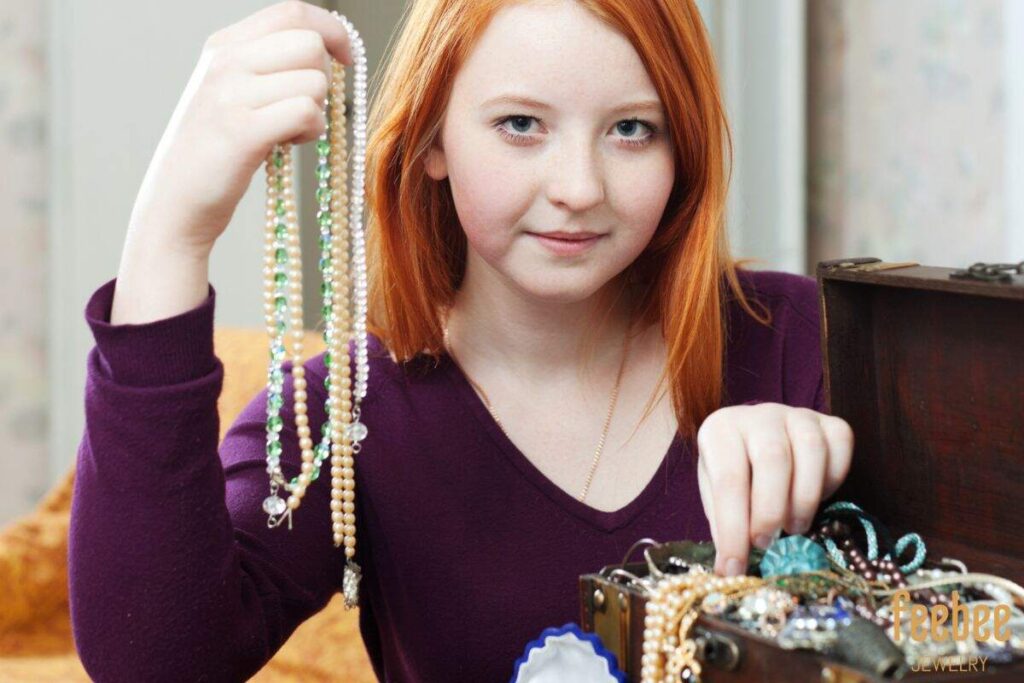
Having prior knowledge about the necklace anatomy may help you in the following ways!
- You can smartly shop for necklaces as you are fully aware of what can affect the quality and value.
- You can easily repair your necklaces instead of just throwing away the damaged pieces.
- Also, you can make your owl style like wearing two or more necklaces at the same time, creating a stylish or natural look.
- Understanding the necklace parts even enables you to confidently craft your own jewelry at home.
Now, let’s have a quick look at the parts of the necklace for better understanding in the table below!
All Parts of a Necklace at a Glance
| Function | Common Types/Styles | Materials | |
| Chain / Strand | Holds necklace together; supports pendants | Cable, Rope, Box, Snake, Curb | Gold, Silver, Stainless Steel, Leather, Beads |
| Clasp / Closure | Secures necklace | Lobster, Spring Ring, Toggle, Magnetic | Metal alloys, Gold, Silver |
| Pendant / Charm | Decorative focal point | Gemstone, Locket, Statement, Charm | Gemstones, Resin, Metal, Wood |
| Jump Ring / Bail | Connects the pendant to the chain | Standard jump ring, Split ring, Bail | Metal |
| Extender / End Cap | Adjusts length; finishes necklace ends | Chain extender, Crimp bead, Tube cap | Metal, Alloy |
| Yoke | Supports necklace on neck/shoulders; distributes weight | Broad collar-style or multi-strand | Metal, Beads, Gemstones |
| Frame | Holds or outlines decorative elements | Pendant frame, Decorative centerpiece | Metal, Gold, Silver |
The Chain – Your Necklace’s Foundation
The chain is basically the backbone of the necklace, as it’s the one that wraps around your neck and holds all the decorative elements like pendants, etc. So, yes, you can say that this part is actually behind determining the lengths and style of your necklace.
Most Popular Necklace Chain Styles
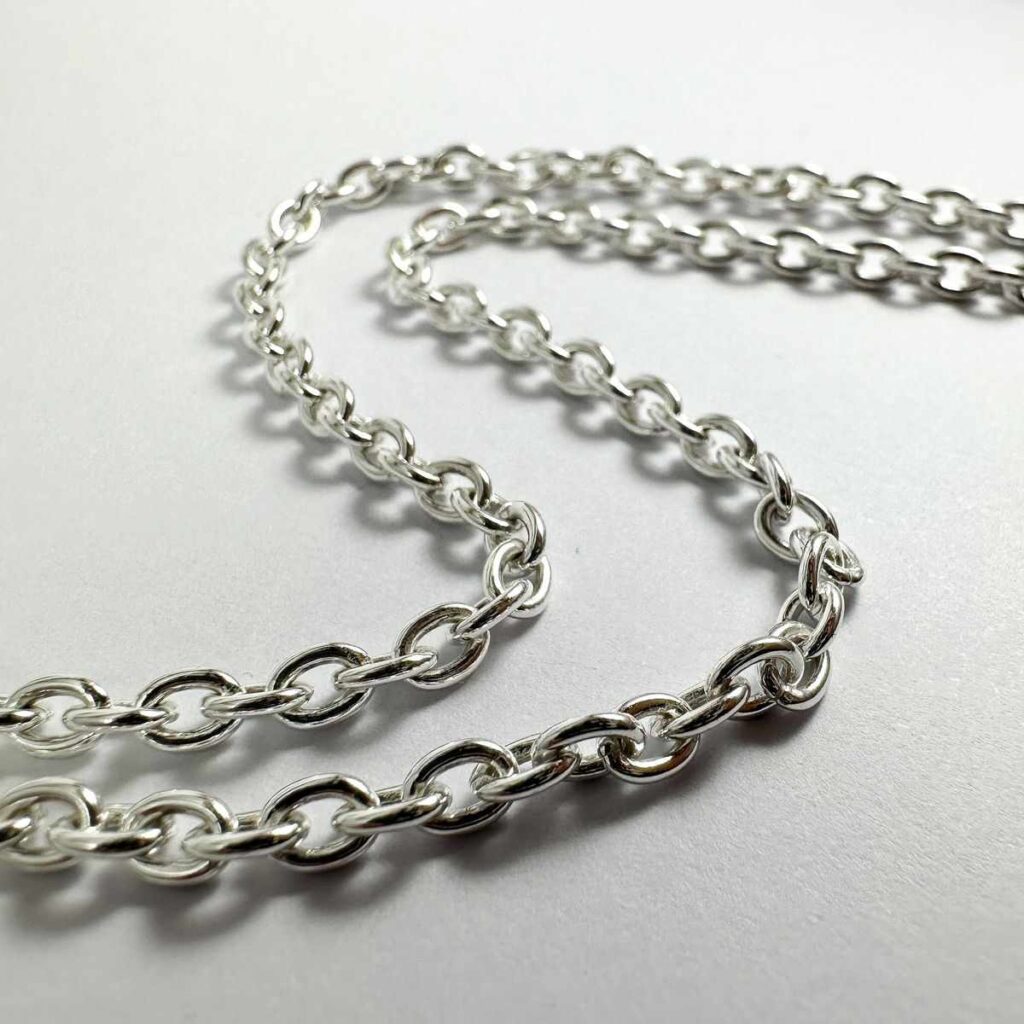
Cable Chain: It usually looks like oval or round links connected in a classic pattern. Thus, because of their interlocking structure, they are durable enough that you can wear them for everyday use.
Source: Pinterest
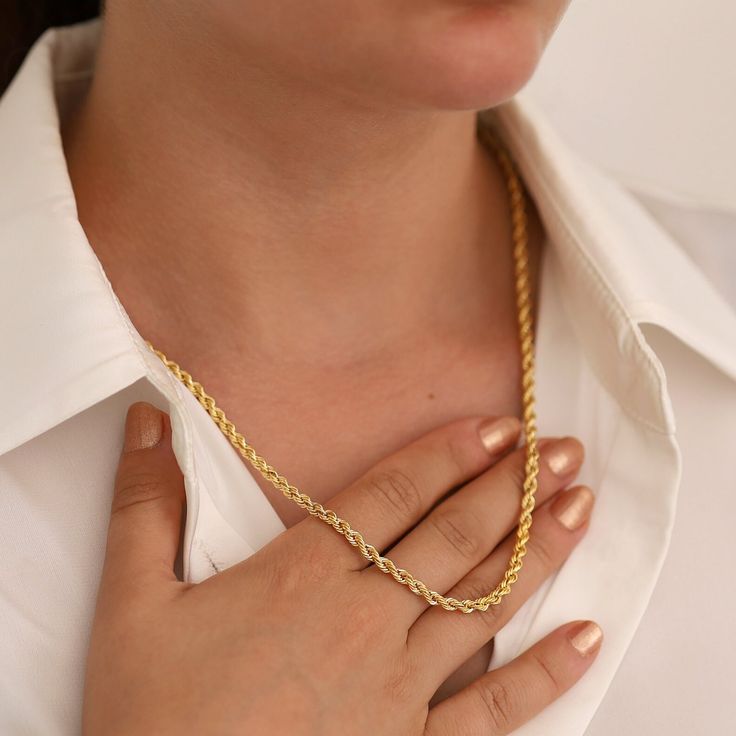
Rope Chain: You’ll find them in twisted links that look similar to a rope. Thus, because of their twisted interwoven design, they can easily balance the heavy pandets without breaking.
Source: Pinterest
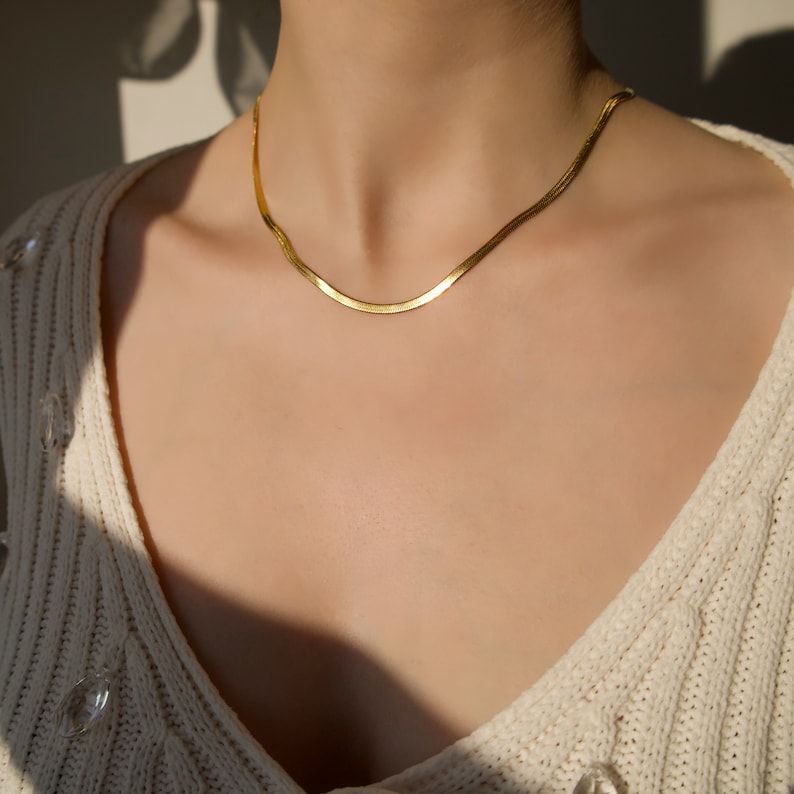
Snake Chain: Such chains basically have the smooth, or square links tightly connected that form a “snake-like” surface. Thus, because of their sleek look, they are perfect for elegant pendants.
Source: Pinterest
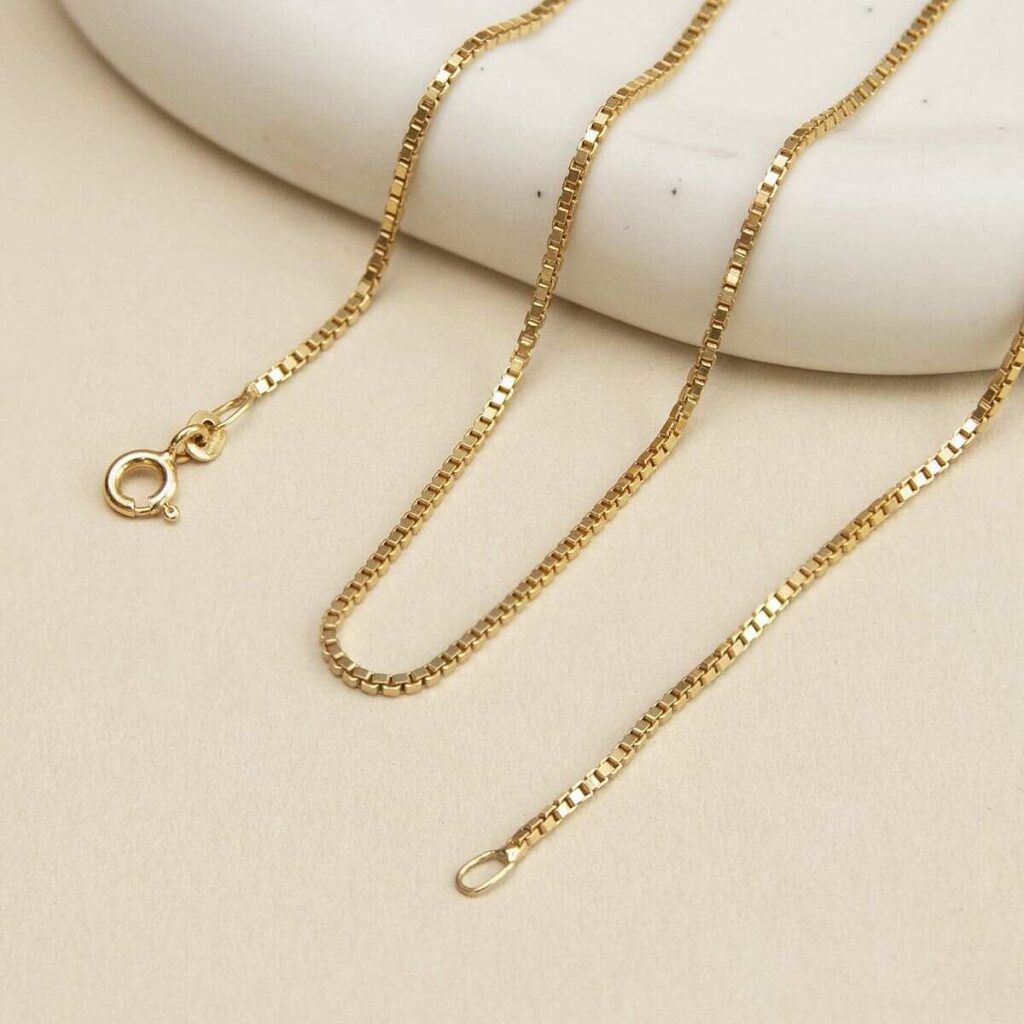
Box Chain: Square-shaped links that form a geometric, or boxy, appearance. Just like the rope chain, they are also strong enough to bear the heavy pendents.
Source: Pinterest
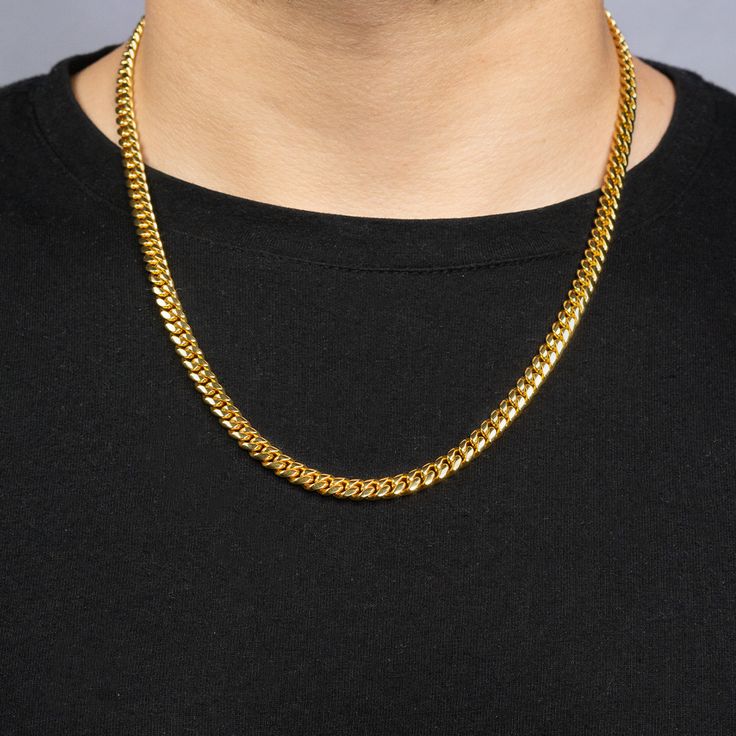
Curb Chain: Flattened, twisted links that interlock just like lying against the skin; thus, owing to their classic style, they are perfect for a bold look.
Source: Pinterest
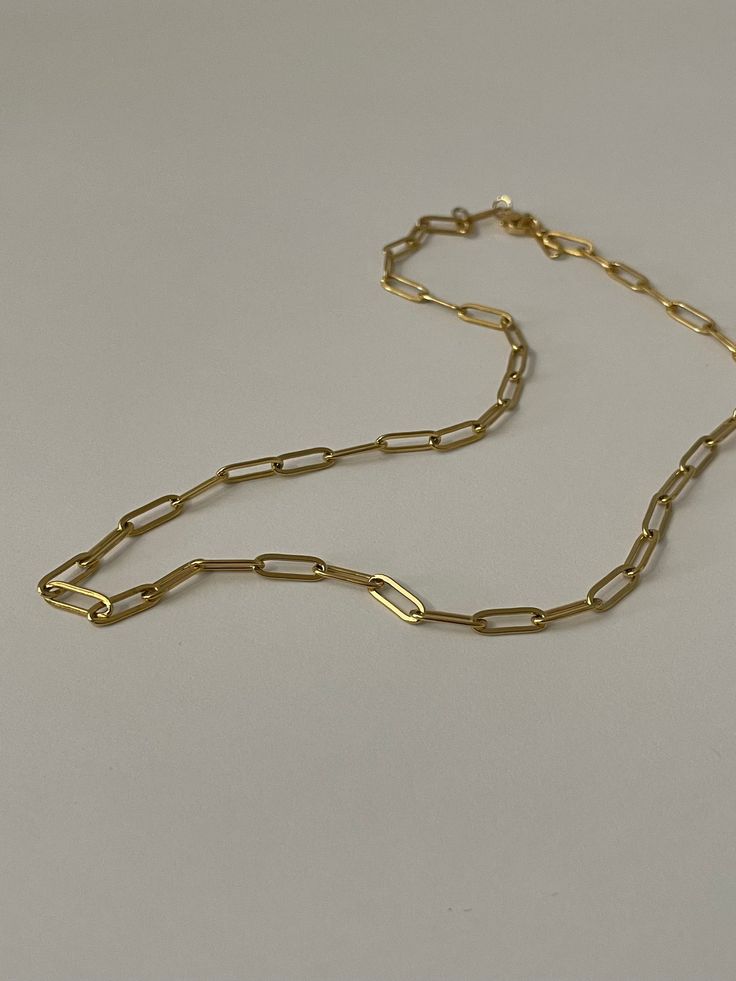
Paperclip Chain: Elongated, open links resembling paperclips, thus giving a trendy, modern look to the necklace.
Source: Pinterest
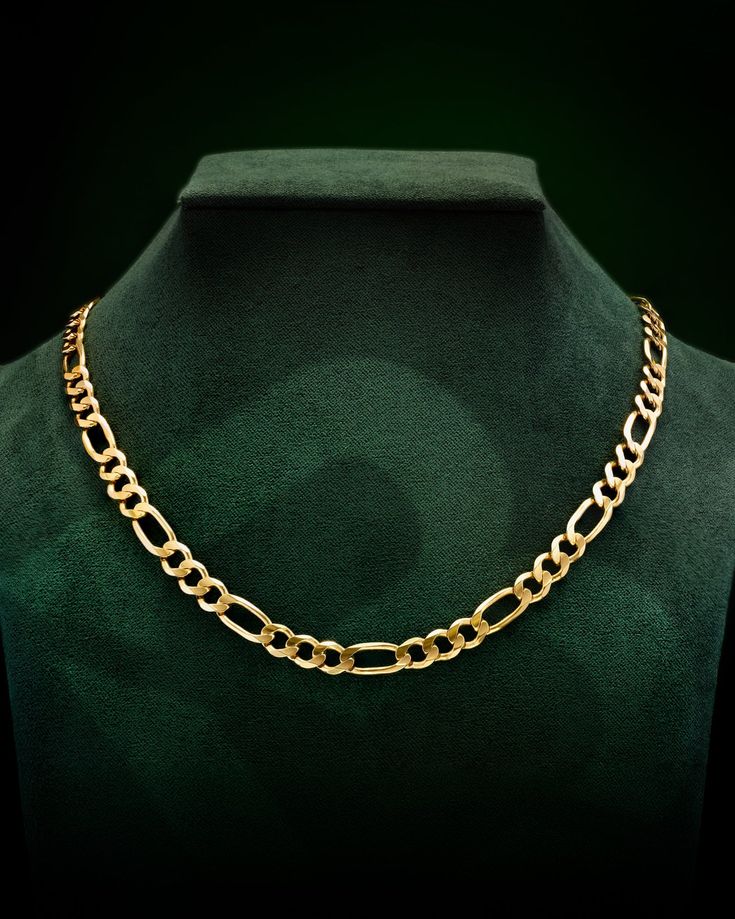
Figaro Chain: Pattern of three short links followed by one long link. It’s basically a classy Italian style perfect for the pandets, or you can wear it alone.
Source: Pinterest
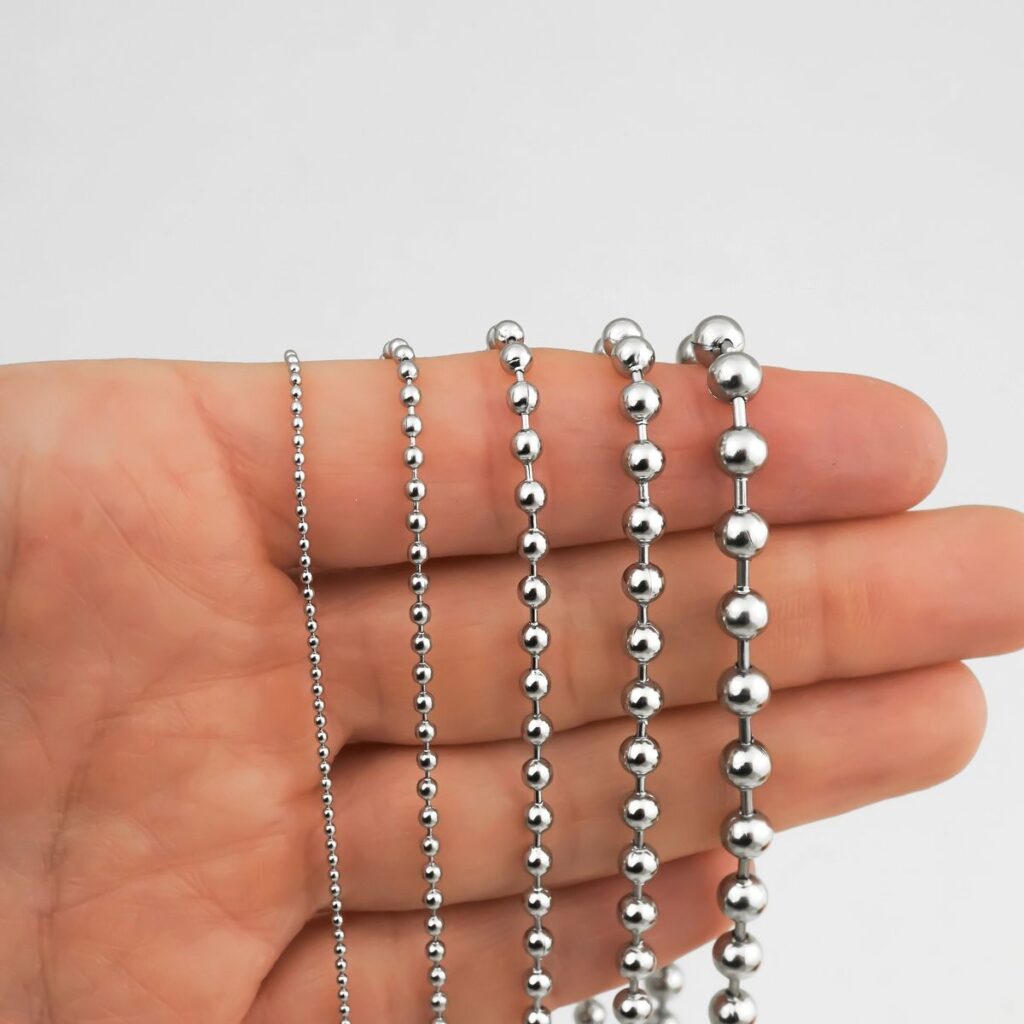
Ball Chain: Small, round beads linked together like tiny balls. You’ll mostly use such chains to tag the dogs.
Source: Pinterest
You need to choose the chain according to your pendant size. As heavy as the pendant is, you have to go for a stronger chain.
The Clasp – Securing Your Style
A clasp is a tiny but essential piece that you use to open or close your necklace. Thus, you can say that it’s actually responsible for securing your necklace from getting lost.
Most Common Types of Necklace Clasps
Source: Pinterest
Lobster Claw Clasp: Shaped like a lobster claw with a lever at the end, which you push to open it. It’s strong and secure, making it ideal for everyday wear.
Spring Ring Clasp: It’s a small circular piece with a spring mechanism, and it’s actually best for lightweight chains.
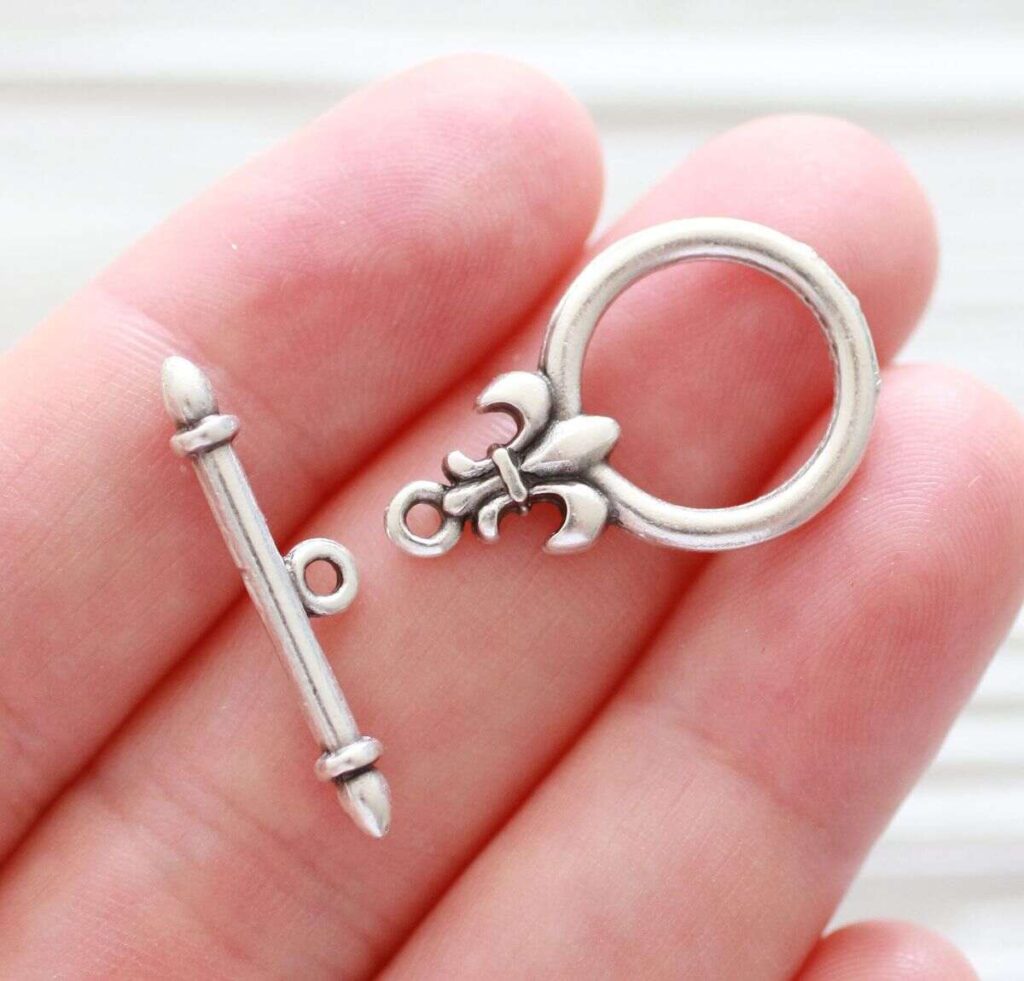
Toggle Clasp: It’s basically a bar-and-ring design that can also act as a decorative feature to a necklace.
Magnetic Clasp: They split together with magnets; thus, it’s best if you find it difficult to open the small clasps.
Box Clasp: They are rectangular in shape with a safety latch. Because of their unique look, you’ll find them in luxury necklaces.
You have to choose the clasp type that you can easily open or close the necklace, and also that matches your style.
The Pendant – The Necklace’s Focal Point
You know the word pendant actually comes from the Greek Word, which means to hang. So, you can say that they are any ornament, a stone that you hang from the chain, and it gives your necklace a lively appearance.
Popular Pendant Styles
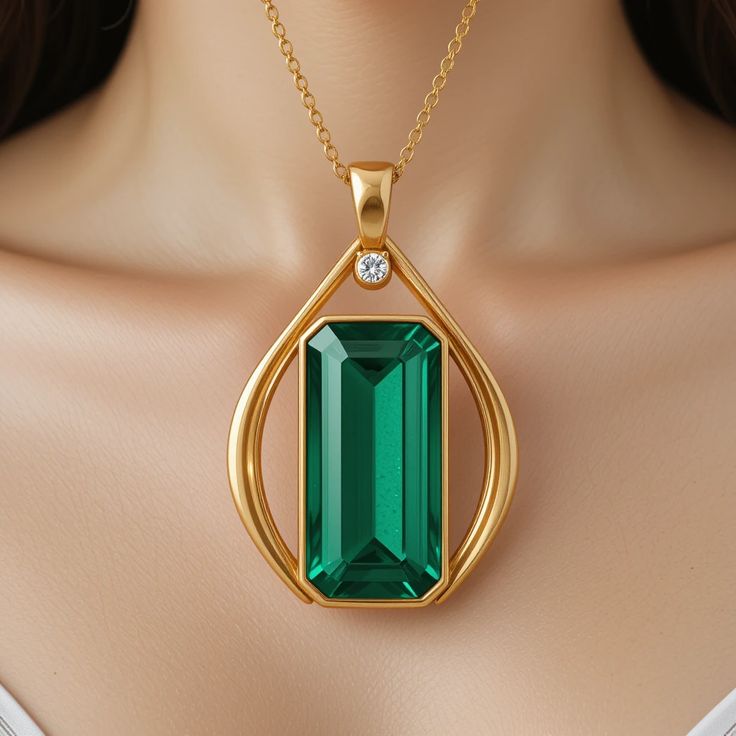
Gemstone Pendants: Such pendants usually have a single gemstone or crystal at their centre, often enclosed in a metal frame.
Source: Pinterest
Charm Pendants: As the name suggests, they come in small, cute shapes like hearts, stars, or symbols.
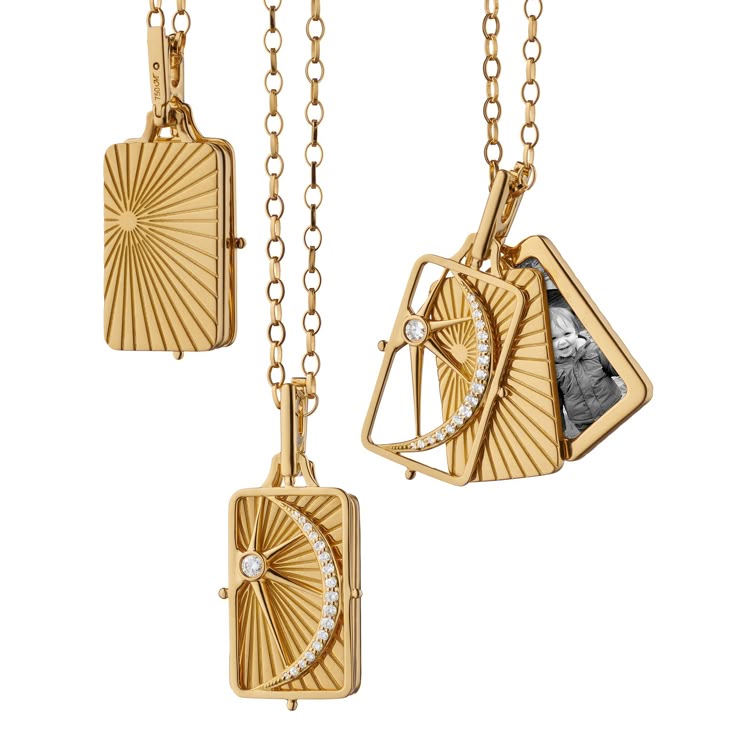
Locket Pendants: They are sentimental, hinged-type pendants that you can open to hold photos.
Source: Pinterest
Statement Pendants: Large, bold designs that stand out.
Quick Styling Tip:
If your dress has a long neckline, then you can pair it with the long pendants. Similarly, if you are having a short or plunging neckline, then try a short or layered piece.
The Jump Ring & Bail – Connecting Beauty
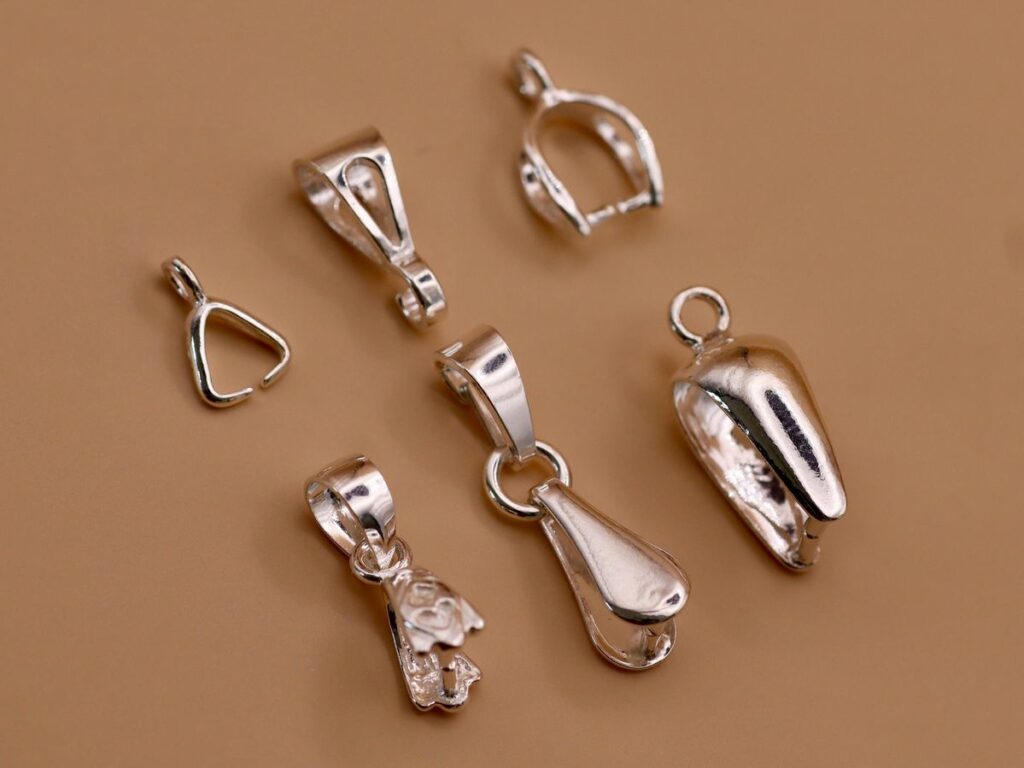
The jump ring or bail is actually a tine loop that serves as the middleman in connecting your pendant with the chain.
Types of Necklace Bails
Classic Bail: It’s the simplest and smallest loop that you will usually see at the top of the pendant.
Hidden Bail: As the name suggests, it’s attached behind the pendant for a “floating” appearance.
Source: Pinterest
Snap-On Bail: This type of bail opens and closes just like a clasp.
Tube Bail: It’s a hollow tube that is hung directly onto the chain, and you’ll mostly see them in the slide-style necklaces.
The Extender & Adjustment Chain – Custom Fit & Flexibility
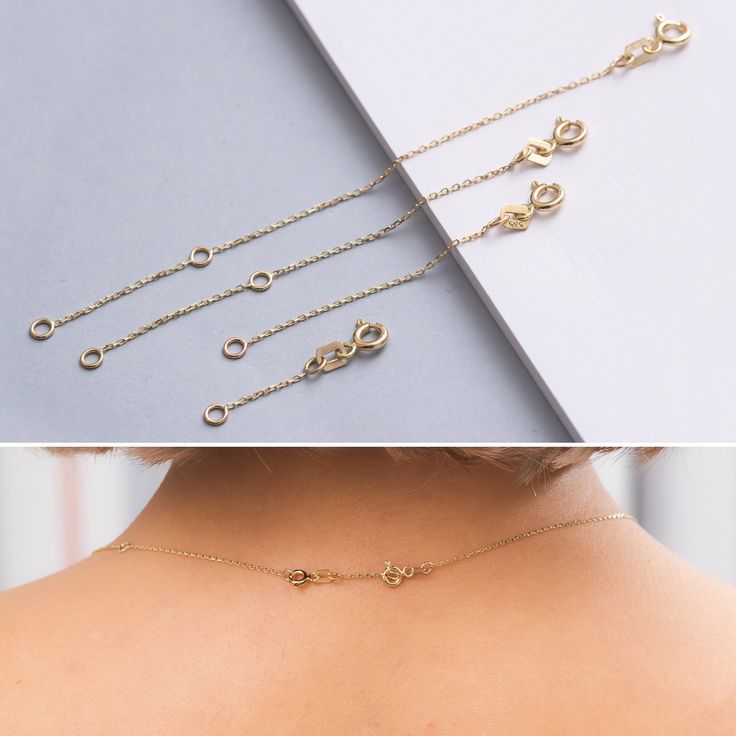
The extender in the necklace is a small chain connected to the clasp that has several links, thus you can adjust the size of the necklace according to your neck.
Source: Pinterest
Common Uses: Fine chains, layered necklaces, or necklaces with heavy pendants
Decorative Elements & Beads – Adding Style and Sparkle
Decorative elements or beads in the necklaces are actually the small extra elements that jewelers add for the style.
Examples of Necklace decorative elements & Beads
Spacer Beads: Small, simple beads that separate elements.
Accent Stones: Tiny gems that add sparkle.
Filigree Charms: Delicate, lace-like metal designs.
The End Crimp – Finishing Touches for Durability
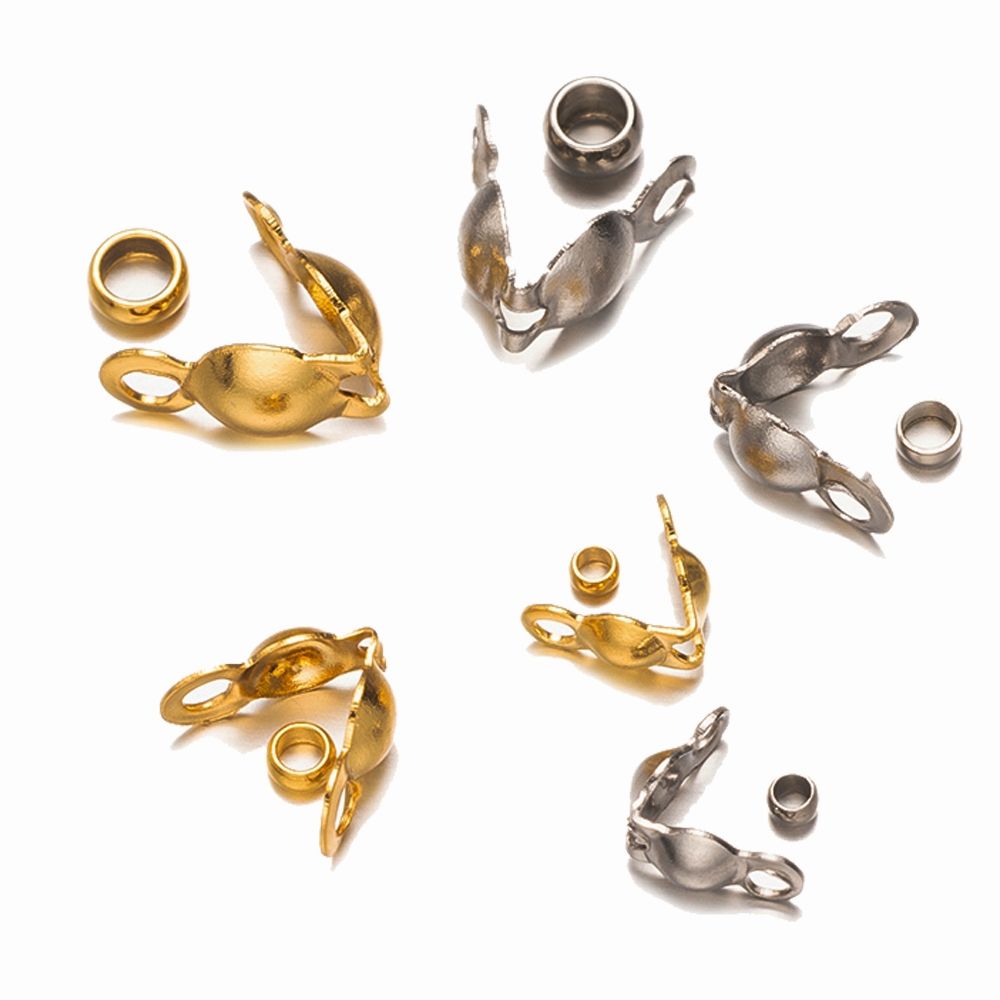
End caps or crimps are tiny, round, metallic pieces that you mostly see at the end of bead-type necklaces, allowing the ends to hold together.
Types of end crimps for necklaces
Crimp Bead: Small metal bead, flattened to secure the string.
Source: Pinterest
Tube Crimp: Hollow tube, squeezed onto the cord to hold it.
Fold-Over End Cap: Metal cap that wraps and folds over the cord end.
How can you care for your Necklace Components?
Definitely, you’ll love your necklaces, as there may be some memories associated with them. That’s why to make them shine long-lasting, here are some tips that you must follow!
Simple Maintenance Tips
- First of all, always place your necklaces flat; otherwise, hang them to prevent any tangles.
- Plus, once you wear any pendant or jewelry, clean it with a soft cloth.
- Also, you must inspect clasps, bails, and jump rings every couple of months.
- Last but not least, it’s equally important to ensure that your necklace is never exposed to moisture, sweat, perfumes, or harsh chemicals. Otherwise, they would lose their shine or the colour may fade.
Material-Specific Tips
Leather: Avoid water completely.
Silver: Use anti-tarnish pouches.
Gold: Mild soap & warm water work fine. Dry immediately.
Stainless steel: For a stainless steel necklace, wipe clean, keep dry, and avoid harsh chemicals.
FAQs
What is the part of the necklace that connects?
The clasp is that part of the necklace that is responsible for keeping the necklace in place, like around your neck. This tiny piece comes in different forms like obster claw, spring ring, toggle, or magnetic clasp, etc, allowing you to easily open or close your necklace.
What is the gem part of the necklace called?
Pandelt is actually the main/gem part of the necklace that gives the necklace an overall style or attracts the attention of others. You’ll find it in different forms like gemstones, charms, statement pendants, etc. Each has a different shape that is seen hanging from the chain of your necklace.
What are chain parts called?
Chains of the necklace actually consist of many small connected pieces, which you would call the links. Based on the assembly of these links, they come in different types like snake chains, ball chains, cable or rope chains, etc Each has its unique strengths and serves a specific purpose.
Conclusion
In summary, an understanding of the basic parts of a necklace helps you handle common issues confidently, like broken clasps or loose pendants. So, whether you are a jeweler or not, such knowledge would even help you to craft new, stylish jewelry at home.
However, if you are to order the customized jewelry, including the necklaces, then look no further than Feebee Jewelry. We have 10+ years of experience in the jewelry line and provide skin-friendly items. So, hurry up and order u now!

Perry Xu