What is Electroplating Jewelry? How It Works and Why?
ByPerry Xu
Jewelry’s true value lies not just in its materials, but in the stories and emotions it carries—wedding rings as symbols of lifelong love, heirloom necklaces passed through generations, each with its own history.
The new technology has introduced methods that can make beauty affordable, and among the others, electroplating jewelry is the best.
A designer who is studying to use new methods or a customer who is researching to buy fashionable and yet affordable jewelry will need to learn more about electroplating in the new jewelry world.
Contents
- 1 What is the Process of Electroplating Jewelry?
- 2 The Reason Behind The Popularity of Electroplated Jewelry
- 3 Types of Electroplated Jewelry
- 4 The Step-by-Step Process of Electroplating Jewelry
- 5 Advantages of Electroplating Jewelry
- 6 Challenges of Electroplating Jewelry
- 7 Electroplating Jewelry vs Solid Metal Jewelry
- 8 Longevity of Electroplated Jewelry
- 9 Innovations in Electroplating Jewelry
- 10 Common Mistakes in Buying Electroplated Jewelry
- 11 The Future of Electroplated Jewelry
- 12 FAQs
What is the Process of Electroplating Jewelry?
Electroplating is the process of depositing a precious metal (such as gold, rhodium, or platinum) onto a base like copper, brass, or silver using electricity.
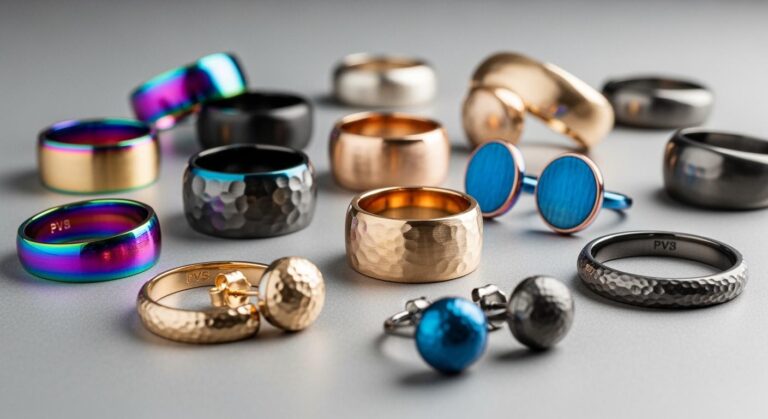
Stainless steel is also a popular base metal option. Feebee Jewelry’s stainless steel pendant and rings collection shows how durable and stylish this option can be, even before plating.
A Brief History of Electroplating Jewelry
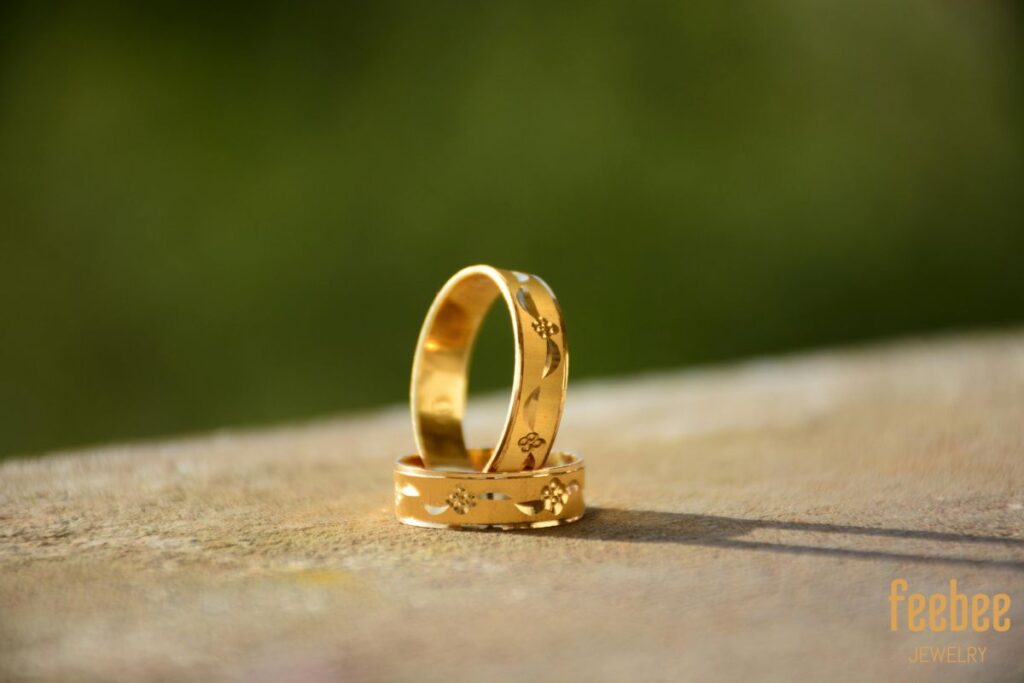
Electroplating traces back to the early 1800s when Italian chemist Luigi Brugnatelli successfully plated gold using electricity. The technique was first introduced in scientific equipment, but soon drew the attention of jewelers.
By the mid-19th century, the use of electroplating was very popular in Europe and America to offer the middle classes affordable jewelry. The process was improved with scientific discoveries over the decades and technology.
It is not only a cost-saving technique but nowadays is also a great design option: jewellers are now able to experiment with textures, colour, and durability, unlike with many solid metals.
The Reason Behind The Popularity of Electroplated Jewelry
Before exploring its advantages, it’s important to understand why electroplated jewelry has become so popular among both consumers and jewelers worldwide.
Affordability Meets Luxury
Customers can enjoy the brilliance of gold or rhodium without investing thousands.
Versatility in Design
Metals can be mixed, rose gold finishes can be tried, or even two-tone effects can be added without much trouble.
Durability and Protection
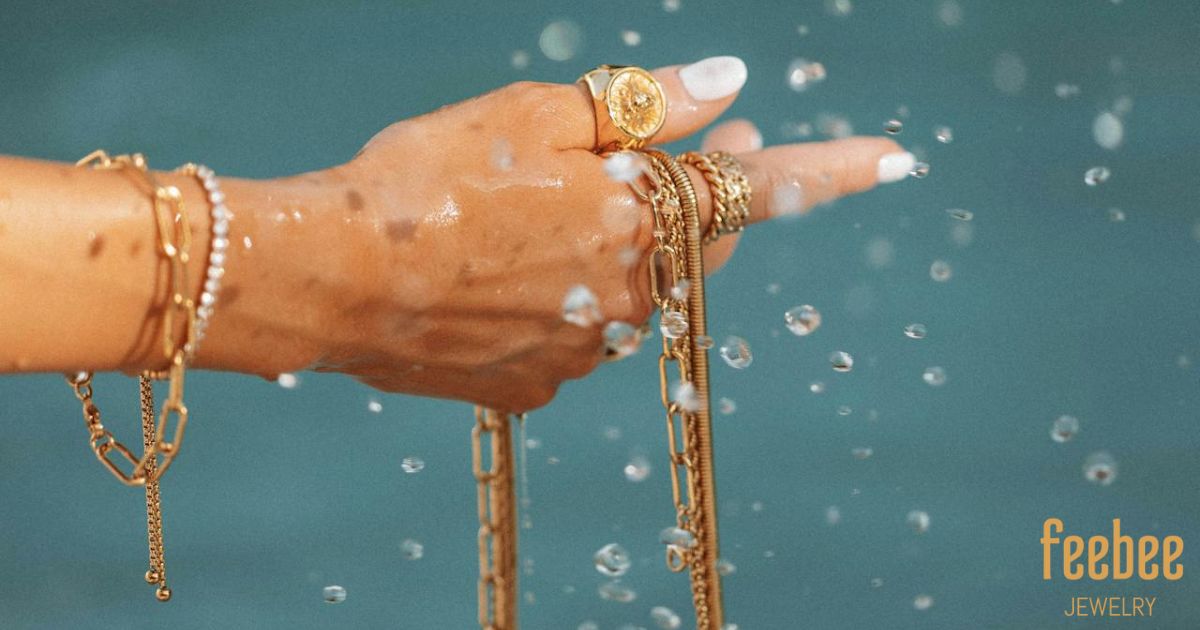
Electroplating ensures minimizes the chances of tarnishing, scratching, and corrosion of the jewelry, hence increasing it’s lifespan and value.
Types of Electroplated Jewelry
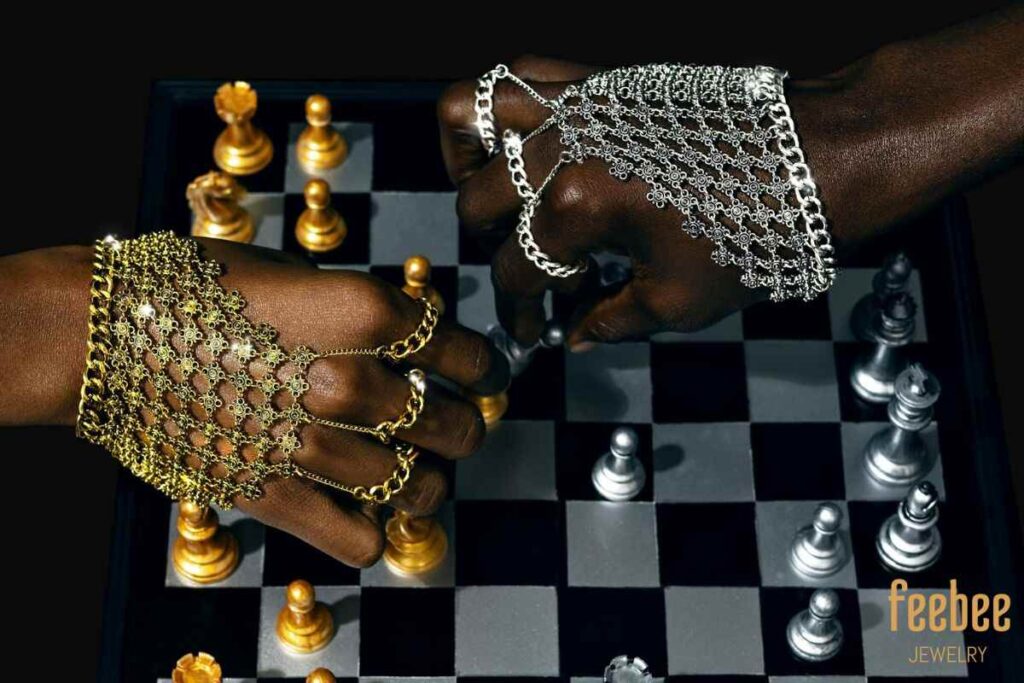
However, before determining the nature of electroplating, it is best to note that there is a comprehensive category of jewelry products that can undergo this type of process, and that each individual ornament that undergoes electroplating must be designed to match a particular flavor, financial capacity, and occasion.
People can add the newest accessories with jewelry electroplated and make luxury statement jewels out of it.
Gold Plating
The most common type of electroplating is gold plating. It makes jewelry appear like warm gold, it shines like real gold and is available in options such as yellow gold, white gold, and rose gold.
Rhodium Plating
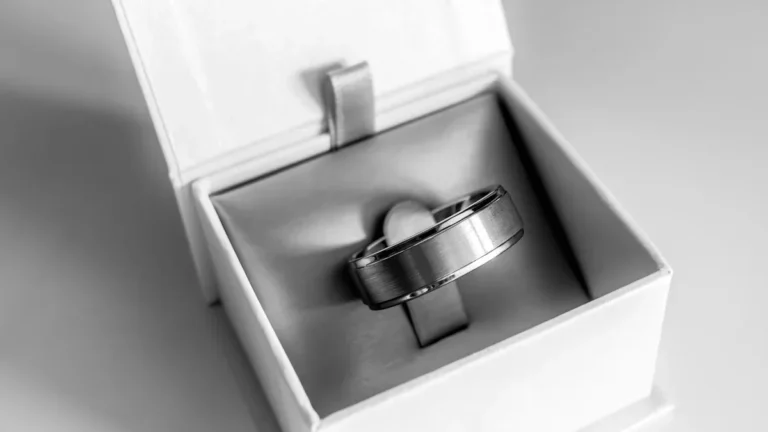
Rhodium plating is often used on white gold and silver, making surfaces lustrous and hard, and resistant to tarnish. The finish is common for engagement and wedding rings.
Silver Plating
This provides the base metals with the simplicity of sterling silver. It may also be tainted with time, but with the proper care, it remains brilliant.
Platinum Plating
Platinum plating provides a beautiful, scratch-resistant, and, on top of everything, a very fancy-looking finish. It deals in luxury watches and statement jewelry.
Two-Tone and Specialty Plating
Designers often combine different plating types to create bold, fashionable looks that appeal to modern customers.
The Step-by-Step Process of Electroplating Jewelry
To appreciate the craftsmanship, let’s walk through the steps in detail:
- Surface Cleaning – Removes impurities that prevent adhesion.
- Strike Layer Application – Nickel, copper, or palladium is used as a bonding layer.
- Electrolytic Bath – Jewelry is submerged in a solution containing the desired metal’s ions.
- Electrical Current Applied – The current pulls metal ions from the solution onto the jewelry’s surface.
- Layer Thickness Control – The time spent in the bath determines plating thickness.
- Rinsing and Drying – Any chemical residues are removed.
- Polishing – Final buffing enhances brilliance.
- Sealing (Optional) –This is an additional protective coating that is used to increase longevity.
Advantages of Electroplating Jewelry
- Affordable Luxury – Appear like solid gold without the cost.
- Sustainable Choice – Consumes less of the raw precious materials.
- Design Freedom –Ideal for exploring blended metals.
- Accessibility – Appeals to people with varied budgets.
- Customization – Jewelers are able to provide matte as well as two-toned finishes.
Challenges of Electroplating Jewelry
- Limited Lifespan – Plating can wear off with time and frequent wear.
- Allergy Issues – If the plated layer wears down, nickel or copper beneath may irritate sensitive skin.
- Maintenance Required – Needs more careful handling compared to solid metals.
- Re-plating Costs – While affordable, maintenance can add up over the years.
Electroplating Jewelry vs Solid Metal Jewelry
| Feature | Electroplated Jewelry | Solid Metal Jewelry |
| Price | Affordable | Expensive |
| Durability | Moderate | Very High |
| Appearance | Luxurious | Authentic |
| Maintenance | Needs care | Authentic |
| Weight | Lighter | Heavier |
Electroplating isn’t a replacement but rather an alternative for those who want beauty without the financial burden.
Longevity of Electroplated Jewelry
On average, electroplated jewelry lasts 1–3 years, but with thicker plating (often called “heavy gold plating”), it can last much longer. Longevity depends on:
- Plating thickness
- Frequency of wear
- Exposure to sweat, water, and chemicals
- Proper care and storage
Luxury brands often offer re-plating services to refresh older jewelry, giving it a new life.
Innovations in Electroplating Jewelry
Modern plating isn’t limited to gold and silver. Technology is introducing:
- Nanocoatings for extreme durability.
- Hypoallergenic finishes to prevent reactions.
- Sustainable electroplating solutions with reduced chemical waste.
- 3D-printed jewelry + plating for futuristic designs.
These innovations promise longer-lasting jewelry and broader creative possibilities.
Individualization and Custom Orders.
Jewelers have the option of providing individual finishes, combining rose-gold with rhodium, or producing matte-plated finishes.
Eco-Conscious Movement
Sustainable consumers are shifting their attitude toward the use of environmentally friendly forms of electroplated jewelry.
Common Mistakes in Buying Electroplated Jewelry
By being aware, buyers can make smarter choices. Some of the most common mistakes encountered by buyers include:
- Not Checking Thickness – Thicker plating lasts longer.
- Ignoring Base Metal – Nickel can cause allergies. If you are looking for options to buy custom stainless steel jewelry, free of nickel then you can contact us at Feebee Jewelry.
- Assuming it’s Permanent – Plating wears off eventually.
- Skipping Aftercare – Proper care is essential for longevity.
Tips for Sellers and Jewelers
- Clearly disclose plating type and thickness.
- Educate buyers on care instructions.
- Offer re-plating services for long-term customer relationships.
- Use ethical suppliers for precious metal sources.
- Highlight sustainability in marketing campaigns.
The Future of Electroplated Jewelry
With the current trend where sustainability and cost-effectiveness are the major concerns of consumers, electroplating is bound to expand. Its style, use of technology, and ecologically friendly manufacturing make it the ideal choice throughout future jewelry markets.
More hybrid designs by optimizing niche jewelry and increasing the 3D-printed component through electroplating can be expected.
FAQs
1-What are the three requirements during electroplating?
A low current is applied over an extended period of time, ensuring the metal deposits evenly onto the surface. To achieve successful electroplating, it is necessary to carefully choose both the electrode and the conductor. Electroplating should never be done on any surface other than a clean and polished one, as it won’t plate and gain a smooth and long-lasting finish.
2- What kind of metal do you tend to have electroplated into jewellery?
The most common metals electroplated are Zinc, Copper, Tin, Chromium, Gold, Nickel, Silver, and Palladium. All these metals are selected according to the kind of finish or use needed, like durability, corrosion, etc, and required use or ornamentation.
3- Is electroplated jewelry safe to wear?
Yes. Electroplated jewelry is perfect to wear on a daily basis- it also gives an extra layer of protection to the metal underneath from tarnish, corrosion, and scratches.
4- Is there electroplating of artificial jewelry?
Yes, absolutely. Electroplating is the most common technique used to replicate the appearance of expensive jewelry with simple and affordable means.
Dive into the World of Feebee Jewelry
Electroplating jewelry has transformed the industry by offering affordability, beauty, and durability in one package.
Whether it is the case of the wedding rings plated with gold or necklaces coated with rhodium, the technique nevertheless bridges the divide between the fashion world and high-quality jewelry.
At Feebee Jewelry, we’re here to make jewelry shopping an experience of a lifetime for you. If you have any questions, just send us a message, and we will be more than glad to break down our years of experience in jewelry in easier terms for you.

Perry Xu